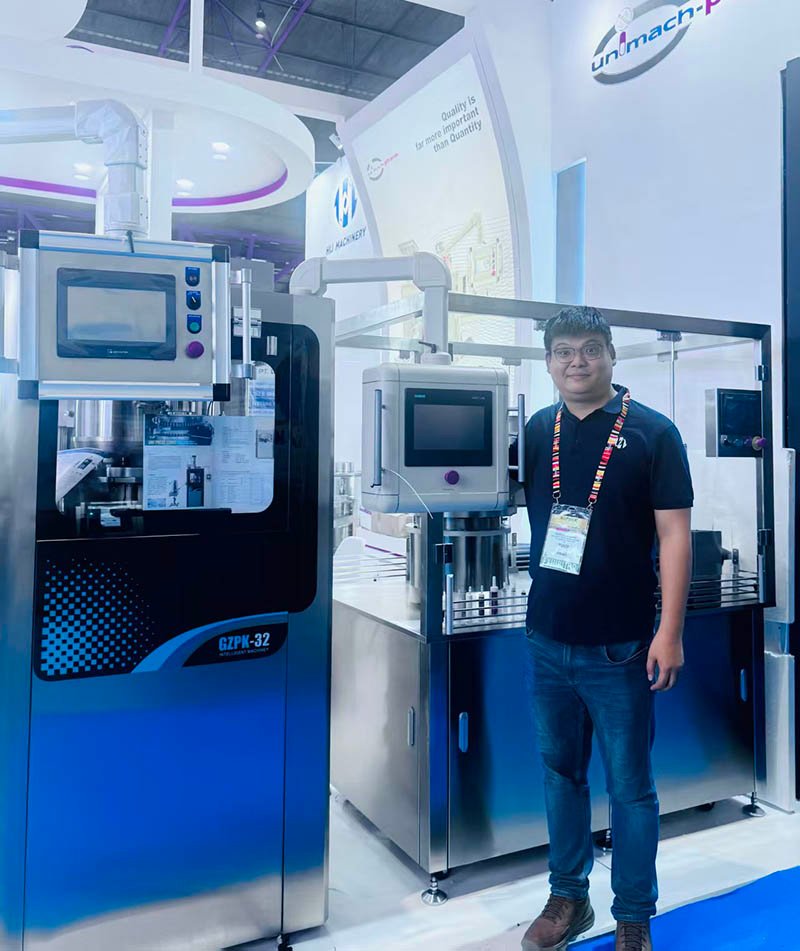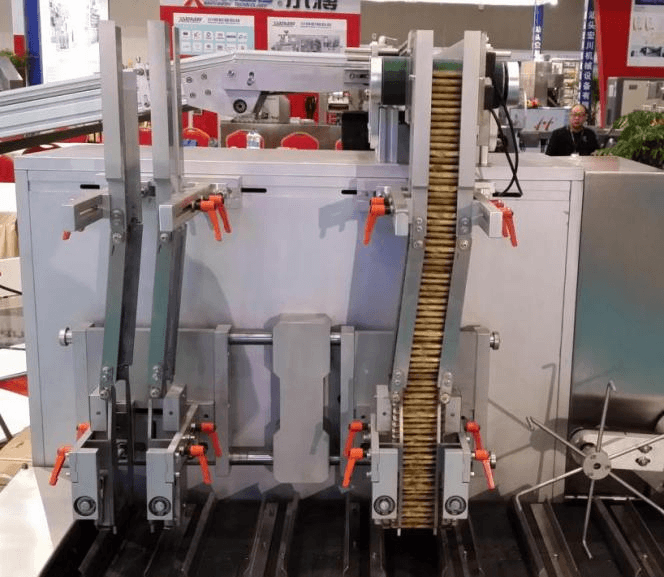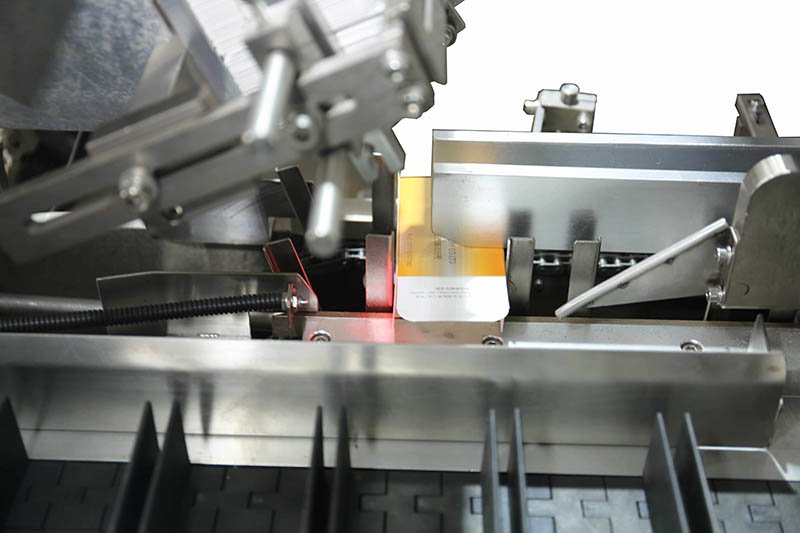
Capsule filling machine validation starts with a measurable User Requirements Specification (URS). DQ confirms the proposed design against that URS; IQ verifies the delivered installation and its records; OQ challenges functions across approved operating ranges; and PQ demonstrates consistent performance with your product, operators and procedures. The regulated manufacturer owns the qualification programme. The equipment supplier supports it with traceable specifications, certificates, drawings, FAT evidence and test-document inputs.
This consolidated guide is for pharmaceutical and nutraceutical teams preparing a capsule filler purchase, FAT or site qualification. It combines the useful checkpoints from HIJ’s former validation articles into one practical route from quotation to release. It is engineering guidance, not a substitute for your quality unit’s procedures or the requirements of the authority governing your site.
Start with the URS and a responsibility map
Qualification becomes slow when the machine is ordered before the acceptance criteria are written. Define the product, capsule sizes, sustained output, dosing expectations, utilities, cleaning approach, data functions, safety requirements and required documents before asking suppliers to quote. Phrase each requirement so it can be tested.
| Deliverable | Your quality and engineering team | Equipment supplier |
|---|---|---|
| URS | Owns, approves and controls the requirements | Reviews each point and states compliance, deviation or option |
| DQ | Approves the design against the URS | Provides specifications, drawings and functional descriptions |
| FAT | Approves the protocol and witnesses or reviews results | Provides the machine, test setup, evidence and deviation responses |
| IQ/OQ | Approves protocols, executes or controls execution, and accepts results | Provides certificates, manuals, diagrams and technical support |
| PQ | Defines and approves product-specific protocol and acceptance criteria | Provides operating guidance and support where contracted |
| Change control | Assesses impact and defines requalification scope | Supplies change details and updated technical records |
DQ, IQ, OQ and PQ for a capsule filling machine
Design Qualification
Trace every approved URS requirement to a design specification, drawing, option or documented deviation before the order is frozen. Confirm the proposed capsule range, dosing principle, cleanability, containment, utilities, controls, safety and documentation scope.
Installation Qualification
Verify machine identity, installed configuration, utilities, guards, contact-part records, instruments, drawings, software or control versions, manuals and calibration status. Match certificates to identifiable parts rather than filing an untraceable certificate bundle.
Operational Qualification
Challenge approved operating ranges and functional limits. Include speed setpoints, capsule separation, reject logic, alarms, interlocks, emergency stops, counters, recipe functions and recovery after controlled interruptions where applicable.
Performance Qualification
Demonstrate that the qualified equipment, operated by trained personnel under approved procedures, repeatedly produces your capsule product to its predetermined quality requirements. Product-specific sampling and acceptance criteria belong in your approved protocol.

Capsule-filler OQ tests generic templates often miss
Do not copy brochure values into an OQ protocol as universal acceptance criteria. Derive the required range and limits from the approved URS, risk assessment, supplier data and your intended process. The following test families help turn claims into evidence.
| Test family | Challenge | Evidence to retain |
|---|---|---|
| Operating range | Approved minimum, nominal and upper setpoints | Setpoints, actual observations, counts and deviations |
| Capsule handling | Orientation, separation, transfer, closing and discharge | Defined sample results and observed failure modes |
| Reject function | Known nonconforming or unseparated capsules | Challenge method, detection result and reject reconciliation |
| Alarms and interlocks | Guard, emergency stop and applicable utility or material alarms | Expected response, actual response and reset behaviour |
| Recipe and access | Authorised changes, limits, retrieval and user roles where available | Configuration records, access checks and change records |
| Changeover | Approved format parts, assembly checks and first-off verification | Part list, setup record and first-off inspection |
Use FAT to reduce site surprises, not replace qualification
A risk-based FAT can verify the ordered configuration, critical functions and agreed document package before shipment. Reuse suitable FAT evidence during later qualification only when your approved procedure permits it and you have justified that transport and installation did not invalidate the result. SAT then confirms the installed machine and identifies any changes before IQ/OQ proceeds.
Electronic records require a system-level decision
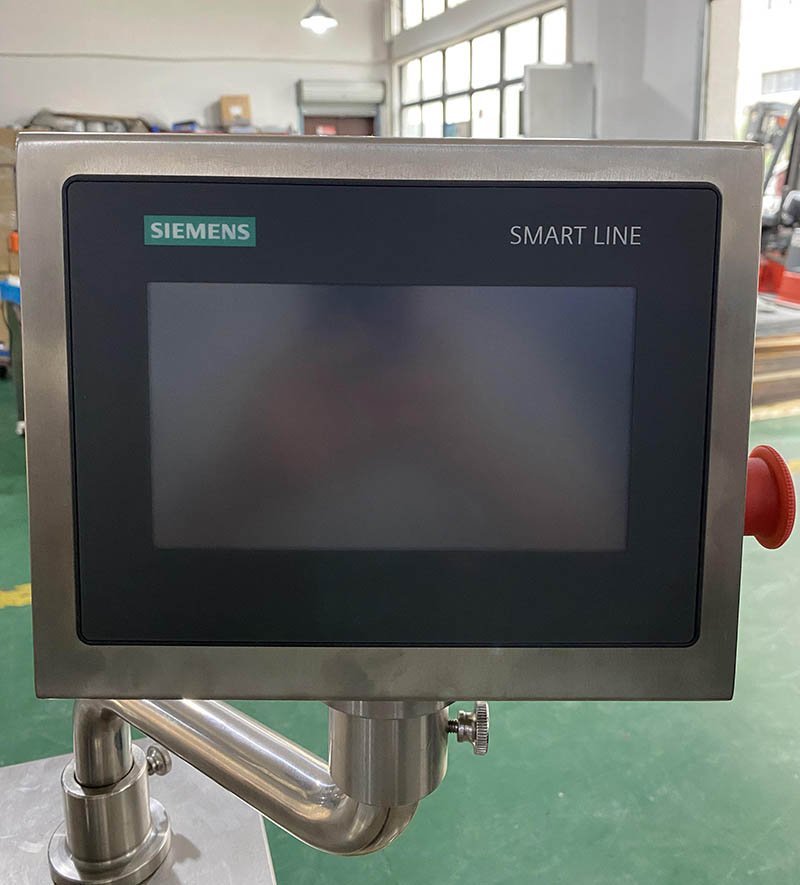
Do not label a capsule filler “21 CFR Part 11 compliant” based only on an HMI feature list. If electronic records required by FDA regulations are created, modified, maintained, archived, retrieved or transmitted, assess the complete record system and its intended use. Relevant controls may include system validation, authorised access, accurate copies, record protection, time-stamped audit trails, authority checks, procedures and training. Confirm what the machine actually records and what must be supplied by your site, historian, MES or quality procedures.
Put this document package into the RFQ
- URS compliance matrix with deviations
- Approved technical specification and configuration list
- General arrangement, electrical and pneumatic drawings
- Contact-part material records where required
- Instrument list and applicable calibration records
- Operation, cleaning and maintenance manuals
- FAT protocol, raw evidence, report and deviation log
- Recommended IQ/OQ document inputs and test data
- Software, firmware and control-component version list
- Format-parts, spare-parts and consumables lists
Ask suppliers to price exclusions and optional documentation separately. This makes quotations comparable and prevents a low machine price from shifting engineering work into your qualification schedule. For budget planning, use the automatic capsule filling machine price guide; for platform selection, compare the current capsule filling machine range.
Common validation gaps to close before delivery
- The URS was written after supplier selection and simply repeats brochure wording.
- Material or calibration records cannot be matched to the delivered component.
- The FAT checks normal operation but does not challenge rejects, alarms or interlocks.
- OQ acceptance criteria are copied from a generic template instead of the approved URS.
- Electronic-record requirements are assumed from the HMI name rather than mapped to the complete system.
- Changes to product, tooling, software, location or utilities are made without a documented impact assessment.
When selecting the equipment itself, review the automatic capsule filling machine and compact pharmaceutical capsule filling machine pages, then request a configuration-specific document index rather than assuming every model has the same controls.
Official references used for this guide
Frequently asked questions
What do DQ, IQ, OQ and PQ mean for a capsule filling machine?
DQ verifies the proposed design against the approved URS. IQ verifies the delivered machine, installation and supporting records. OQ challenges functions across approved operating ranges. PQ demonstrates consistent performance with the intended product, trained operators and approved procedures.
Who is responsible for capsule filling machine qualification?
The regulated manufacturer retains responsibility for its qualification programme, protocols, acceptance criteria, deviations and approvals. The equipment supplier can provide specifications, certificates, drawings, FAT evidence, document templates and engineering support under the buyer’s quality system.
Can FAT results be reused during IQ or OQ?
Suitable FAT evidence may be referenced when the approved qualification strategy permits it, the test was controlled and documented, and transport or installation has not invalidated the result. FAT does not automatically replace site IQ or OQ.
What documents should be requested with a capsule filler quotation?
Request a URS compliance matrix, technical specification, drawings, applicable material and calibration records, manuals, FAT documents, qualification-document inputs, control-version information, and format-parts and spare-parts lists. State which items are mandatory, optional or excluded.
Is a capsule filling machine automatically compliant with 21 CFR Part 11?
No. Part 11 applicability and compliance depend on the electronic records used under FDA requirements and the complete system of hardware, software, procedures and controls. Assess the delivered machine functions together with site-level access, record retention, audit-trail review, backup, change control and training.
Review the validation scope before the quotation is frozen
Send your capsule sizes, formulation type, sustained output, utilities, data requirements and draft URS. HIJ can respond with a configuration-specific compliance matrix, FAT scope and documentation index for your project.
Request a URS and documentation review