Production planning · Tube filling automation
Tube filling automation should be sized around accepted tubes per production window, not the machine's maximum cycle speed. Use a rate demonstrated with your product and tube, deduct the stopped time included in that window, then account for rejected packs.
The calculator below makes those assumptions visible. The TF-60 technical reference provides a 30–50/min operating-speed entry, but it does not establish the good output of every cream, gel or laminate tube. The default calculation is an example, not a production guarantee.
Calculate accepted tubes per shift
Enter the average rate while the line is producing, not an empty-machine cycle count. The scheduled window and stopped time must use the same boundaries. The acceptance percentage is accepted tubes divided by all tubes produced during that running time.
Accepted tubes = running rate × (scheduled minutes − stopped minutes) × acceptance percentage ÷ 100
Illustrative inputs: 40 tubes/min, 480 scheduled minutes, 60 stopped minutes and 98% acceptance give 16,464 accepted tubes. These are planning assumptions, not measured TF-60 results.
Use the formula and example above, or calculate with your own inputs.
- Running time after stops
- Estimated tubes produced before rejects
- Estimated accepted tubes
Results round down to whole tubes and are planning estimates only. If your input rate already includes stoppages or rejects, do not deduct those losses a second time. This is a quantity model, not a complete OEE calculation, machine qualification or confirmation that a proposed rate is achievable.
Read the TF-60 speed entry without turning it into a guarantee
The TF-60 reference package lists an operation-speed entry of 30–50/min, a 5–250 ml filling range, 13–50 mm tube diameter and 50–210 mm tube length. These are reference configuration entries, not proof that all combinations run at the same speed or that 30 tubes/min is a guaranteed minimum.
The same package describes aluminum-plastic composite and plastic composite tubes, automatic tube feeding, orientation, filling, batch-number marking and discharge. The intended tube, formulation, fill and seal must still be reviewed together. In particular, “laminated tube” is not a complete material specification.
For the actual quotation route, use the cosmetic tube filling and sealing machine page. For tube construction and sealing questions, the tube material and sealing technology guide covers the separate compatibility decision. This calculator does not approve a material or select a sealing recipe.
Find the limiting operation before adding automation
When comparing automated laminate tube packaging machines for a larger production requirement, ask which operation limits accepted output under the agreed conditions. A faster advertised cycle cannot by itself resolve a product-feed interruption, a seal-quality problem or a downstream handling stop.
| Boundary | What to establish | What to record in the trial |
|---|---|---|
| Empty-tube supply | Tube loading, orientation and replenishment responsibilities for the intended format. | Time stopped for supply, orientation faults and loading interventions. |
| Product supply and filling | The actual formulation, permitted condition, fill target and product-transfer arrangement. | Refill interruptions, accepted fill results and the rate demonstrated with the same product. |
| Sealing, marking and discharge | Tube construction, seal and code criteria, handling and rejected-pack separation. | Reject counts by reason, interventions and any related stopped time. |
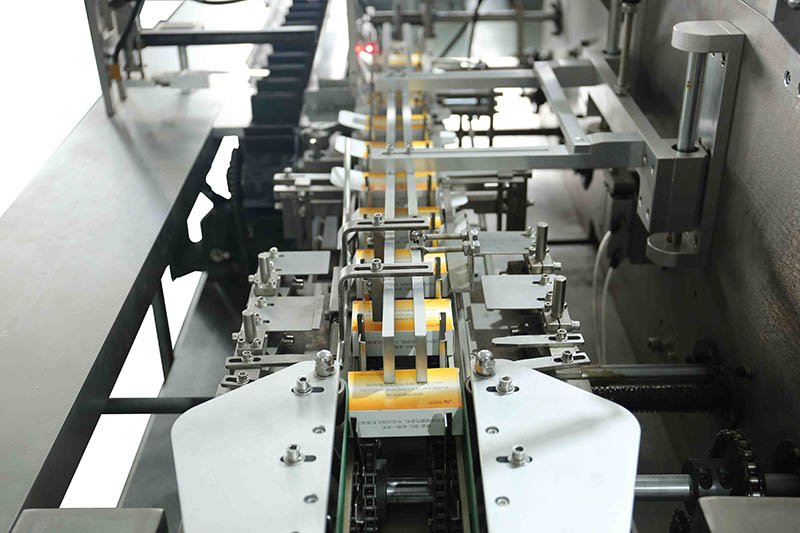
| Downstream packing | Transfer orientation, accumulation limits and the stop/restart responsibility at the interface. | Blocking, pack damage and recovery behavior with the downstream equipment included. |
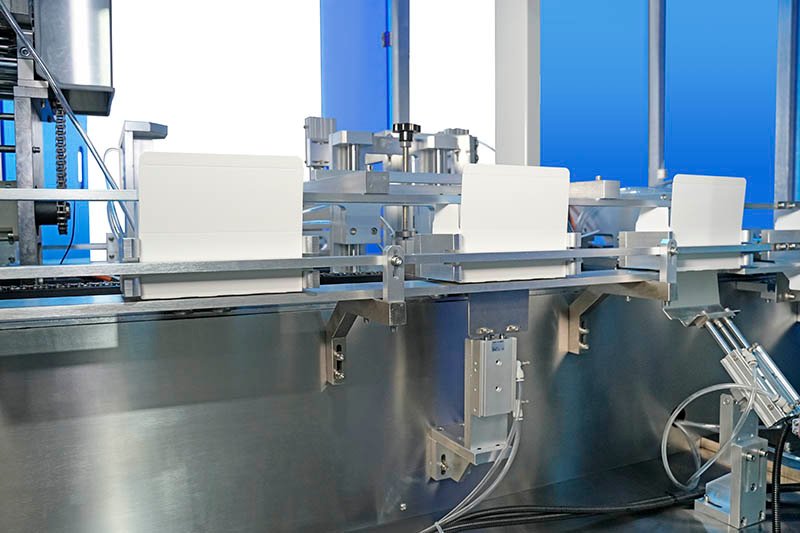
The TF-60 package lists product-feed and temperature/mixing-related options separately. Do not assume that those options, inspection devices, reject mechanisms, accumulation or a cartoner are included because the base machine is described as automatic. Define them in the proposed supply scope.
Keep the installation discussion separate from this capacity model. The tube filling layout and utilities guide covers working space and services; the proposed layout must support the loading, replenishment and discharge assumptions used in the production estimate.
Model SKU changes instead of applying one rate to the whole day
For several tube formats or formulations, estimate each production window with its own demonstrated rate and acceptance basis, then add the accepted quantities. Record initial setup and each applicable product or format change once. Do not assume that cleaning, tooling, artwork orientation and startup checks take the same time for every change.
A high-volume requirement can be one long campaign or many short runs. The same nominal machine rate does not make those schedules equivalent. For an untested product, use an explicitly provisional assumption until the relevant production trial replaces it with evidence.
Forester’s My Insight
A simple arithmetic check exposes what the machine-speed headline leaves out. At an illustrative 40 tubes/min for 480 minutes, the no-stop, no-reject quantity is 19,200 tubes. Deducting 60 stopped minutes leaves 16,800 produced tubes; accepting 98% leaves 16,464.
That is 2,736 fewer tubes, or 14.25% below that no-loss arithmetic baseline. The example is not a TF-60 performance test. My planning conclusion is to make the loss assumptions visible before comparing quotations, rather than interpreting a reference maximum as shift output.
Use the calculation to identify the gap to the required quantity, not to promise it can be recovered by raising speed. Review the demonstrated rate, actual time losses, accepted quality and included line scope together. If a proposed configuration cannot meet the requirement on that basis, establish a different production plan or equipment scope with the supplier.
Ask for a trial record that can replace the assumptions
Define the trial before comparing results. Use the intended formulation and tube, fill target, artwork and seal profile. Agree on the time window, staffing, product replenishment, setup/changeover boundaries, connected equipment and what makes a tube acceptable.
Request the elapsed and stopped times with reasons, the produced and accepted tube counts, rejected-pack categories and the configuration used. Make the counting points explicit: machine cycles, tubes discharged and accepted finished tubes are not interchangeable measures. Keep separate results for materially different SKUs.
Specify how fill, seal, marking and pack handling will be checked, who reviews the results and what must be repeated if the configuration changes. A short demonstration that excludes product replenishment or downstream interruptions should not be presented as a full-shift capability test.
For a quotation, provide the tube specification, formulation description, fill quantity, SKU and batch schedule, required accepted quantity, available production window and intended downstream route. Include your provisional calculation and the evidence still needed. The final configuration and acceptance commitments must be agreed for the actual project.
Tube filling capacity questions
How do I calculate tube filling machine capacity per shift?
Multiply a demonstrated average running rate in tubes per minute by the scheduled minutes minus stopped minutes, then multiply by the accepted-tube percentage divided by 100. Define the same time window for all inputs. Do not deduct stoppages or rejects twice if the chosen rate already includes them.
Does 50 tubes per minute mean 24,000 accepted tubes in eight hours?
No. That multiplication assumes 480 minutes at that rate without stops or rejects. A published reference speed does not establish sustained accepted output. Formulation, tube, fill, seal, replenishment, changeovers, inspection and downstream handling must be included in the agreed production test.
Can this calculator select the best high-volume laminate tube machine?
No. It makes quantity assumptions visible but cannot establish material compatibility, achievable rate, seal quality or a supplier ranking. Use the intended tube construction and formulation in a trial, then compare the demonstrated accepted output and complete equipment scope against your requirement.
Is automatic product feeding included with every automatic tube filler?
Do not assume so. The TF-60 reference package lists product-feed and some conditioning options separately. Confirm tube loading, product transfer, replenishment, inspection, reject handling and downstream interfaces in the actual quotation rather than inferring the whole line scope from the word automatic.
What should I do when I do not yet know the acceptance percentage?
Label it as an assumption and do not present the result as proven capacity. Define the acceptance criteria and obtain produced and accepted counts from a representative trial. Recalculate when that evidence is available, using the same configuration and time-window boundaries.
Compare the configuration with your required good output
Send the tube and formulation details, fill quantity, SKU schedule and required accepted tubes per production window. Include the calculation inputs so the equipment and trial scope can be reviewed together.
Discuss My Tube Filling CapacityReference and calculation basis
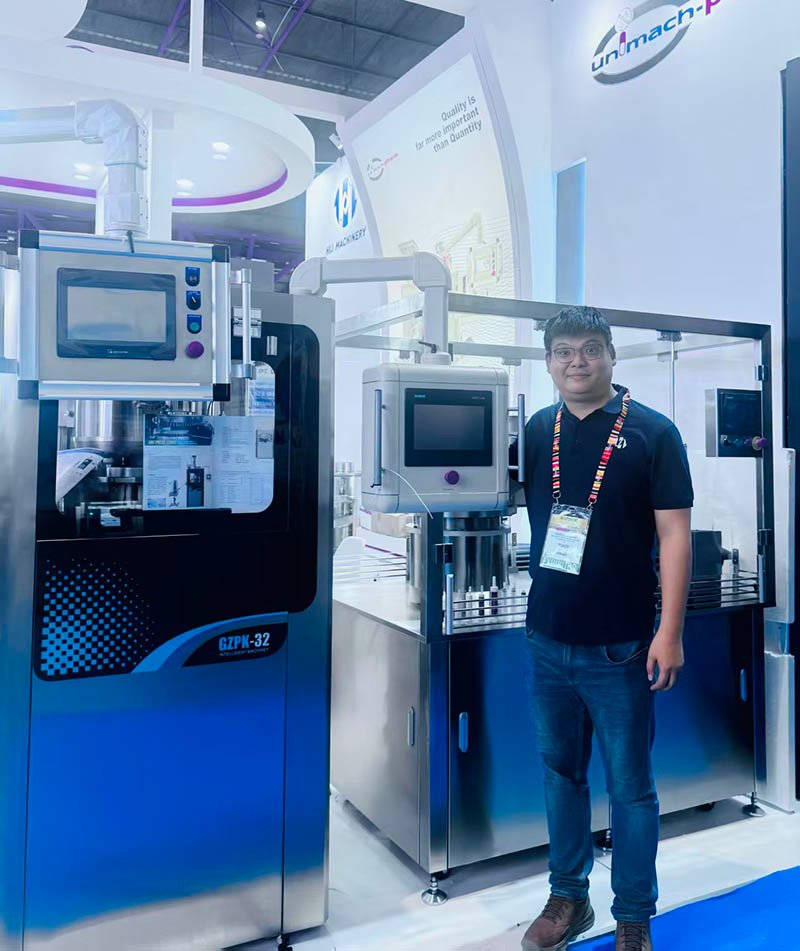
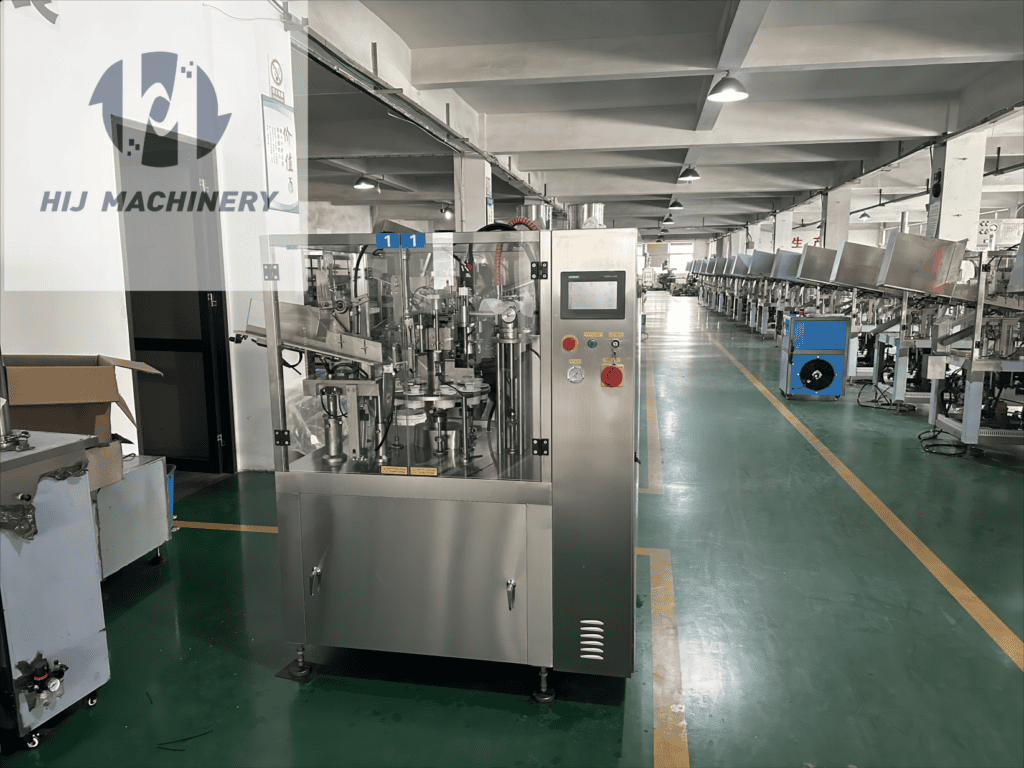
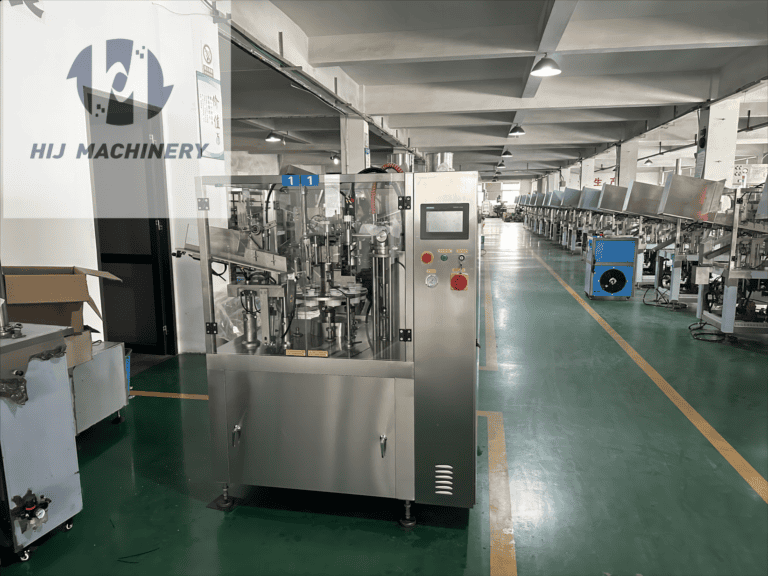
The TF-60 technical package supplies the reference speed, format entries, functions and separately listed options used here. Current availability and project commitments require configuration review. The workshop photograph identifies the referenced equipment. All calculator defaults and worked quantities are explicit planning examples, not recorded production results.
The calculation runs in your browser. Its inputs are not automatically added to the HIJ inquiry form; include any inputs you want reviewed in your enquiry yourself.