Alu Alu Blister Packing Machine: The Ultimate Guide for Sensitive Drugs
8 min read | By Forester Xiang, Industry Expert with 20 Years Experience
What is an Alu Alu Blister Packing Machine and Why Do Sensitive Drugs Need It?
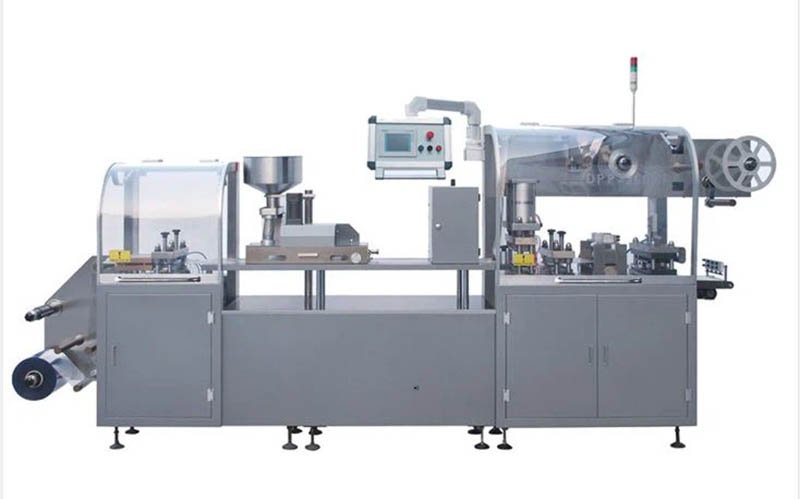
An Alu Alu blister packing machine is a specialized pharmaceutical packaging system that uses cold-forming technology to create blister packs entirely from aluminum foil. Unlike conventional PVC blister packs, Alu Alu packaging provides an impermeable barrier against moisture, oxygen, and light—the three primary enemies of sensitive pharmaceutical compounds. For drugs like hygroscopic antibiotics, probiotics, effervescent tablets, and biologics, this isn’t just better protection; it’s often the only viable packaging solution that ensures the drug you spent years developing reaches patients with full potency, especially in challenging climates like Southeast Asia, Latin America, or the Middle East where humidity and temperature extremes are common.

1. Understanding the Critical Need for Alu Alu Technology
After two decades in the pharmaceutical packaging industry, I’ve witnessed countless situations where the choice of packaging technology determined not just product success, but the very survival of a drug in the market. Let me be direct: for sensitive, high-value pharmaceuticals, Alu Alu blister packing isn’t a luxury—it’s a necessity that protects your most valuable asset: product efficacy.
The pharmaceutical industry faces a harsh reality. Your drug may have passed every clinical trial, received regulatory approval, and shown remarkable efficacy in controlled environments. But the moment it leaves your facility, it enters a hostile world of fluctuating humidity, temperature variations, and oxidative stress. Traditional PVC/PVC or PVC/PVDC blister packaging offers only basic protection—adequate for stable compounds, but woefully insufficient for sensitive molecules.
“I’ve seen companies invest millions in drug development only to face stability failures in tropical markets because they chose standard blister packaging. The cost of Alu Alu is insignificant compared to the cost of a failed product launch or a market recall.” – Forester Xiang, Founder of HIJ Machinery
The Three Enemies of Drug Stability
Understanding why Alu Alu technology is essential requires recognizing the primary degradation mechanisms that compromise pharmaceutical products:
- Moisture Ingress: Even minimal moisture absorption can trigger hydrolytic degradation in antibiotics, vitamins, and many APIs. In high-humidity regions (60-90% RH), traditional packaging fails within months.
- Oxygen Exposure: Oxidative degradation affects countless active ingredients, from vitamins to biologics. Oxygen permeability in conventional materials accelerates potency loss.
- Light Penetration: Photosensitive compounds degrade under UV and visible light exposure. Clear PVC offers zero light protection; PVDC offers only partial protection.
Alu Alu cold-formed blister packs address all three simultaneously, creating what’s effectively a miniature vault for each dose. This isn’t marketing hyperbole—it’s measurable barrier performance that extends shelf life and maintains efficacy across diverse storage conditions.
2. How Alu Alu Cold-Forming Technology Works
The genius of Alu Alu technology lies in its manufacturing process, which fundamentally differs from conventional thermoforming. Where traditional blister packing machines use heat to shape plastic materials, Alu Alu machines employ a sophisticated cold-forming technique that preserves aluminum’s inherent barrier properties.
The Cold-Forming Process Step-by-Step
- Material Feed: A roll of specially formulated aluminum foil (typically 250-350 microns thick) enters the machine. This isn’t ordinary aluminum—it’s engineered with specific alloy compositions and temper treatments for optimal formability without compromising barrier integrity.
- Cold-Forming Station: Precision mechanical force (not heat) shapes the aluminum into blister cavities. This is achieved through a sophisticated punch-and-die system that applies controlled pressure to deform the material. The critical challenge here is achieving uniform cavity depth without creating micro-fissures that would compromise the barrier.
- Product Loading: Tablets, capsules, or other dosage forms are loaded into the formed cavities. Advanced machines integrate vision systems to verify correct product placement and detect any damaged units.
- Lidding and Sealing: A second aluminum foil layer (the lidding foil) is heat-sealed over the formed base. This creates a hermetic seal around each cavity. The seal integrity is paramount—even microscopic imperfections can allow moisture or oxygen ingress.
- Die-Cutting: The continuous strip is cut into individual blister cards or strips according to required format.
What makes modern Alu Alu blister packing machines from HIJ exceptional is the precision at every stage. Our machines feature servo-driven forming mechanisms that ensure consistent cavity formation, advanced temperature control systems for perfect seal integrity, and real-time quality monitoring that detects and rejects any compromised units.
Material Science: Why Aluminum Creates the Ultimate Barrier
Aluminum’s protective superiority isn’t just about thickness—it’s about molecular structure. Unlike polymers which have inherent permeability, aluminum’s crystalline metallic structure creates an absolute barrier when properly formed and sealed. The water vapor transmission rate (WVTR) of Alu Alu packs can be as low as 0.001 g/m²/24h, compared to 0.5-2.0 g/m²/24h for PVC/PVDC—a difference of three orders of magnitude.
3. When Your Product Absolutely Needs Alu Alu Protection
Not every pharmaceutical product requires Alu Alu packaging, but certain categories demand it. Based on my experience working with hundreds of pharmaceutical manufacturers globally, here are the scenarios where Alu Alu technology becomes non-negotiable:
Moisture-Sensitive Compounds (Critical Priority)
- Hygroscopic Antibiotics: Azithromycin, Amoxicillin/Clavulanate, and many β-lactams absorb atmospheric moisture rapidly, leading to degradation and reduced efficacy. In tropical climates, shelf life in standard packaging can be 30-50% shorter than stated.
- Effervescent Products: Any product containing citric acid and carbonates is essentially a ticking time bomb in humid conditions. Moisture triggers the effervescent reaction prematurely, rendering the product unusable.
- Lyophilized Formulations: Freeze-dried products are inherently porous and hygroscopic. Rehydration from atmospheric moisture compromises stability and can promote microbial growth.
Oxygen-Sensitive Formulations
- Vitamins and Nutraceuticals: Vitamin C, omega-3 fatty acids, probiotics—these degrade rapidly when exposed to oxygen. Alu Alu packaging extends shelf life by 2-3x compared to conventional packaging.
- Certain Hormones and Biologics: Peptide-based drugs and some hormonal preparations are particularly vulnerable to oxidative degradation.
Market and Climate Considerations
Geography plays a massive role. If you’re targeting markets in Southeast Asia, the Middle East, Latin America, or Sub-Saharan Africa, you’re dealing with consistently high humidity (often 70-90% RH) and elevated temperatures. I’ve seen companies lose entire market opportunities because their product, perfectly stable in European climates, degraded within six months in tropical conditions.
A European pharmaceutical client once asked me if they really needed Alu Alu for their antibiotic combination targeting the Indian market. Six months after launch with standard PVC packaging, they faced stability complaints and had to reformulate their entire packaging strategy. The cost of that market failure—in both money and reputation—dwarfed the incremental Alu Alu packaging investment they had initially avoided.

4. Selecting the Right Alu Alu Blister Packing Machine
This is where many companies make critical mistakes. They focus on machine price and output speed while overlooking the factors that truly determine long-term success. Let me share what matters based on real-world experience:
Beyond Speed: What Really Matters
Cold-Forming Precision
The quality of cavity formation is paramount. Poorly formed cavities create stress points in the aluminum, leading to microscopic fissures that compromise barrier integrity. Look for machines with:
- Servo-driven forming mechanisms (not cam-driven—servos provide superior force control)
- Real-time pressure monitoring and adjustment
- Tool steel forming tools with hardness ratings above HRC 58
- Quick-change tooling systems that maintain precision alignment
Seal Integrity Systems
The hermetic seal is your product’s final line of defense. HIJ machines integrate multiple validation layers:
- Temperature Control: PID-controlled heating elements maintain ±2°C consistency across the entire sealing zone
- Pressure Distribution: Precision-machined sealing plates ensure uniform pressure across all seal points
- Seal Testing: Inline leak detection systems (optional but highly recommended) identify compromised seals before product leaves the machine
Material Handling Flexibility
Different formulations require different aluminum specifications. Your machine must accommodate:
- Various foil thicknesses (250-350 microns for base, 20-60 microns for lidding)
- Different alloy compositions
- Varying cavity depths and configurations
Technical Partnership Over Transactional Purchase
Here’s where my 20 years of experience becomes most relevant. The machine supplier you choose should function as a technical partner, not just an equipment vendor. At HIJ, we approach every project by first understanding:
- Your Product’s Chemistry: What’s the primary degradation mechanism? What are the critical moisture or oxygen levels that trigger instability?
- Your Target Markets: What are the actual storage conditions your product will face? What are the regulatory requirements?
- Your Operational Reality: What’s your production volume? Do you have frequent changeovers? What’s your technical team’s capabilities?
This comprehensive understanding allows us to configure machines specifically for your needs, not just sell you a standard model. Our turnkey packaging solutions often integrate Alu Alu blister packers with upstream and downstream equipment, ensuring seamless operation across your entire production line.
5. The Economics: Investment vs. Product Loss Risk
Let’s address the elephant in the room: yes, Alu Alu packaging costs more than standard PVC. Both the machine investment and the per-unit material cost are higher. But this is where financial analysis must extend beyond simple unit economics to consider total risk-adjusted value.
True Cost Calculation Framework
When evaluating Alu Alu investment, consider these factors:
- Development Costs Protected: For a typical drug development program costing $50-100 million, protecting product integrity represents insurance on that entire investment. A single stability failure or recall can erase years of work.
- Market Access: Many regulatory authorities in tropical countries now require barrier packaging for moisture-sensitive products. Alu Alu can be the difference between market access and market exclusion.
- Shelf Life Extension: Longer shelf life means reduced inventory write-offs, better distribution flexibility, and stronger market positioning. For high-value drugs, extending shelf life from 18 to 36 months can double effective market reach.
- Brand Protection: In pharmaceutical business, reputation is everything. Product failures due to inadequate packaging don’t just affect current sales—they permanently damage brand perception and physician trust.
Real-World ROI Example
Consider a mid-sized pharmaceutical manufacturer producing a hygroscopic antibiotic combination targeting Asian markets:
- Annual production: 20 million units
- Drug development cost: $80 million
- Additional Alu Alu machine investment over standard blister: $150,000
- Incremental packaging cost per unit: $0.08
Without Alu Alu packaging, they faced 15% field failures in first year due to moisture degradation. Total impact: $12 million in returned goods, market reputation damage, and regulatory scrutiny. The $150,000 machine investment and $1.6 million annual packaging premium suddenly looks like the best investment they never questioned.
6. HIJ’s Approach to Alu Alu Machine Excellence
At HIJ, we’ve built our reputation on understanding that Alu Alu machines aren’t just about mechanical engineering—they’re about protecting pharmaceutical integrity. Our unique value proposition stems from three pillars:
European Standards, Smart Economics
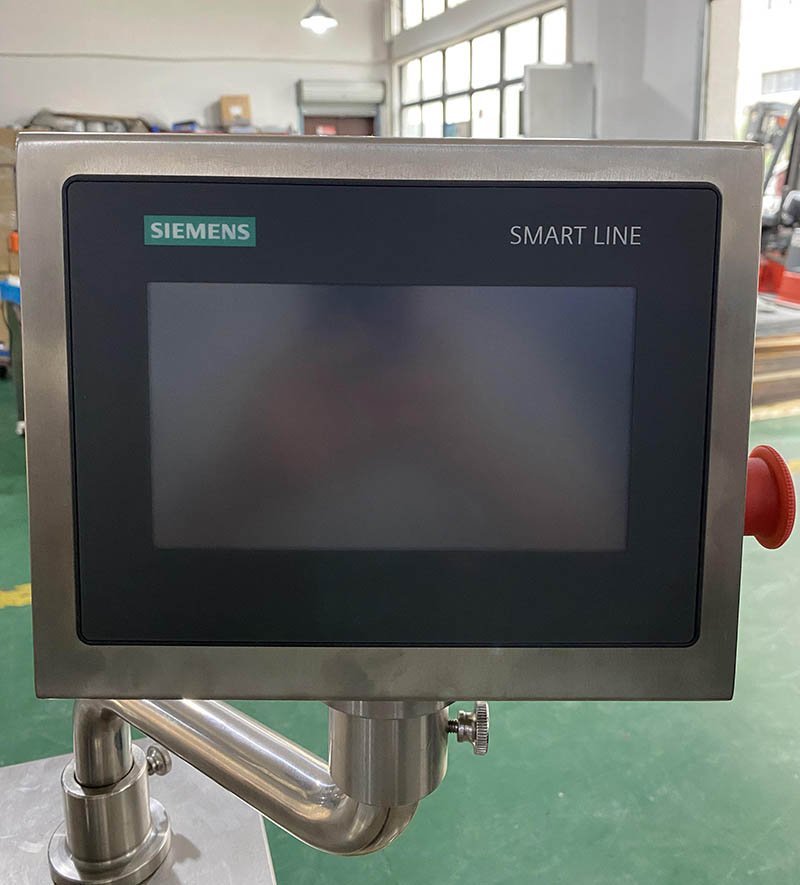
We design and manufacture to European quality benchmarks while leveraging efficient supply chain management. This means you get machines with Siemens PLCs, Festo pneumatics, and precision German forming tools—at prices that don’t require CFO approval gymnastics. Every critical component comes from trusted global suppliers, ensuring reliability and ease of maintenance.
Compliance as Standard, Not Optional
Our Alu Alu machines are engineered from day one for regulatory compliance. We provide comprehensive documentation packages supporting validation for WHO GMP, cGMP, 21 CFR Part 11, and EU GMP. Our machines feature complete traceability, electronic batch records, and qualification protocols. This isn’t something we add later—it’s how we design from the first blueprint.
Technical Partnership Model
When you work with HIJ, you’re not purchasing equipment—you’re gaining a technical partner. Our team includes pharmaceutical engineers who understand drug chemistry, regulatory specialists familiar with global requirements, and process engineers with decades of packaging optimization experience. We become an extension of your technical team, providing:
- Product-specific packaging feasibility studies
- Material selection guidance
- Process validation support
- Regulatory documentation assistance
- Ongoing technical consultation
Our global service network ensures rapid response wherever you operate. We maintain strategic parts inventories, offer remote diagnostic capabilities, and provide on-site support when needed. Your production uptime directly impacts our reputation—we take that seriously.
Protect Your Pharmaceutical Investment with the Right Alu Alu Solution
Don’t let inadequate packaging compromise years of drug development investment. Our team of experts will help you evaluate if Alu Alu technology is right for your product and design a solution that ensures your drug reaches patients with full efficacy—regardless of climate challenges.
Get Free Alu Alu Feasibility AssessmentBacked by 20 years of pharmaceutical packaging expertise • Response within 24 hours
7. Frequently Asked Questions About Alu Alu Blister Packing
What makes Alu Alu blister packing different from regular PVC blister packing?
Alu Alu uses cold-forming technology to shape aluminum into blister cavities, creating a complete barrier against moisture, light, and oxygen. Unlike thermoformed PVC which offers minimal protection (WVTR typically 0.5-2.0 g/m²/24h), Alu Alu provides pharmaceutical-grade protection with WVTR as low as 0.001 g/m²/24h. This three-order-of-magnitude difference in barrier performance is essential for sensitive drugs like antibiotics, probiotics, and effervescent tablets that would degrade in standard packaging.
Is the higher cost of Alu Alu packaging justified for all pharmaceutical products?
Not for all products, but definitely for moisture-sensitive, high-value drugs. The cost of Alu Alu is an investment in product integrity. A single failed stability test or product recall far exceeds the incremental packaging cost. For drugs targeting high-humidity markets (Southeast Asia, Middle East, Latin America) or requiring extended shelf life, it’s essential insurance. As I’ve told clients: you can’t put a price on protecting an $80 million drug development investment, but you can certainly calculate the cost of not protecting it.
What should I look for when selecting an Alu Alu blister packing machine?
Beyond speed and price, focus on: (1) Precision of cold-forming—servo-driven systems prevent micro-fissures that compromise barriers; (2) Seal integrity capabilities—look for PID temperature control and inline leak detection; (3) Flexibility for different foil types and product shapes; (4) Most importantly, a supplier who understands your product’s chemistry and your market’s compliance requirements. The machine supplier should be your technical partner, not just an equipment vendor. At HIJ, we start every engagement by understanding your drug’s degradation mechanisms and target market conditions.
How does HIJ ensure the quality of Alu Alu blister packing machines?
HIJ manufactures to European quality standards while leveraging efficient Chinese supply chains for cost optimization. Our machines feature: (1) Premium global components (Siemens PLCs, Festo pneumatics, precision German tooling); (2) Servo-driven forming mechanisms with real-time force monitoring; (3) Advanced seal integrity systems with ±2°C temperature consistency; (4) Full compliance documentation for WHO GMP, cGMP, and 21 CFR Part 11. Most importantly, with 20 years of industry experience, we don’t just supply equipment—we become your technical partner in protecting product quality. Our team includes pharmaceutical engineers who understand drug chemistry and regulatory requirements.
Can Alu Alu machines handle different product sizes and shapes?
Modern Alu Alu machines like HIJ’s DPH series offer excellent flexibility through quick-change tooling systems. We can accommodate tablets, capsules, and even some irregularly shaped products. Cavity depths can range from 2mm to 15mm depending on your needs. The key is working with a supplier who understands your specific requirements and can configure tooling accordingly. We typically provide multiple format sets with each machine to enable efficient changeovers between different SKUs.
What kind of maintenance do Alu Alu machines require?
Alu Alu machines require regular but straightforward maintenance. Key areas include: (1) Forming tool inspection and occasional replacement as they wear; (2) Sealing element maintenance to ensure consistent temperature distribution; (3) Regular cleaning of material paths; (4) Pneumatic system checks. With proper preventive maintenance, HIJ machines typically achieve 95%+ uptime. We provide comprehensive maintenance schedules and training, plus our global service network offers rapid parts delivery and remote diagnostic support to minimize any downtime.
About the Author
Forester Xiang is the founder of HIJ Machinery and brings over 20 years of hands-on experience in pharmaceutical and packaging equipment. Having worked with hundreds of clients globally—from emerging biotech companies to established pharmaceutical manufacturers—Forester has developed deep expertise in understanding how packaging technology impacts drug stability and market success.
His practical approach combines technical engineering knowledge with real-world understanding of regulatory requirements, market conditions, and operational realities. At HIJ, Forester has built a culture that prioritizes technical partnership over transactional sales, ensuring every client receives solutions genuinely optimized for their specific needs.
Related Resources
Ready to ensure your sensitive pharmaceuticals reach patients with full efficacy? Let’s discuss your specific product protection requirements.
Schedule a Technical Consultation