Most case packing machine faults trace to three stations: erecting (misfeeds and collapsed corners — usually humid or warped board, worn vacuum cups, or magazine misadjustment), loading (pattern misplacement — usually infeed timing or worn end-of-arm tooling), and sealing (tape lift or weak glue bonds — usually surface contamination, dull blades, or melter temperature drift). Work the diagnosis in that order: board and consumables first, adjustments second, worn parts third — machine faults are rarer than material and settings faults.
Key Takeaways
- Diagnose in order: material (board, tape, glue) → settings (vacuum, timing, temperature) → wear parts (cups, blades, nozzles) → mechanical faults. The cheapest cause is usually the real one.
- Erecting misfeeds are the #1 fault family, and board storage (humidity, flatness) causes more of them than the machine does.
- Sealing failures split cleanly: tape problems are surface and blade problems; hot-melt problems are temperature and nozzle problems.
- A 10-minute daily routine — cups, blades, sensors, air pressure — prevents the majority of unplanned stops.
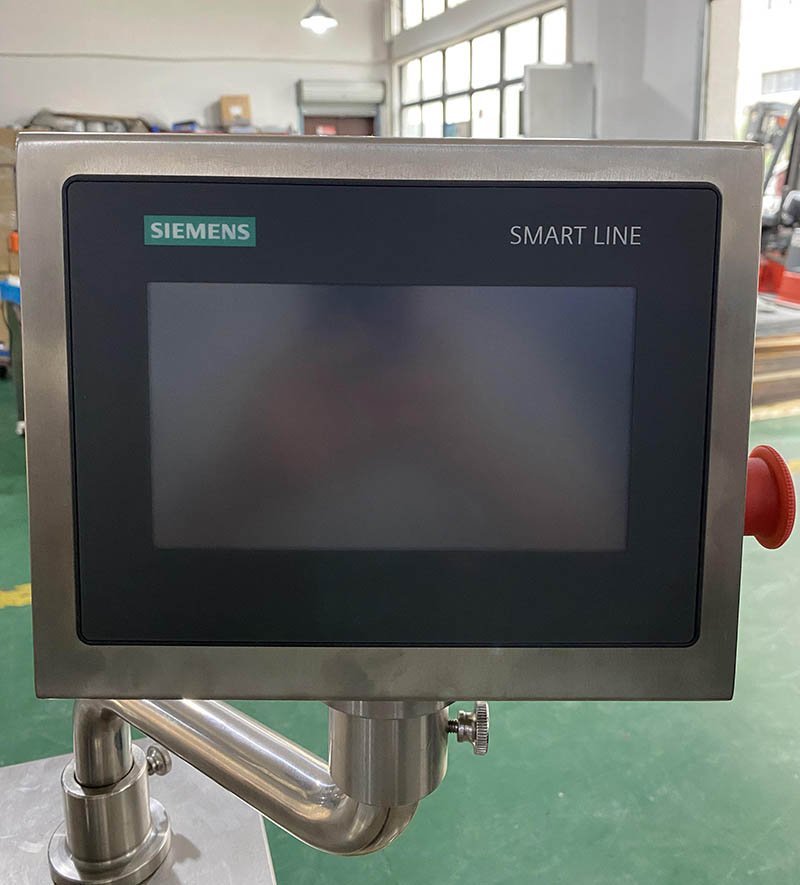
- Photograph the fault and the HMI alarm before clearing it; remote video support resolves most issues fastest when the evidence survives.
A case packer that ran perfectly at the FAT and now stops every twenty minutes has not usually broken — something around it changed: a new board supplier, a humid week, a worn cup nobody logged. Effective troubleshooting is mostly about checking the cheap, changeable things before blaming the machine.
This guide covers the faults we see most across the fleet, organized by station, with the diagnosis order that finds the real cause fastest. It applies to standalone equipment and integrated machines like the HIJ-PMG600 all-in-one case packing machine alike; for how the stations interact, see how a case packing machine works.
Erecting Station Faults: Misfeeds & Collapsed Corners
Symptom: blanks not separating, double-feeding, or opening into a parallelogram
Check the board first. Corrugated blanks stored in humid areas absorb moisture, warp, and stick together; blanks from a new supplier may have different scoring depth or surface finish. Sample blanks from mid-stack, check flatness on a table, and compare score lines against the old batch. Board causes more erecting faults than every machine component combined.
Then vacuum. Worn or glazed suction cups lose grip on dusty or coated liners — inspect for cracks and hardening, wipe dust film off cup faces, and verify vacuum pressure at the gauge against the manual’s setpoint. A clogged inline vacuum filter mimics worn cups.
Then the magazine. Side guides too tight cause drag and skew; too loose lets blanks fan. Reset guides to the blank width per the manual after every size changeover — changeover shortcuts are the classic Monday-morning misfeed.
Design note: vacuum-only erectors are inherently sensitive to springy, humid, or recycled board. Machines with mechanical stabilization — like the swing-arm fixing system on the HIJ-PMG600 — clamp the case square during opening and tolerate board variation that defeats vacuum-only designs. If collapsed corners are chronic across seasons, the fix is architectural, not adjustive.
Loading Station Faults: Misplaced Patterns & Arm Stops
Symptom: products placed off-pattern, dropped picks, or arms faulting mid-cycle
Check the infeed first. Robotic loading depends on products arriving at the pick point in consistent position and timing. Upstream conveyor speed drift, product size variation from a new batch, or a slipped guide rail shifts the pick position — watch ten cycles at the pick point before touching the robot.
Then end-of-arm tooling. Worn gripper pads and cracked vacuum cups on the EOAT cause intermittent dropped picks that look random but correlate with the worn corner. Inspect and replace as a set.
Then air supply. Pick-and-place systems fault when air pressure sags below setpoint (0.6 MPa on the HIJ-PMG600) during simultaneous actuations. Verify pressure at the machine inlet under load, not at the compressor.
Buffer station note: if loading is correct but throughput dropped, check whether the buffer station is cycling — a disabled or faulted buffer silently halves effective output because the arms wait on the sealer.
Pad & Flap Faults: Skewed Pads, Misfolded Flaps
Skewed or missing pads usually trace to the pad magazine (same humidity and guide rules as blanks) or worn pad-robot cups. Misfolded flaps trace to case squareness — a parallelogram case from a marginal erecting cycle folds badly two stations later, so chronic flap faults are often erecting faults wearing a disguise. Verify case squareness at the erector exit before adjusting the folders.
Sealing Faults: Tape Lift & Weak Glue Bonds
Tape: not sticking, tails lifting, ragged cuts
Tape adhesion fails on dusty, damp, or fiber-shedding board surfaces — wipe a sample flap and test by hand before blaming the machine. Ragged cuts and tails mean a dull or gummed blade: clean with solvent, replace on schedule. Check roll brake tension and wiper roller pressure per the manual; cold warehouses also stiffen adhesive — store tape warm. For the deeper tape-versus-glue tradeoffs, see our tape vs hot-melt case sealing comparison.
Hot-melt: weak bonds, stringing, missing beads
Weak bonds are temperature first: verify melter and hose temperatures against the glue supplier’s datasheet — drift of even 10–15°C changes bonding dramatically. Stringing means temperature too high or nozzle wear; missing beads mean a clogged nozzle or empty-tank air ingestion. Keep the tank topped between one-third and full, and filter pellets of dust before loading. Compression time matters too: cases released before the glue sets under the compression section will pop open downstream.
Quick-Reference Troubleshooting Table
| Symptom | Most Likely Cause | First Fix |
|---|---|---|
| Blanks double-feeding | Humid/stuck board; magazine guides tight | Fresh dry blanks; reset guides to blank width |
| Case opens skewed (parallelogram) | Springy/recycled board on vacuum-only opening | Verify board grade; check cups; mechanical stabilization if chronic |
| Random dropped picks | Worn EOAT cups/pads; pick-point drift | Replace cups as a set; watch 10 infeed cycles |
| Arms wait, output halved | Buffer station disabled/faulted | Restore buffer cycling |
| Pads skewed or missing | Pad magazine guides; worn pad-robot cups | Reset guides; inspect cups |
| Flaps misfolding | Case not square from erector | Fix erecting squareness first, folders second |
| Tape lifting at tails | Dusty/damp flap surface; dull blade | Wipe-test surface; clean/replace blade |
| Glue bond weak | Melter/hose temperature drift | Verify temps against glue datasheet |
| Glue stringing | Temp too high; worn nozzle | Reduce temp per datasheet; replace nozzle |
| Faults after size changeover | Skipped guide/format resets | Re-run changeover checklist end to end |
Preventive Maintenance: The 10-Minute Daily Routine
| Frequency | Tasks |
|---|---|
| Daily (10 min) | Wipe vacuum cups; check air pressure at machine inlet; visual on tape blade or glue nozzles; clear dust from sensors; confirm board stored flat and dry |
| Weekly | Inspect EOAT pads/cups for wear; clean vacuum filters; verify magazine guide settings; test tape roll brake / glue tank level discipline |
| Monthly | Replace consumable cups and blades on schedule (not on failure); check chain/belt tensions; verify melter temperature calibration; review HMI fault log for patterns |
| Quarterly | Full changeover audit against manual; lubrication per schedule; sensor alignment check; spare parts stock count against the 2-year list |
When to Call the Manufacturer
Call — or better, video-call — when a fault survives the material-settings-wear sequence, recurs after clearing, or involves servo/PLC errors. Before you call: photograph the fault as found, screenshot the HMI alarm, and note what changed recently (board batch, product, changeover, weather). With that evidence, remote diagnosis resolves the large majority of cases in one session; without it, everyone starts from zero. HIJ machines include lifetime remote support — details on our service and support page — and chronic faults on aging third-party equipment are also a signal to run the numbers in our buying guide on a replacement.
Forester’s Insight
When customers send me a fault video, I ask one question before watching it: what changed in the last two weeks? The answer is almost always in that window — a new board supplier chosen by purchasing to save a few percent, blanks moved to a different warehouse corner, a changeover done by the night shift from memory. The machine is the most stable element in the room; the inputs around it are not.
Keep a one-line change log next to the HMI — board batches, suppliers, changeovers, anything. It costs thirty seconds a day and cuts most troubleshooting from hours of part-swapping to one glance at what changed. The factories with the fewest downtime hours are never the ones with the fanciest machines; they are the ones that write things down.
About HIJ Machinery
HIJ Machinery (legal name: Wenzhou Trustar Machinery Technology Co., Ltd) is a packaging machinery manufacturer founded in 2004 in Rui’an, Wenzhou, Zhejiang, China, exporting pharmaceutical, cosmetic, and food packaging equipment to more than 30 countries. Engineering is led by founder and chief engineer Forester Xiang (20+ years, 100+ facility audits).
Every machine in HIJ’s case packing machine range — including the HIJ-PMG600 all-in-one case packing machine — ships with comprehensive monitoring sensors, lifetime remote video support, and a stocked critical-spares program. cGMP-ready, CE-marked designs built to ISO 9001 manufacturing standard.
Frequently Asked Questions
Why does my case erector keep misfeeding?
Work through four causes in order: board condition — humid, warped, or stuck blanks cause more misfeeds than any machine component, so test fresh dry blanks first; vacuum system — worn or glazed suction cups, dust film, and clogged inline filters all reduce grip; magazine adjustment — side guides set too tight or too loose after a changeover; and finally mechanical wear. If skewed, parallelogram-shaped cases persist across seasons on a vacuum-only erector, the durable fix is a machine with mechanical case stabilization during opening.
Why is tape not sticking to my shipping cases?
Tape adhesion is a surface phenomenon: dusty, damp, or fiber-shedding board surfaces prevent bonding regardless of the machine. Wipe a sample flap and press tape by hand — if it holds on the wiped area, the problem is board surface or storage humidity, not the sealer. Machine-side causes come next: a dull or adhesive-gummed cutting blade, incorrect roll brake tension, insufficient wiper roller pressure, or tape stored cold enough to stiffen its adhesive.
Why are my hot-melt glue bonds weak?
Check temperature first: verify melter tank and hose temperatures against the glue manufacturer’s datasheet, because a drift of 10–15°C measurably weakens bonding. Then check application — clogged or worn nozzles produce thin or missing beads, and an air-ingesting near-empty tank interrupts flow. Finally check compression: cases released before the glue sets under the compression section pop open downstream. Keeping the tank between one-third and full and filtering pellets prevents most recurrences.
What daily maintenance does a case packing machine need?
A ten-minute daily routine prevents the majority of unplanned stops: wipe the vacuum cups on the erector and end-of-arm tooling; verify compressed air pressure at the machine inlet under load; visually inspect the tape blade or glue nozzles; clear dust from photo-sensors; and confirm corrugated blanks are stored flat and dry. Weekly and monthly schedules then cover filter cleaning, guide verification, scheduled replacement of cups and blades, and a review of the HMI fault log for patterns.
When should I call the manufacturer instead of troubleshooting myself?
Escalate when a fault survives the material-settings-wear diagnosis sequence, recurs after clearing, or involves servo or PLC error codes. Before calling, photograph the fault exactly as found, screenshot the HMI alarm, and note everything that changed recently — board batch, product, changeover, even weather. With that evidence a remote video session resolves the large majority of faults in one sitting; machines with comprehensive station sensors localize the fault for the engineer before the call even starts.
Fault You Can’t Crack?
Send us a photo of the fault and your HMI alarm — our engineers diagnose by video call, whatever brand you run. And if the machine is past saving, we’ll tell you that honestly too.
Get Remote Troubleshooting Help