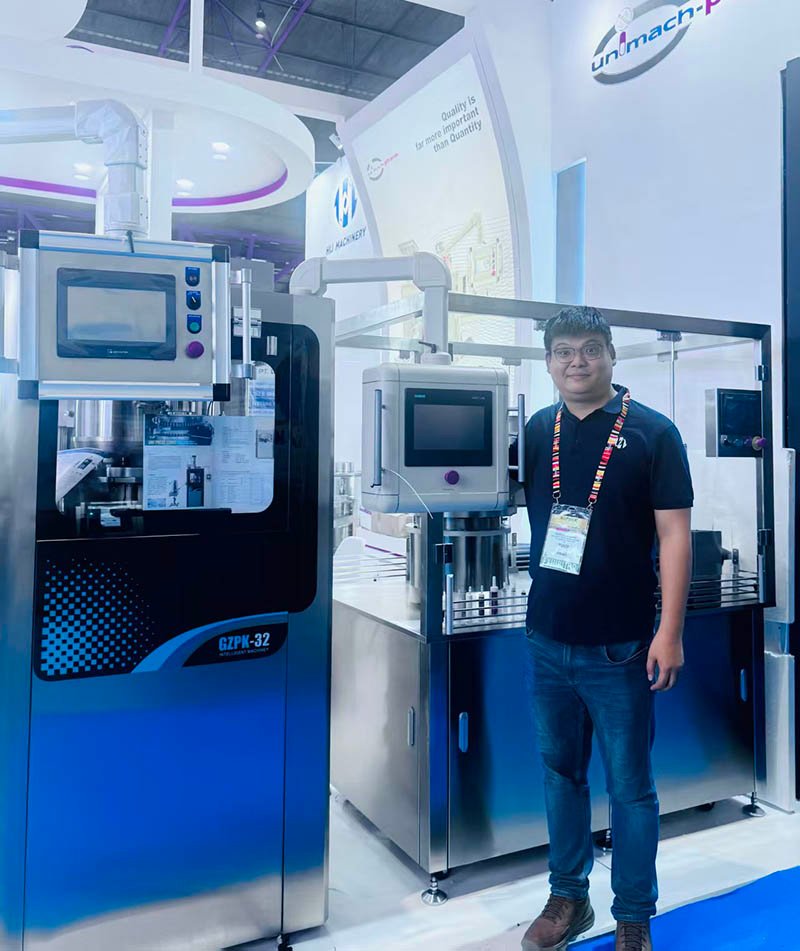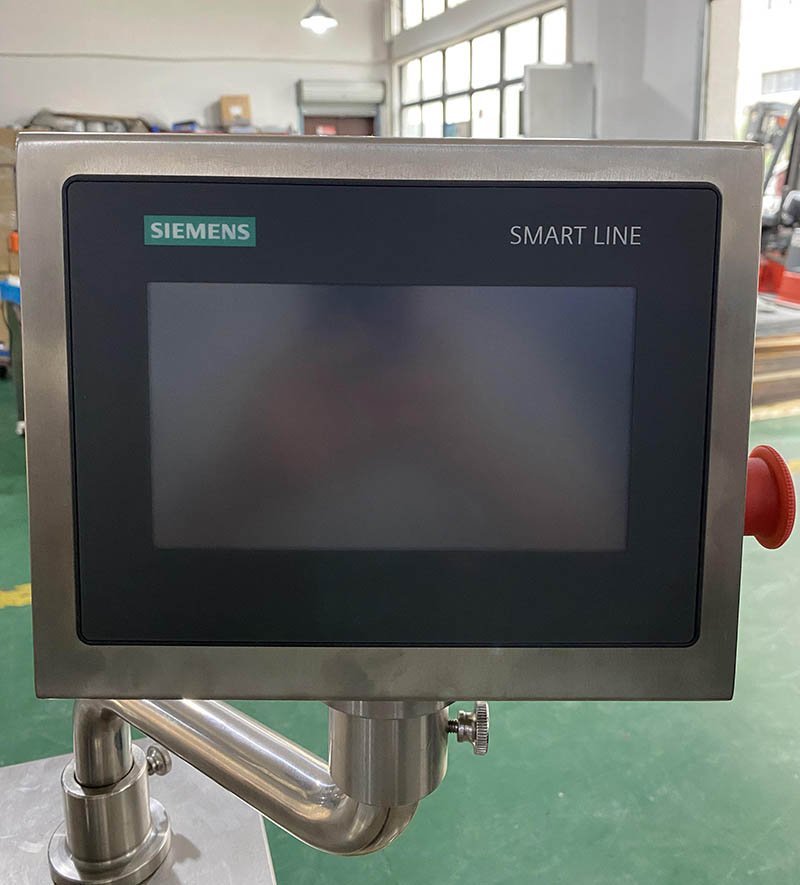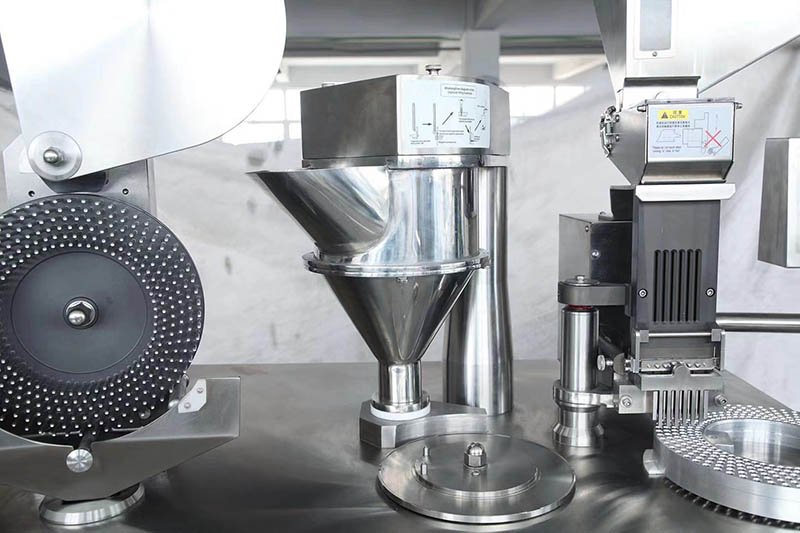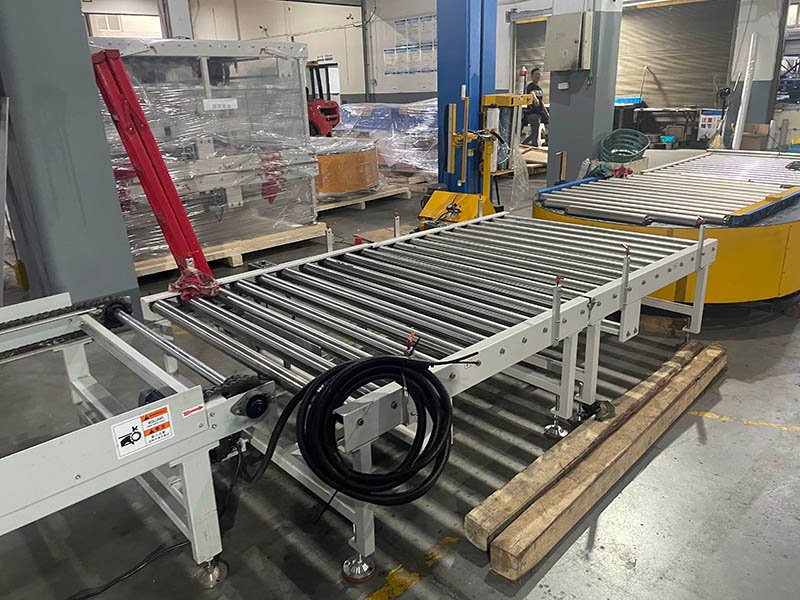
Nutraceutical blister packaging is a specialized thermoforming or cold-forming process designed to encapsulate vitamins, dietary supplements, softgels, and gummies, protecting them from moisture, oxygen, and UV light. Unlike standard pharma setups, a high-performance supplement blister machine must manage wildly diverse and irregularly shaped products without compromising speed. Ensuring operational safety during the setup of these massive automated lines is paramount; technicians operating our heavy machinery wear specific safety gear, including high-visibility apparel engineered with a strict retroreflective coefficient to prevent workplace accidents.
Table of Contents
- Expert Insight: The Reality of Nutraceutical Packaging
- 3 Hair-Pulling Challenges in Vitamin Blister Packing
- Pharma vs. Nutra Blister Machines: Key Differences
- The Gummy Conundrum: Specialized Equipment for Sticky Products
- The HIJ Solution: Your Partner for Nutraceutical Blister Lines
- Frequently Asked Questions
1. Expert Insight: The Reality of Nutraceutical Packaging
Having spent two decades in pharmaceutical and packaging machinery, I’ve watched the nutraceutical sector evolve from a niche market into a global powerhouse — and the blister packaging demands have grown right alongside it.
Here’s what most equipment vendors won’t tell you upfront: nutraceutical blister packaging is genuinely more complex than standard pharma blistering, not less. The product formats are wildly diverse — softgels, gummies, irregularly shaped tablets, effervescent discs — and each one punishes a machine that wasn’t properly specified for it.
My honest advice: don’t select your blister equipment based on throughput specs alone. The real decision should be forming film compatibility, sealing temperature precision, and how quickly the line can be cleaned and changed over between SKUs. In the nutraceutical world, flexibility and compliance documentation are worth as much as raw speed.
2. The 3 Hair-Pulling Challenges in Vitamin Blister Packing
Your standard round pharma tablet is a dream to package. Nutraceuticals? They’re the wild west of product formats. Here are the top three challenges I see clients struggle with, and the engineering solutions we build to address them.

Challenge #1: Irregular Shapes & Sizes
From fish-shaped omega-3 softgels to large, chalky calcium tablets, one-size-fits-all feeding systems fail. A standard brush-box feeder that works for tablets will crush delicate softgels.
The Solution: Dedicated, Interchangeable Feeding Systems. For our nutraceutical lines, we provide a suite of options: vibratory track feeders for tablets, specialized gravity-fed channels for softgels, and even robotic pick-and-place systems.
Challenge #2: Product Stickiness (The Gummy Menace)
Sugar-coated or oil-based gummies are the nemesis of automated packaging. They stick to hoppers, tracks, and each other, causing jams and inaccurate fills.
The Solution: Cooled Surfaces & Non-Stick Coatings. Our gummy-specific blister lines feature chilled vibrating tracks and FDA-compliant non-stick coatings on all contact surfaces.
Challenge #3: Moisture & Oxygen Sensitivity
Probiotics and certain vitamins can degrade rapidly when exposed to air. A standard PVC/Alu blister isn’t enough.
The Solution: Cold-Forming Alu-Alu & Nitrogen Flushing. For sensitive products, we specify a cold-forming Alu-Alu blister machine to create a 100% impermeable barrier.
3. Pharma vs. Nutra Blister Machines: Key Differences
While they may look similar, a machine optimized for nutraceuticals has key engineering differences from one built purely for pharmaceuticals.
| Feature | Standard Pharmaceutical Machine | HIJ Nutraceutical Machine |
|---|---|---|
| Feeding System | Often a single brush-box feeder. | Modular and interchangeable systems. |
| Material Handling | Primarily PVC/PVDC thermoforming. | Thermoforming AND cold-forming (Alu-Alu). |
| Sealing Process | Standard heat sealing. | Wider temp range, nitrogen flushing. |
| Changeover | Optimized for long single runs. | Tool-less change parts for multiple SKUs. |
4. The Gummy Conundrum: Specialized Equipment for Sticky Products
Let’s dive deeper into gummies, as they represent the fastest-growing and most challenging segment. A true gummy blister packing machine requires:
- Sanitary Design: Easy-to-remove parts for frequent washing of sugar residue.
- Counting Accuracy: Vision systems ensure correct gummy counts per blister.
- Gentle Sealing: Precise heat control to avoid melting the product.

HIJ’s gummy lines are built to address these issues head-on, ensuring your production doesn’t get stuck in a “sticky situation.” In complex industrial settings, our equipment prioritizes maximum uptime and operational safety, integrating robust electrical protection and high-standard fail-safe systems to ensure stable, high-performance manufacturing without interruption.
5. The HIJ Solution: Your Partner for Nutraceutical Blister Lines
We provide integrated, turnkey blister packaging lines tailored to the unique chaos of the nutraceutical market. Our process involves:
- URS Deep Dive: We start with your specific product range requirements.
- Material Testing: We run trials with your specific forming films.
- Modular Design: We equip our core chassis with the modules you need.
- Comprehensive Documentation: We provide full compliance packages (cGMP, TGA, etc.).
6. Frequently Asked Questions
Can one machine handle both tablets and softgels?
Yes, but it requires a modular design. The core machine can be the same, but you will need separate quick-change feeding systems.
What is the lead time for a custom line?
Standard lead time is typically 90-120 days from final design approval.