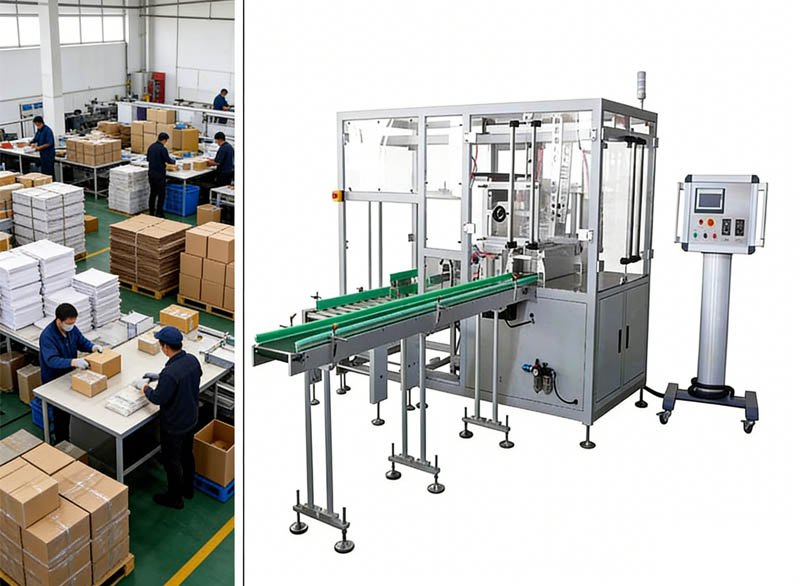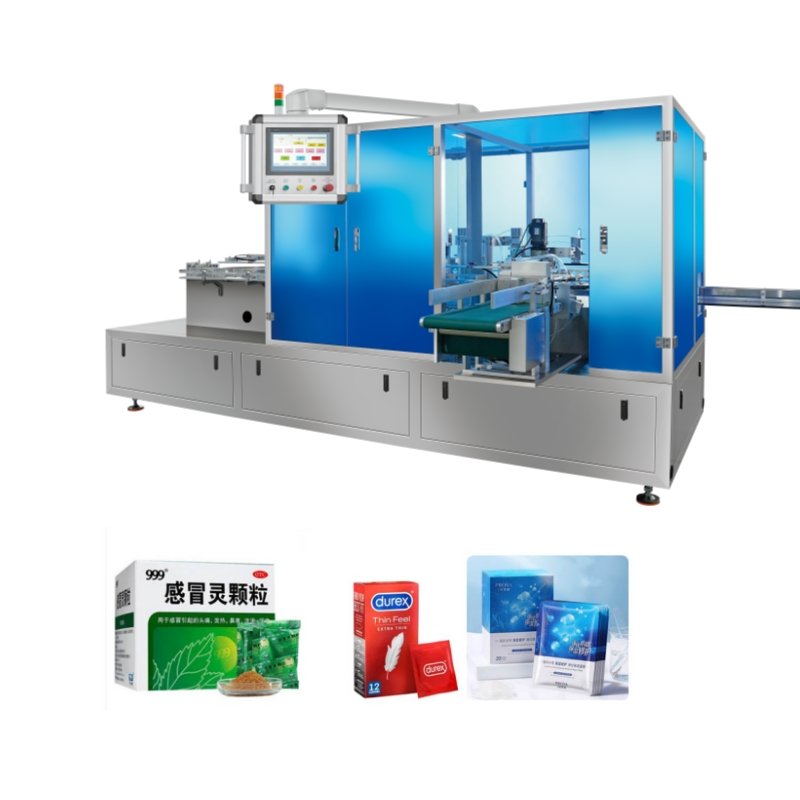
For a cartoning machine to support your pharmaceutical operation, it should be cGMP-ready: built with SUS 304 product-contact surfaces, cleanable construction with no un-cleanable ledges, full guarding, reliable leaflet verification and rejection, batch/serialization coding, and controls capable of 21 CFR Part 11 audit trails — delivered with an IQ/OQ/PQ documentation package. A machine is never “GMP certified” on its own; compliance is achieved through the validated process you run on-site, which the equipment is designed to support. This checklist covers what to look for.
“Is this cartoner GMP compliant?” is the wrong question — and vendors who answer “yes, it’s GMP certified” are giving you a red flag. No machine is inherently compliant. What a good machine is, is cGMP-ready: engineered and documented so that your validation can demonstrate compliance. This guide sets out the design, control and documentation requirements to look for in a horizontal cartoning machine destined for a regulated line.
- “cGMP-ready,” not “GMP certified.” The machine enables compliance; your validated process proves it.
- Materials & cleanability — SUS 304 contact surfaces, no un-cleanable ledges, easy access.
- Traceability — leaflet verification + reject, and batch/serialization coding.
- Electronic records — PLC capable of 21 CFR Part 11 audit trails and user access control.
- Documentation — an IQ/OQ/PQ package that supports your on-site validation.
- Frameworks — WHO GMP, EU GMP and US cGMP all point to the same fundamentals.
The frameworks that apply — and what they share
Depending on your market, your cartoning line may be assessed against WHO Good Manufacturing Practices, EU GMP, or US cGMP under the FDA. They differ in detail, but for packaging equipment they converge on the same fundamentals: equipment that is suitable for its intended use, cleanable, well-maintained, and operated under documented, validated procedures with reliable records. Electronic records and signatures bring in 21 CFR Part 11 expectations for audit trails and access control. Rather than chase one clause number, focus on whether the machine embodies these shared fundamentals — because that is what every auditor, in every market, is really checking.
What a cGMP-ready cartoning machine must have
| Requirement area | What to look for |
|---|---|
| Product-contact materials | SUS 304 (or higher) stainless on all product-contact surfaces; documented material certificates. |
| Cleanable design | Smooth surfaces, radiused corners, no horizontal ledges or dead spots that trap product dust; tool-less access for cleaning. |
| Guarding & safety | Full guarding with interlocks; safe access; compliance with machine-safety marking (CE). |
| Leaflet verification | Optical missing-leaflet detection with automatic reject, so every carton’s leaflet is assured. |
| Coding & serialization | Batch, expiry and unique-identifier printing; integration with track-and-trace where required. |
| Electronic records | PLC/HMI capable of 21 CFR Part 11 audit trails, user roles and access control. |
| Documentation | IQ/OQ/PQ documentation, material and calibration certificates, and manuals to support your validation. |
Need a cartoner documented for your regulated line?
Tell us your market and product — we’ll confirm the cGMP-ready configuration and documentation package, and quote within 24 hours.
The machine vs. the process — where the line is drawn
What the equipment provides
Suitable materials, cleanable design, guarding, leaflet and coding assurance, audit-trail-capable controls, and the IQ/OQ/PQ documentation package. This is what “cGMP-ready” means.
What your team validates
Installation qualification, operational qualification and performance qualification on your site, plus SOPs, cleaning validation and change control. This is what makes the line compliant.
For the process side — how the IQ/OQ/PQ qualification actually runs — see pharmaceutical cartoning machine validation. The leaflet-assurance requirement is covered in depth in leaflet folding and insertion.
Buyer’s cGMP checklist
- SUS 304 product-contact surfaces with material certificates
- Cleanable design — no un-cleanable ledges, tool-less cleaning access
- Full guarding with safety interlocks; CE marking
- Missing-leaflet detection with automatic reject
- Batch / expiry / serialization coding capability
- PLC capable of 21 CFR Part 11 audit trail + access control
- IQ/OQ/PQ documentation package provided
- Factory acceptance test (FAT) with your product and materials
- Vendor describes the machine as “cGMP-ready,” not “GMP certified”
“The cGMP finding I’ve seen written up most often on cartoning lines is the most mundane: an un-cleanable ledge. A flat horizontal surface or a blind corner where product dust collects and can’t be reached during cleaning. The machine ran fine, the paperwork was tidy — but that ledge was a cross-contamination risk an auditor could see in ten seconds. When you evaluate a cartoner, run your finger along every horizontal surface and ask ‘how do I clean this?’ If the answer isn’t obvious, neither will it be to your auditor.”
Read next
To see how the compliance-critical stations actually run, read how a horizontal cartoning machine works. To choose the right machine type first, see horizontal vs vertical cartoning, or explore the full cartoning machines hub. For higher outputs, the high-speed cartoning machine applies the same cGMP-ready principles.
Frequently asked questions
Can a cartoning machine be “GMP certified”?
No. A machine on its own cannot be GMP or cGMP certified. Equipment can be cGMP-ready — designed and documented to support compliance — but compliance is achieved through the validated process the manufacturer operates on-site. A supplier claiming a machine is itself “GMP certified” is misrepresenting how the regulations work.
What makes a cartoning machine cGMP-ready?
Key elements are SUS 304 product-contact surfaces, cleanable construction with no un-cleanable ledges, full guarding, reliable missing-leaflet detection and reject, batch and serialization coding, controls capable of 21 CFR Part 11 audit trails, and an IQ/OQ/PQ documentation package that supports the customer’s validation.
What is IQ/OQ/PQ and does the machine come with it?
IQ/OQ/PQ are Installation, Operational and Performance Qualification — the staged validation a customer performs to demonstrate the equipment is installed correctly, operates as intended, and performs consistently in production. A cGMP-ready cartoner is supplied with an IQ/OQ/PQ documentation package that supports that validation, which the customer’s team executes on-site.
Does a cartoning machine need to meet 21 CFR Part 11?
If the machine keeps electronic records or signatures for a regulated product, its controls should support 21 CFR Part 11 expectations — audit trails, user access control and record integrity. In practice this means a PLC and HMI configured for role-based access and audit logging, which the customer then validates as part of their process.
Which GMP framework applies to my cartoning line?
It depends on your market — WHO GMP, EU GMP or US cGMP under the FDA may apply, and often more than one for exporters. For packaging equipment they converge on the same fundamentals: suitable, cleanable, well-maintained equipment operated under documented, validated procedures. Confirm the specific market requirements with your quality team.
What documentation should I ask the machine supplier for?
Request the IQ/OQ/PQ documentation package, product-contact material certificates, calibration certificates, machine-safety (CE) documentation, and operation and maintenance manuals. Also arrange a factory acceptance test with your own product and materials before shipment so performance is demonstrated on your actual application.
Get a cGMP-ready cartoner specified and documented
Share your market, product and documentation needs. Real engineering response within 24 hours.