The sports nutrition market is booming, and energy gels are one of its fastest-moving categories. But packaging an energy gel is deceptively hard: it is a viscous, sticky, sugar-dense product that has to dose accurately, seal hermetically, and open cleanly in the middle of a race. After specifying single-dose lines for nutrition and food brands in 30+ countries, here is exactly what equipment you need, what it costs, and the packaging decisions that make or break an energy gel launch.
To package energy gels you need a machine that doses viscous gel accurately, seals a high-barrier film against moisture and oxygen, and produces a single-serve pack an athlete can open one-handed. The premium format is the easy-snap card sachet; the HIJ CD120 fills 0.5–20 ml of gel at ±0.1 g with built-in heating and mixing, from about US$42,000 FOB.
Key Takeaways
- Energy gels are viscous and sticky — accurate dosing needs a pump system built for thick fluids, not a basic volumetric filler.
- The pack must open one-handed mid-activity; an easy-snap card beats a tear-pack an athlete fumbles with sweaty hands.
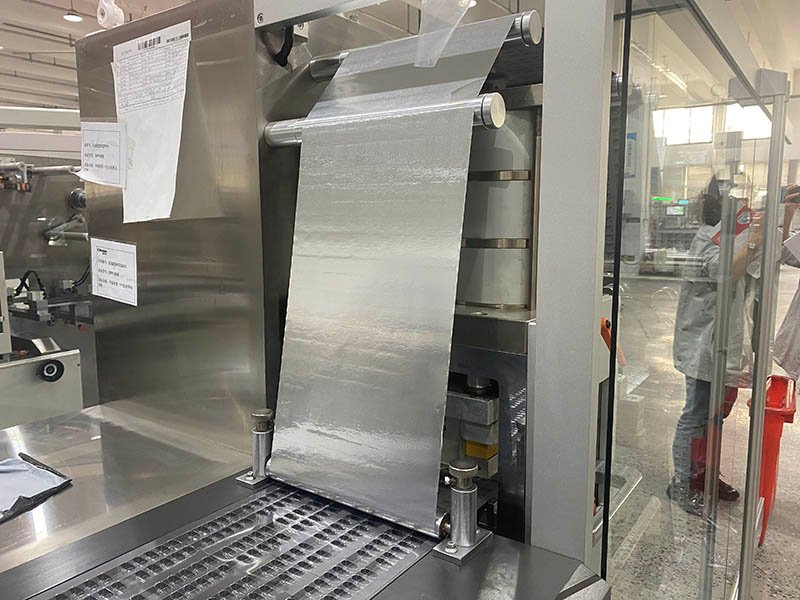
- High-barrier film protects against moisture and oxygen, which degrade flavor and shelf life in sugar-dense gels.
- Built-in heating and mixing keeps the gel homogeneous so active ingredients don’t settle between doses.
- A single-serve gel line built on the easy-snap sachet machine starts around US$42,000 for the core machine.
About the author — Forester Xiang
Forester combines deep technical knowledge with 20+ years of global market experience. Having personally audited 100+ cosmetic, pharmaceutical and food packaging factories across 30+ countries, he helps clients buy not just a machine, but a complete, compliant, and profitable packaging solution.
Why Energy Gels Are Hard to Package
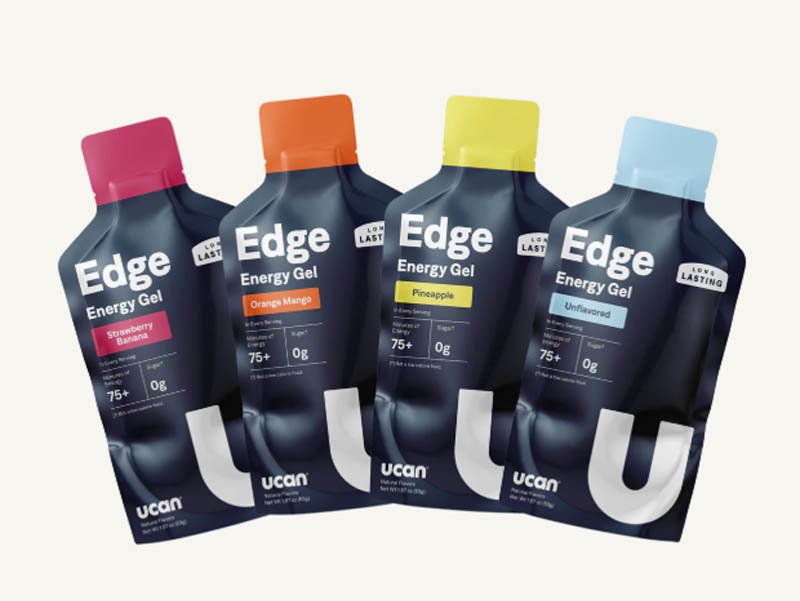
Energy gels combine high viscosity, stickiness, sugar density and a demanding use case — opened mid-activity, one-handed — which together defeat general-purpose liquid packing machines. The four challenges and their fixes:
1High Viscosity & Stickiness
Gels are far thicker than water and cling to every surface, so basic volumetric fillers under-dose, drip and leave residue that contaminates seals. A pump system designed for viscous fluids, paired with gentle heating to lower viscosity during filling, delivers accurate doses with clean cut-off.
2Accurate Dosing of Actives
Athletes rely on a precise carbohydrate and electrolyte dose per gel. If dosing drifts, the nutritional claim on the label is wrong — a compliance risk. ±0.1 g accuracy keeps every sachet on spec.
3Ingredient Separation
Caffeine, electrolytes and other actives can settle out of the gel base between doses, so the first and last sachet of a batch differ. Built-in mixing keeps the gel homogeneous throughout the run.
4The One-Hand Open
This is the use case that defines the format. An athlete mid-race, with sweaty or gloved hands, cannot fumble with a stubborn tear-notch. A clean one-hand open is a performance feature, not a convenience.
Gel brands obsess over the formula and treat packaging as an afterthought — until the first race-day feedback comes in. The complaint is never about the carbs; it is “I couldn’t open it without stopping” or “it exploded in my pocket.” The pack IS the product experience at the moment it matters most. Design the opening for a tired athlete with one free hand, and you have a feature competitors copying a generic sachet can’t match.
Packing honey specifically? Read how to package honey in single-serve sachets for the viscosity, heating and film details that make the easy-snap format work.
Equipment & Cost to Start a Gel Line
The core of an energy gel line is the dosing-and-sealing machine; everything else scales around it. An indicative startup setup:
| Stage | Equipment | Indicative Budget (USD, FOB) |
|---|---|---|
| Gel preparation | Jacketed mixing tank, transfer pump | $15,000–40,000 |
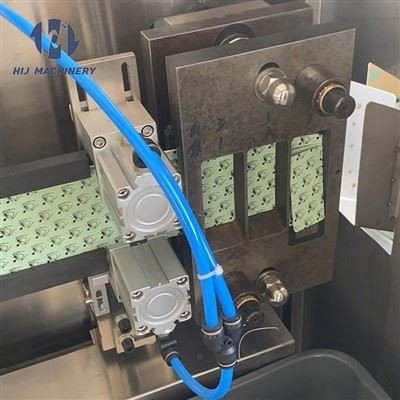
| Dosing & sealing | Easy-snap sachet machine (CD120) with heating & mixing | From $42,000 |
| Coding | Built-in date/batch coding | Included |
| Cartoning (optional) | Automatic cartoning machine | $25,000–60,000 |
| Case packing (optional) | Case packer | $30,000+ |
For a startup, the gel-prep tank plus the easy-snap sachet honey packaging machine (which doubles as a gel machine) is the minimum viable line. Add cartoning and case packing as volume grows. Full budgets across machine types are in the cosmetic packaging machine price guide.
Launching a Gel Brand: What to Get Right
Match the machine to your viscosity, not the average
Gels vary widely — a thin isotonic gel and a thick caffeine paste behave differently. Spec the machine for your thickest formula, because a machine that handles thick gel will also run thin, but not the reverse. Always run your actual gel at a Factory Acceptance Test before buying.
The trap I see with nutrition startups is buying capacity they won’t use for two years because a sales projection looked exciting. An energy gel brand lives or dies on distribution, not on packing speed. Start with one machine that nails the format and dose, fill your real orders, and add lanes when the shelf space is actually yours. I have never seen a gel brand fail from too little packing capacity — only from buying too much, too early.
Plan compliance from day one
Energy gels are food/supplements, so contact parts must be food-grade (304/316 stainless), dosing accurate enough to back the nutrition label, and date/batch coding in place for traceability. The CD120 is cGMP-ready with built-in coding, which keeps your regulatory file clean for export.
Treat the pack as marketing
The easy-snap card is a brandable, rigid face an athlete sees every time they fuel. That real estate — and the clean one-hand open — is part of why a premium gel can charge more than a generic sachet competitor. See the easy-snap sachet machine for the format details.
Frequently Asked Questions
What machine is used to package energy gels?
A single-dose sachet machine with viscous-fluid dosing, heating and mixing, such as the HIJ CD120 easy-snap sachet machine. It doses 0.5–20 ml of gel at ±0.1 g, keeps the gel homogeneous, and seals an easy-snap card pack an athlete can open with one hand.
How much does it cost to start an energy gel line?
A minimum viable line is a jacketed gel-prep tank ($15,000–40,000) plus the dosing-and-sealing machine (from $42,000 FOB), so roughly $60,000–80,000 for the core. Cartoning and case packing are optional add-ons you can defer until volume grows. Building, ingredients and working capital are separate.
Why do energy gels need accurate dosing?
Because the carbohydrate and electrolyte content per gel is a nutrition claim on the label. If dosing drifts, the actual content no longer matches the label — a regulatory and trust problem. ±0.1 g accuracy, plus built-in mixing to stop active ingredients settling between doses, keeps every sachet on spec.
Can the same machine run honey and energy gels?
Yes. Honey and energy gels are both viscous, sticky products with similar packaging needs, so the CD120 runs both with a recipe and mold change. This makes it a flexible choice for a brand that wants to launch gels and later add honey, syrups or other viscous single-serve products.
What film is best for energy gel sachets?
A high-barrier composite film — commonly PET/AL aluminum laminate — because sugar-dense gels are sensitive to moisture and oxygen, which degrade flavor and shelf life. The CD120 runs PET/AL, PET/PE and PS/PE films, so you can match barrier level to your formula and shelf-life target.
Launching an Energy Gel Brand?
Send me your gel formula, dose size and target output. I’ll confirm the right CD120 setup and run your actual gel at the Factory Acceptance Test before you commit.
Get a Free Gel Packaging Assessment