Single-serve honey is one of the fastest-growing formats in the honey market — hotels, cafes, airlines and on-the-go consumers all want a clean, no-drip portion. But honey is one of the hardest products to portion-pack: it is thick, it strings, it crystallizes, and it traps air. After specifying single-dose lines for honey and food producers in 30+ countries, here is exactly how to package honey into single-serve sachets that look premium and survive the shelf.
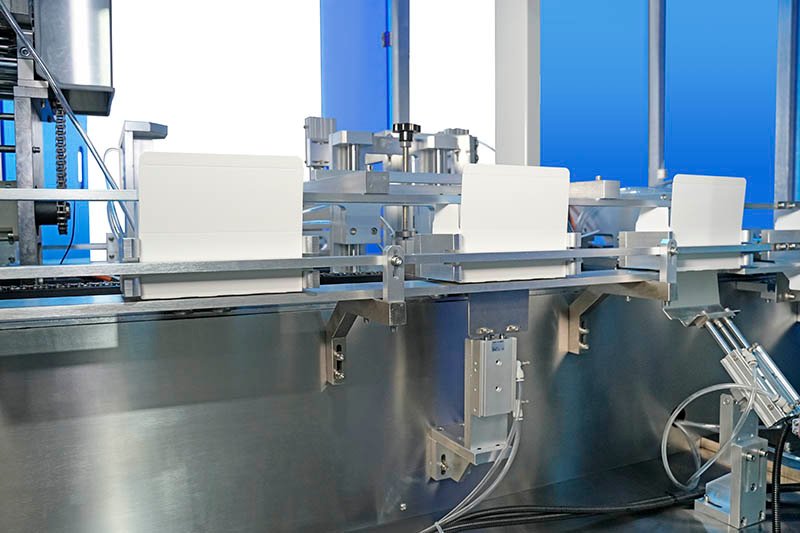
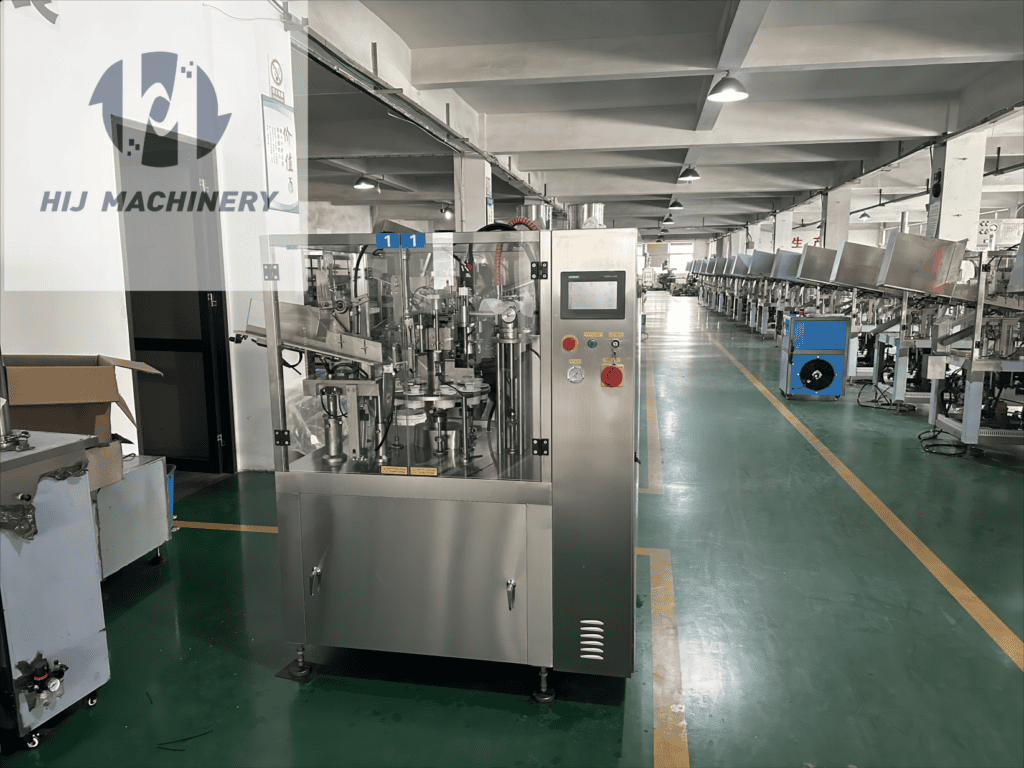
To package honey in single-serve sachets, match the dosing and temperature-control system to your honey, verify fill mass and nozzle cut-off, and qualify the film and seals for moisture protection. An easy-snap card-style sachet — opened with one hand, no scissors — is the premium format: the HIJ CD120 fills 0.5–20 ml of honey at ±0.1 g with built-in heating, from about US$42,000.
Key Takeaways
- Match temperature control to the honey and filling conditions. Heating can aid flow, but fill accuracy and clean nozzle cut-off require a product trial.
- Barrier film matters: honey is hygroscopic, so qualify the laminate and seals for moisture protection. A moisture barrier alone does not establish resistance to crystallization.
- The easy-snap card sachet is the premium single-serve format — one-hand open, no mess, strong shelf presence versus a floppy stick pack.
- Typical single-serve honey portions are 5–15 g; the easy-snap sachet honey packaging machine covers 0.5–20 ml in one format range.
- Date coding and batch tracking are built in — essential for food traceability and export compliance.
About the author — Forester Xiang
Forester combines deep technical knowledge with 20+ years of global market experience. Having personally audited 100+ cosmetic, pharmaceutical and food packaging factories across 30+ countries, he helps clients buy not just a machine, but a complete, compliant, and profitable packaging solution.
Why Honey Is Hard to Portion-Pack
Honey can be highly viscous, stringy, hygroscopic and prone to crystallization. These characteristics may require different handling, packaging selection and validation; approaches depend on the product and project:
1High Viscosity
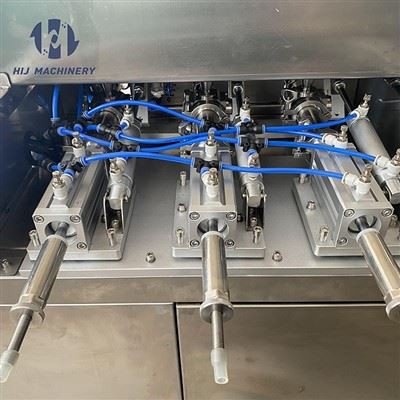
Honey viscosity varies with composition and temperature. Controlled warming can improve flow, but temperature and holding time must protect product quality. Define the permitted conditions with the honey producer, then verify fill mass and nozzle cut-off with representative product. FAO explains honey viscosity and heat sensitivity; a heating jacket alone does not establish dosing performance.
2Stringing at the Nozzle
Honey forms a long string between the nozzle and the pack, which falls into the seal area and causes leaks. A clean cut-off at the end of each dose — combined with the right fill temperature — severs the string and keeps the seal zone clean.
3Crystallization Over Time
Honey can crystallize naturally. Its sugar composition, glucose-to-water balance, storage temperature and duration, crystal nuclei and processing history affect the process. Moisture-barrier packaging can limit moisture transfer, but the film name alone does not predict how long honey will remain liquid. Assess shelf-life performance with the actual honey, laminate, seals and intended storage conditions.
4Air Inclusion
Whipped-in air shows as bubbles in a clear sachet and looks like a defect to consumers. Heating reduces viscosity enough for air to escape before filling, and bottom-up dosing avoids folding new air into the portion.
Agree the honey condition and permitted temperature range before choosing the dosing system. Verify the whole run, not only the first samples. Record fill weights, product temperature, nozzle cut-off and seal cleanliness during start-up, steady operation, replenishment and restarts against agreed acceptance criteria.
Still choosing a format? See our full single-dose sachet vs stick pack comparison for a side-by-side breakdown of cost, drip control and shelf presence.
Which Single-Serve Format for Honey?
Single-serve honey ships in three main formats. For premium positioning and a clean consumer experience, the easy-snap card sachet wins:
| Format | Easy-Snap Card Sachet | Stick Pack | Flat Sachet |
|---|---|---|---|
| Opening | One-hand snap, no scissors | Tear (often messy) | Tear corner |
| Mess / drip | Minimal — rigid card controls flow | Prone to drip | Prone to drip |
| Shelf presence | Premium, rigid, brandable face | Low, floppy | Low |
| Portion range | 0.5–20 ml | Usually small | Small–medium |
| Best for | Hotels, cafes, retail, gifting | On-the-go, low cost | Bulk foodservice |
The easy-snap card format is produced by the easy-snap sachet honey packaging machine (CD120). For a deeper format comparison across products, see our guide to cosmetic and food sachet packaging machines.
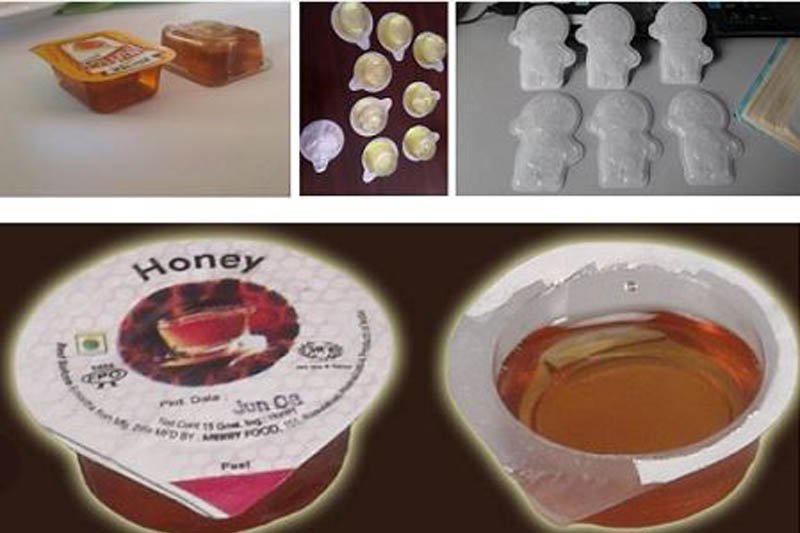
How the Packaging Process Works, Step by Step
- Condition & hold: maintain the agreed honey condition; where warming is needed, control temperature and holding time within the approved product limits.
- Film forming: the composite film is unwound, formed and embossed into the card-style sachet shape.
- Heat sealing: three sides of the sachet are sealed, leaving the top open for filling.
- Dosing: the exact honey volume (0.5–20 ml) is filled at ±0.1 g, with a clean cut-off to stop stringing.
- Tail seal & snap line: the top is sealed and the easy-snap perforation is formed.
- Coding & cut: date/batch code is printed and the finished sachet is punched out, ready to pack.
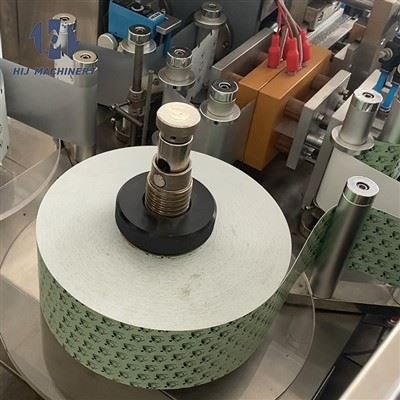
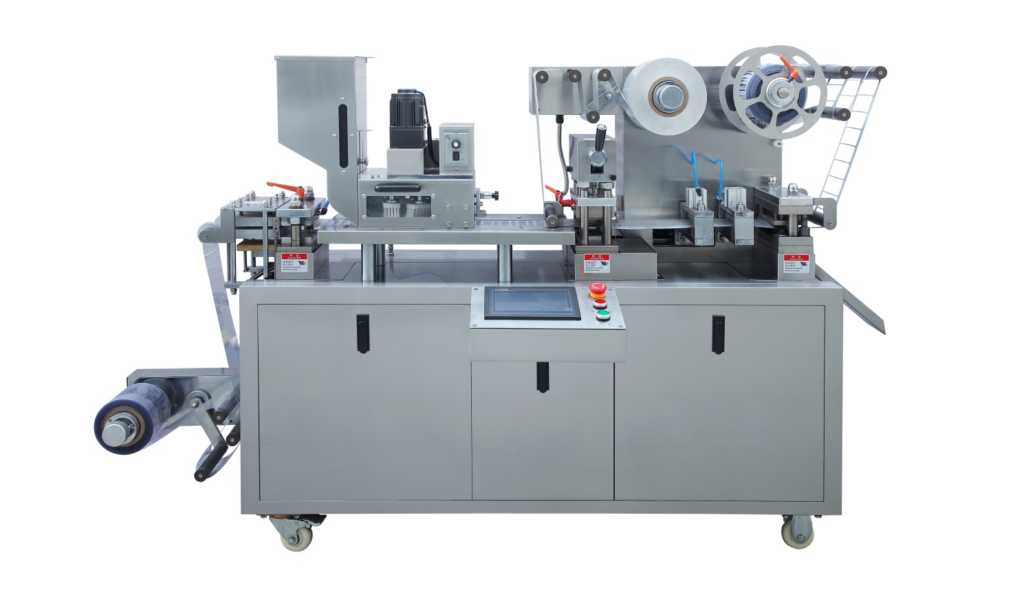
The machine for the job — HIJ CD120
- Built-in heating & mixing — keeps honey flowing and homogeneous
- 0.5–20 ml fill at ±0.1 g accuracy, 10–80 sachets/min
- PET/AL, PET/PE, PS/PE film families — qualify the exact laminate and finished seals for the required moisture barrier
- Date coding & batch tracking built in for food traceability
- 304/316 stainless contact parts, packs up to 100 × 120 mm, from about US$42,000 FOB
See full specs on the easy-snap sachet honey packaging machine page, or compare budgets in our cosmetic packaging machine price guide.
Don’t let the sample fool you. Buyers pick a format from a photo, but honey behaves differently in each. I always tell honey brands to send real product and run a trial: a stick pack that looked elegant in the catalog drips down the consumer’s hand because there is nothing rigid to control the pour. The easy-snap card holds its shape — that rigidity is the whole reason it reads premium and stays clean.
Frequently Asked Questions
What machine packages honey into single-serve sachets?
A card-style sachet packing machine with built-in heating, such as the HIJ CD120 easy-snap sachet honey packaging machine. It heats the honey to keep it flowing, doses 0.5–20 ml at ±0.1 g accuracy, and seals an easy-snap card sachet that opens with one hand — no scissors and no drip.
Does every honey filling application need heating?
Heating can reduce honey viscosity, but the need and permitted conditions depend on the actual honey and dosing system. Agree product-temperature and holding-time limits with the producer, then trial representative honey. Check fill-weight variation, nozzle cut-off, seal cleanliness and product quality. Heating alone does not guarantee the target weight.
Can barrier film prevent honey from crystallizing?
A moisture-barrier package can limit moisture transfer, but it does not guarantee that honey will remain liquid. Crystallization depends on sugar composition, glucose-to-water balance, storage conditions, crystal nuclei and processing history. Assess the actual honey, laminate, seals and intended storage conditions together. The CD120 lists PET/AL, PET/PE and PS/PE film families; the exact structure and finished-pack performance require confirmation.
What size are single-serve honey portions?
Typical single-serve honey portions are 5–15 g (roughly 4–11 ml), the standard for hotels, cafes and on-the-go packs. The CD120 covers 0.5–20 ml in one adjustable format range, so you can run small tasting portions and larger retail servings on the same machine.
How much does a honey sachet machine cost?
The HIJ-CD120 easy-snap sachet machine starts at approximately US$42,000 FOB China, including date coding, material heating and mixing, and a chiller. Final pricing depends on mold size, film type and optional automated feeding. See the price guide for budgets across machine types.
Launching a Single-Serve Honey Line?
Send me your portion size, target output and film preference. I’ll confirm the right CD120 configuration and run your honey samples at the Factory Acceptance Test before you commit.
Get a Free Honey Packaging Assessment