Equipment selection · Product and component fit
An oral syringe filling machine meters a liquid into an oral-use syringe; the equipment scope may also include loading, capping and labelling. Choose it around the actual syringe, closure, formulation and batch workflow—not syringe capacity alone.
This guide is for procurement and production teams comparing batch filling with automated fill-and-cap equipment. It separates general selection requirements from the documented HIJ plastic-syringe platform.
Start with the production workflow, not a machine label
Two machines described as “syringe fillers” can solve different problems. One may help an operator fill a batch of syringes, while another transfers components through automatic loading, filling and closing stations. The correct comparison is the completed work per batch, including the steps that remain manual.
| Workflow | What the project needs | What to establish first |
|---|---|---|
| Operator-assisted batch filling | Repeatable filling while an operator manages component presentation and other tasks. | Who loads, caps, labels and checks each syringe; how many changes occur in a shift. |
| Automatic fill-and-cap | Coordinated component loading, product metering, closure handling and discharge. | Feeder compatibility, component supply, cap placement and the accepted finished-unit target. |
| Integrated packaging line | Filling connected to the specified inspection, labelling and secondary-packaging steps. | Included modules, hand-off conditions, line controls and ownership of each acceptance test. |
As one published example of the first route, MPI describes its Auto-Draw system as semi-automatic batch filling for oral syringes. That is a different scope from a complete automatic fill-and-cap line. Compare like-for-like duties rather than treating the word “automatic” as a complete specification.
An oral-use project is also not interchangeable with an injectable prefilled-syringe project. The product owner must define the intended-use component, closure and quality requirements. A machine description or an optional clean-air hood does not establish that the finished process meets them.
The syringe and cap determine the handling design
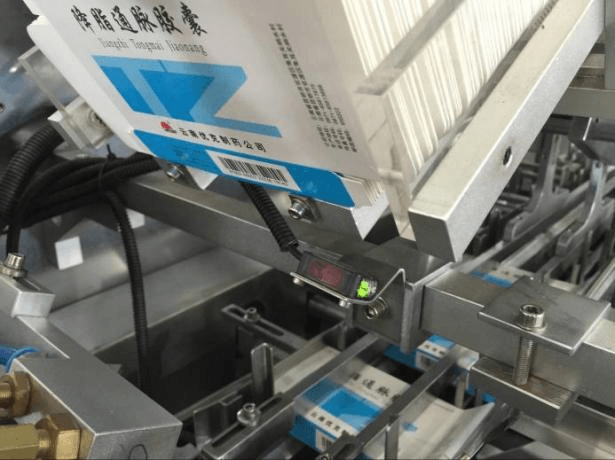
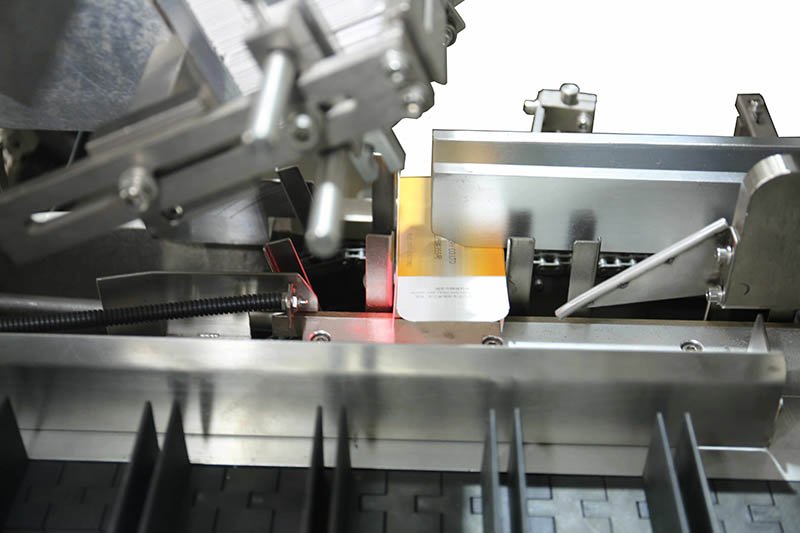
Give the equipment supplier the actual syringe and cap drawings, not just “5 ml plastic syringe.” Barrel diameter, flange geometry, tip shape, overall length and cap engagement affect how the components are fed, held, filled and closed. A capacity range is not a compatibility list.
- IdentifyExact syringe and cap references
- PresentLoose or organised component supply
- HoldOrientation and supporting surfaces
- CloseCap placement and acceptance method
Specify whether plungers and closures arrive fitted, loose or separately supplied. Ask the supplier to explain the filling access and the sequence using your assembled component set. A change in tip or cap can affect tooling even when nominal fill volume stays the same.
For multiple formats, build a small matrix: component reference, nominal fill, presentation, required tooling and changeover tasks. Include supplier variants and tolerances that will actually enter production. Do not assume that a successful test with one brand transfers to another.
Put intended use on the drawing package. Specify the approved oral-use syringe and closure. Do not substitute a connector because it fits the machine, and do not infer oral-use suitability merely from a photograph of a plastic syringe.
Match the metering system to the real formulation
The supplier needs the minimum, nominal and maximum fill quantities, plus product behaviour at the intended filling temperature. Relevant inputs include viscosity or rheology, foaming, entrained air, settling, particulates, stringing and the proposed cleaning method. State which of these are measured and which still need testing.
Ask how product reaches the pump and how the nozzle ends a fill. A stable metered quantity does not by itself demonstrate clean cut-off, low splashing or repeatable closure placement. Product left on a tip or sealing surface may affect the next operation and should be included in the trial inspection.
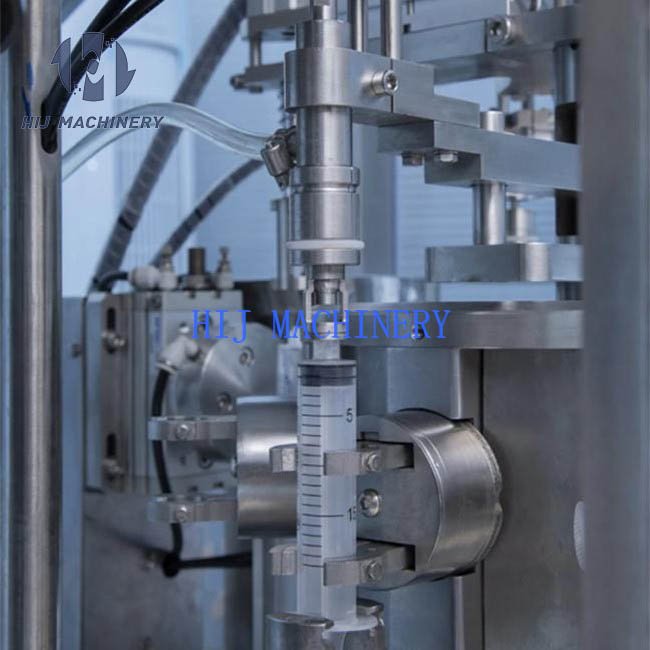
The DZA100 technical document identifies a ceramic plunger pump. That is a documented platform feature, not a recommendation for every oral formulation. Ask for the proposed pump range, product-contact materials, disassembly requirements and a test with your formulation before accepting the configuration.
Define accuracy in terms the supplier can test: fill target, allowable deviation, measurement method, sampling plan and treatment of start-up units. If a trial uses weight to assess a volume target, document the conversion basis and relevant product conditions. Keep container tare and product variation separate from filling variation.
Plan accepted syringes per batch, not headline speed
Start with the number of acceptable finished syringes required and the actual time available for production. Separate filling time from cleaning, setup, component replenishment, format changes and inspection. Then ask whether downstream capping or labelling can sustain the same flow.
Illustrative planning calculation · Not a machine rating
6,000 accepted units ÷ 300 production minutes = 20 accepted units/min
If an eight-hour shift leaves 300 minutes after planned activities, the equipment must deliver those 20 accepted units per minute during that production window. Unplanned stops and rejected units would require additional running-rate capacity. Replace these example inputs with your own batch plan.
Record both total output and accepted output during the same timed test. Also record interruptions and the reason for each stop. A short demonstration with replenishment excluded cannot answer how many usable units a full batch will deliver.
Forester’s My Insight
The published DZA100 reference of 1,800–2,100 units/hour converts to 30–35 units/minute by dividing by 60. That arithmetic makes the units comparable; it does not convert the published capacity into a validated oral-syringe rate. Compare the reference with a timed, accepted-output trial using the actual formulation, syringe and cap.
When comparing one and two filling positions, include loading reliability, closure handling and changeover work. The relevant question is the extra accepted output from the complete configuration, not simply twice the needle count.
What the HIJ DZA100 reference does—and does not—establish
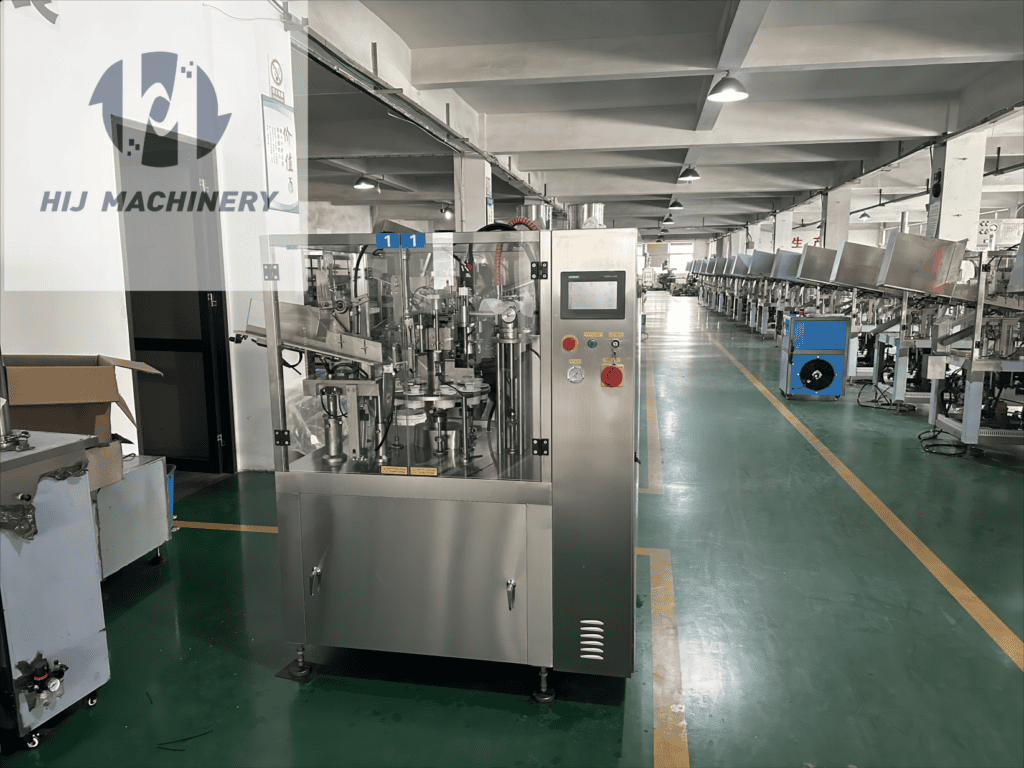
The HIJ DZA100 plastic syringe filling and capping machine provides a documented starting point for a component-and-product review. Its technical source describes plastic syringes, liquid and ointment materials, ceramic-pump filling and cap handling.
| Published item | Reference value | Meaning for the review |
|---|---|---|
| Plastic syringe sizes | 0.5–50 ml | Confirm actual syringe/cap geometry, pump range and format parts. Not one universal setup. |
| Filling positions | One filling needle | Assess the complete sequence, including component supply and closing. |
| Published capacity | 1,800–2,100 units/hour | Reference capacity only; verify accepted output for the nominated product and pack. |
The available document does not identify an approved oral-syringe component list or a completed oral-product trial. Oral-use suitability therefore remains a feasibility question, not a confirmed application claim. Ask HIJ to assess the samples and state the proposed scope in writing. For the broader equipment routes, use the syringe filling machine range.
Use the same trial brief to compare suppliers
A useful factory acceptance test connects each purchasing requirement to observable evidence. Agree the conditions before the test, including formulation, component lot, sample quantities, measurement method, run duration and acceptance rules. Do not substitute a convenient liquid without recording what the substitute cannot establish.
- Filling: test the agreed fill range and inspect variation, start-up behaviour and cut-off with the nominated product.
- Component handling: observe feeding and transfer with production syringes and caps, including replenishment and the agreed challenge conditions.
- Closing: evaluate cap presence, position and the specified retention or leakage checks using approved methods.
- Changeover: demonstrate the agreed format change, record parts and adjustments, then verify the first acceptable units after restart.
- Batch completion: reconcile accepted and rejected units and record interruptions over the agreed production test.
Compare quotations against that same scope. Separate base filling equipment from feeders, tooling sets, cap handling, inspection, labelling, cleaning provisions and line interfaces. Request configuration-based pricing; a lower total with missing modules is not the same offer.
Keep the decision practical: select the configuration that demonstrates the required component handling and acceptable batch output, with changeover and cleaning work your team can support. An attractive rate on a specification sheet is only one input.
Questions about oral syringe filling equipment
Is every plastic syringe filling machine suitable for oral syringes?
No. Plastic describes the material, not the intended-use component or its geometry. Compatibility must be established for the exact syringe, cap, formulation and handling sequence. The DZA100 reference is not proof of a completed oral-syringe application.
Does the stated syringe size range cover every fill quantity?
Not with one universal setup. The selected pump range, nozzle, fixtures and component-feeding parts must suit the required formats and quantities. Ask the supplier to identify changes needed across the minimum, nominal and maximum fill targets.
Does a filling machine also cap and label the syringes?
Only when those operations are included in the quoted scope. Compare filling, component loading, cap feeding and placement, inspection and labelling separately. Confirm the manual tasks and interfaces that remain outside the supplied equipment.
What is needed for an oral syringe filling equipment quotation?
Provide the formulation and filling conditions, minimum and maximum fill targets, syringe and cap drawings and samples, batch size, accepted-output requirement and cleaning needs. Ask for a written feasibility decision and a quotation tied to the agreed configuration.
Start with the component set
Send the syringe and cap drawings, formulation details and batch target. Ask HIJ to review equipment fit before selecting a platform or requesting a final quotation.
Request an Equipment-Fit Review
Need the platform details first? Read the DZA100 specifications.
References and scope
Equipment reference: HIJ-DZA100 technical specification and the linked HIJ product page. Workflow example: MPI’s linked Auto-Draw product description. The batch example is an illustrative calculation, not trial data. This article concerns equipment procurement; product suitability and process acceptance require project-specific review.