If your product is an awkward shape — a tall bottle, a jar, a pouch, an odd container — the loading method of your cartoning machine matters more than the brand on it. This guide explains the two ways a cartoning machine fills a carton, and how to pick the right one so your product doesn’t end up being packed by hand.
Quick answer
Top-load (vertical) cartoning machines drop the product into the carton from above, so they handle upright and irregular-shaped products that side-load machines can’t. Side-load (horizontal) cartoning machines push the product in from the side, which is faster but works best for flat, stackable items such as blister packs and sachets. Choose by your product’s shape and stability, not just by speed.
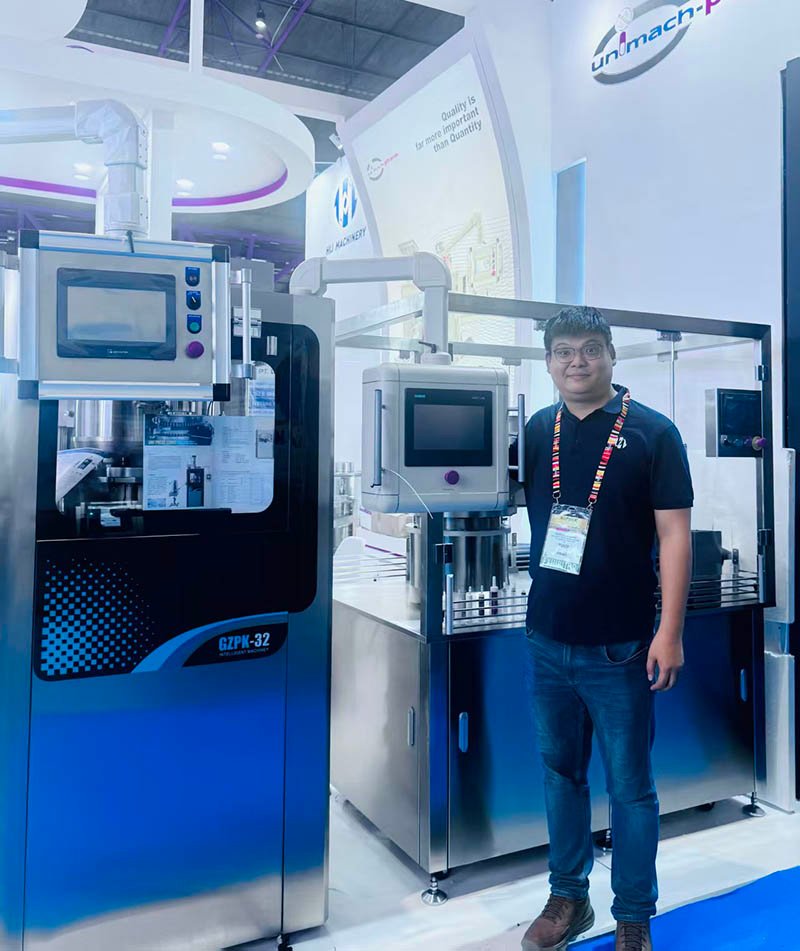
Forester Xiang
Founder & Chief Engineer, HIJ Machinery
Key Takeaways
- A top-load (vertical) cartoning machine loads products into the carton from above, so it handles upright and irregular-shaped products such as bottles, jars, vials and pouches that side-load machines can’t.
- A side-load (horizontal) cartoning machine pushes products in from the side and works best for flat, stackable items such as blister packs, sachets and soap bars, often at higher speed.
- Choose by product shape first, not speed: upright, round or irregular products point to top-load; flat, stackable products point to side-load.
- The HIJ GSZ-60 is a top-load vertical cartoning machine running at 5–50 cartons/min, built for bottles, jars, vials, food and irregular products.
- If you are unsure, your product’s stability and shape decide the machine — a fragile or unstable product almost always favours top-load.
Top-Load vs Side-Load Cartoning: The Core Difference
Every automatic cartoning machine fills a folding carton one of two ways. The method decides which products it can handle — and which it can’t.
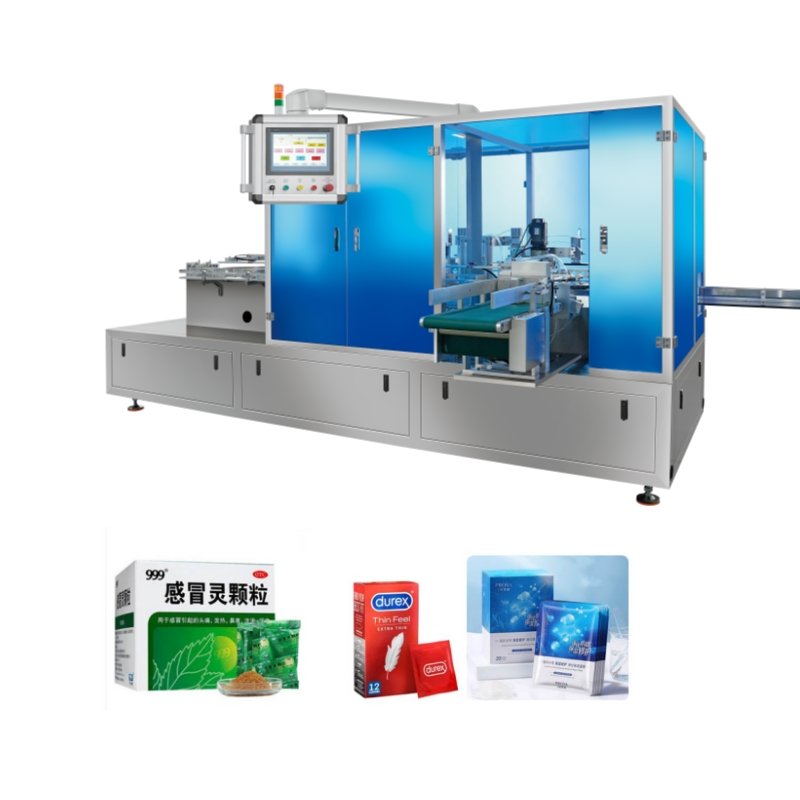
Vertical Cartoning Machine
The product is dropped into the carton from above. Because gravity does the work, it handles upright and irregular-shaped products — bottles, jars, vials, pouches — that won’t behave in a side-push machine.
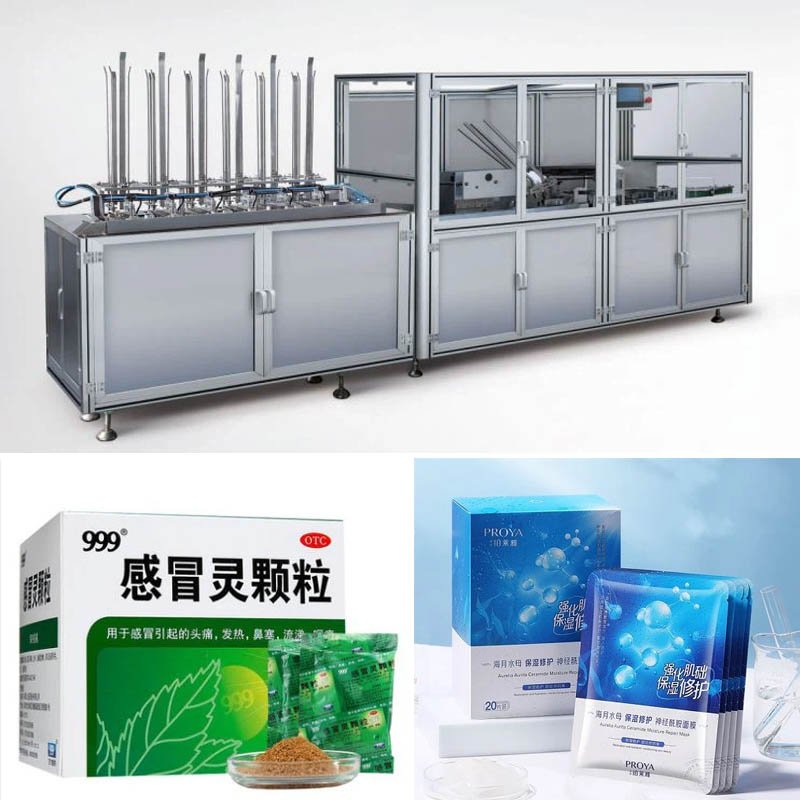
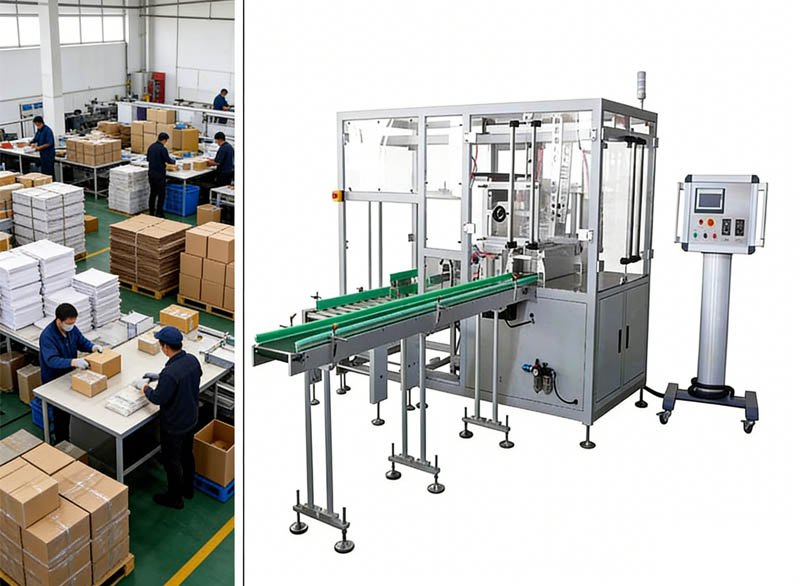
Horizontal Cartoning Machine
The product is pushed in from the side. This is fast and efficient for flat, stackable items — blister packs, sachets, soap bars — but struggles with anything tall, round or unstable.
| Factor | Top-Load (Vertical) | Side-Load (Horizontal) |
|---|---|---|
| Loading direction | From the top, downward | From the side, horizontal push |
| Product orientation | Stands upright in the carton | Slides in flat or on its side |
| Best for | Bottles, jars, vials, pouches, irregular shapes | Blister packs, sachets, soap bars, flat items |
| Handles irregular shapes | Yes | Limited |
| Typical speed | Moderate (GSZ-60: 5–50 cartons/min) | Often higher for flat, solid items |
| Example HIJ machine | GSZ-60 vertical cartoning machine | horizontal cartoning machine |
Forester’s Insight
Forester Xiang · Founder & Chief Engineer
In 20 years I’ve watched buyers choose a cartoner on speed alone, then discover on install day that it can’t even hold their product upright. The spec sheet looked great — the product just wouldn’t behave.
My advice is simple: decide the loading method before you compare speeds. Bring me your actual product, not a number. Nine times out of ten the shape settles it — anything that stands up, rolls or won’t lie flat is a top-load job before we ever talk cartons per minute.
How to Choose: Match the Machine to Your Product
Forget speed sheets for a moment. Start with your product’s shape and stability — that single factor narrows the choice faster than anything else.
Ask yourself:
Is my product upright, round or irregular?
- Bottles, jars, vials, perfume containers
- Stand-up pouches or doypacks
- Odd shapes that tip over or won’t stack
Ask yourself:
Is my product flat and stackable?
- Blister packs and strips
- Sachets, soap bars, flat pouches
- Rigid, solid items at high volume
Ask yourself:
Is my product fragile or easily damaged?
- Glass bottles, vials, delicate containers
- Items that scuff or crack under side pressure
- Top-load drops gently, with less impact
Ask yourself:
Is raw speed my top priority?
- Very high output of flat, identical products
- Blisters or sachets in the hundreds per minute
- Product is stable and uniform
Which Cartoner for Which Product
The same rule decides it every time: upright or irregular goes top-load, flat and stackable goes side-load.
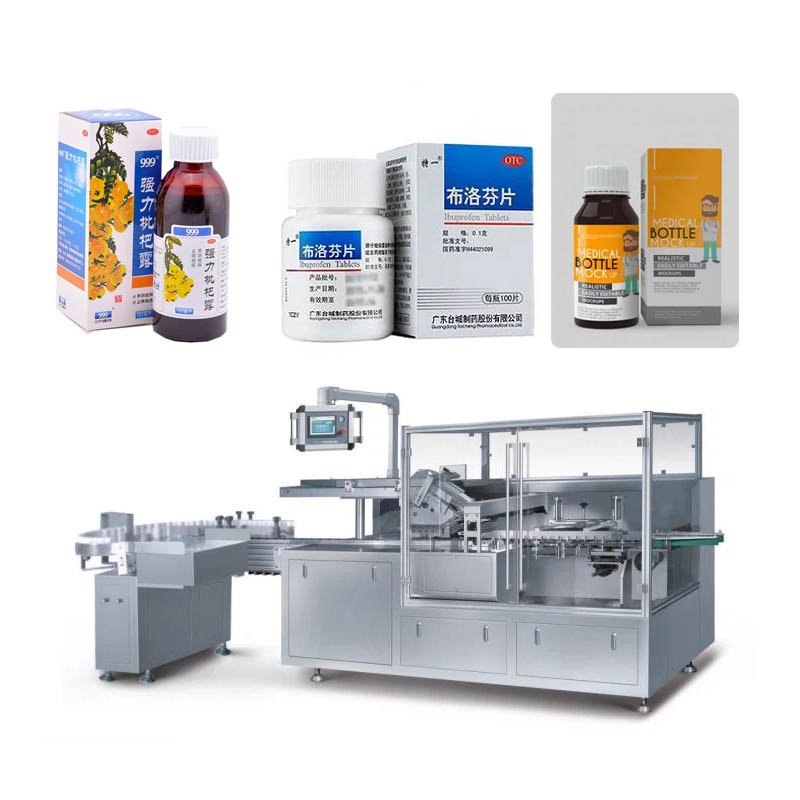
Upright & Irregular Products
- Bottles, jars, vials and tins
- Pods, capsules and stand-up pouches
- Odd shapes that tip or won’t lie flat
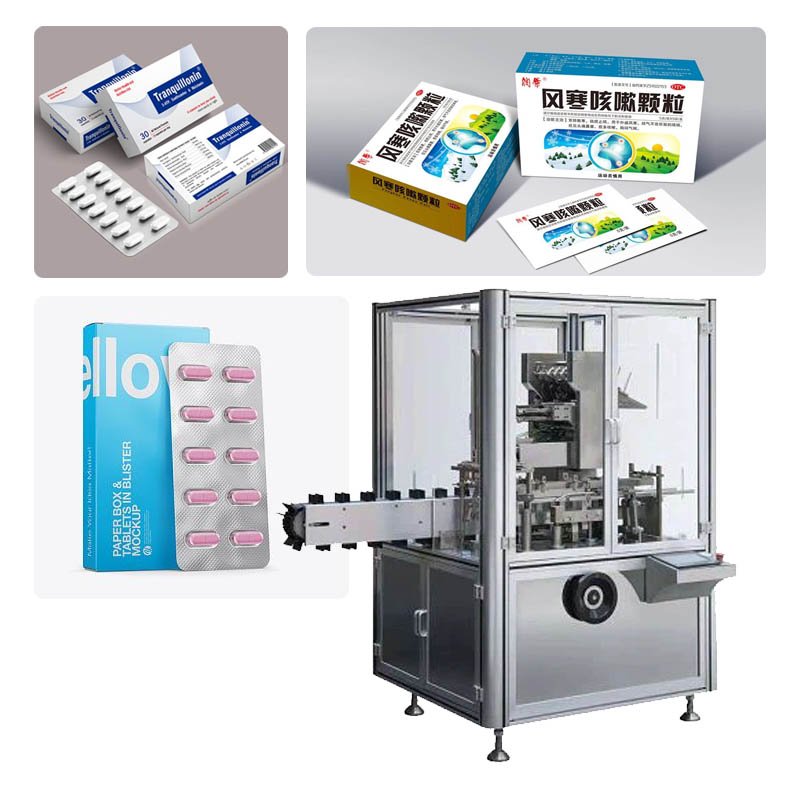
Flat & Stackable Products
- Blister packs and strips
- Sachets, soap bars and flat pouches
- Rigid, uniform items at higher speed
Frequently Asked Questions
Yes. A vertical (top-load) cartoning machine loads the product into the carton from above, so it handles upright, round and irregular-shaped products — bottles, jars, vials, pouches and odd shapes — that a side-load machine struggles with. This is the main reason to choose top-load over side-load.
Top-load (vertical) cartoning drops the product into the carton from the top, suiting upright and irregular items. Side-load (horizontal) cartoning pushes the product in from the side, suiting flat, stackable items such as blister packs and sachets. For a full machine comparison, see our vertical vs horizontal cartoning machine guide.
For flat, uniform products, side-load (horizontal) machines usually reach higher speeds. But speed only matters if the machine can handle your product at all — for upright or irregular items, a top-load machine that runs reliably beats a fast side-load machine that jams. Match the loading method to your product first, then optimise speed.
Start with your product’s shape: upright, round or irregular points to top-load (vertical); flat and stackable points to side-load (horizontal). If you’re unsure, send us a photo and the dimensions of your product and carton — our engineers will confirm the right type and quote within 24 hours.
Still Not Sure Which Cartoner Fits Your Product?
Send us a photo and the dimensions of your product and carton. Our engineers will tell you straight whether top-load or side-load is right — and quote within 24 hours.
Get a Free Quote & Advice