Pharmaceutical packaging engineering guide
Plan printing, verification, rejection, aggregation and data exchange as one controlled packaging-line system.
A buyer-focused framework for engineering, quality, IT and procurement teams preparing a serialization or traceability project.
System boundary
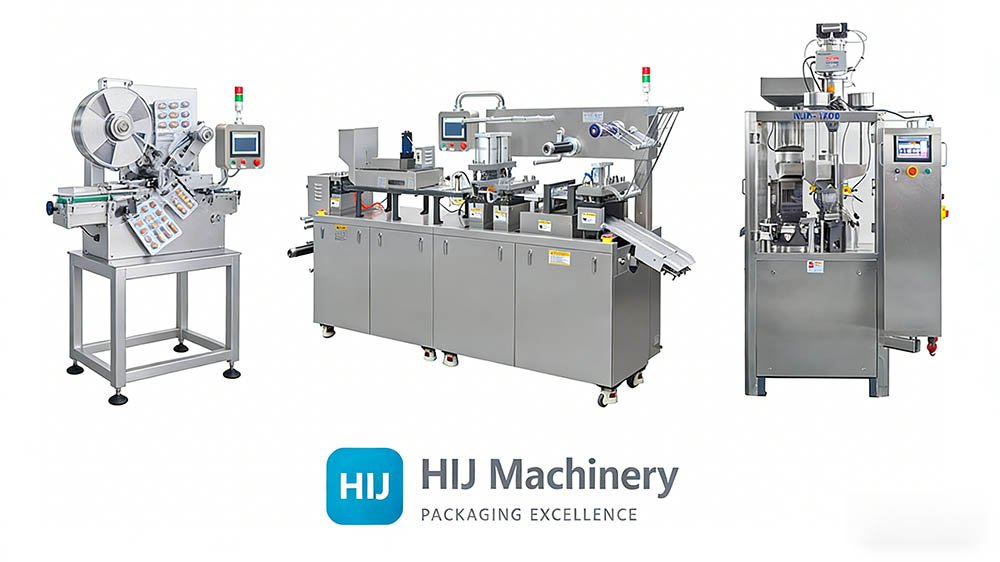
What a track and trace system for pharma packaging must connect
A pharmaceutical track and trace project is not a printer bolted onto a cartoner. It is a controlled chain that creates or receives identifiers, applies them to the correct pack, verifies readability, rejects failures, records packaging events and exchanges approved data with the required business or regulatory systems.
The packaging machine controls physical product flow. The serialization platform controls identifiers, status and event data. The vision system decides whether the printed carrier passes its inspection rules. A successful project defines exactly where these responsibilities meet—and what happens when one layer stops or disagrees with another.
Product, leaflet, carton, bundle and case must remain associated through every transfer, buffer and reject point.
Printing, grade or readability checks, OCR/OCV rules and reject confirmation need a documented acceptance method.
Serial status, parent-child relationships, audit trail, batch records and exception handling must match the approved data architecture.
Architecture
Six controlled steps from identifier to shipment
Design the stop-and-recovery path first
Normal running is only one state. Define the result of a printer fault, unreadable code, duplicate identifier, camera obstruction, network loss, reject-bin-full alarm, emergency stop and manual sample removal. Each event needs an owner, a safe machine state and a controlled recovery step.
For U.S. prescription-drug supply chains, the FDA describes DSCSA as an electronic and interoperable approach to identifying and tracing certain prescription drugs at package level. FDA guidance also discusses secure electronic exchange and recommends GS1 EPCIS for enhanced data exchange. In the EU, the Falsified Medicines framework uses safety features that include a unique identifier and an anti-tampering device on applicable outer packaging.
Line integration
Assign responsibilities at each packaging station
| Station | Typical traceability task | Critical interface question | Acceptance evidence |
|---|---|---|---|
| Primary pack | Lot/date coding or pack identity where required by the approved design | Does the code belong on lidding foil, label, container or a later carrier? | Artwork, code placement and legibility samples |
| Cartoner | Apply and verify the saleable-unit identifier | How is a code linked to the physical carton before product insertion and closing? | Good-code and bad-code challenge set |
| Vision inspection | Read code, check content and trigger rejection | Which attributes are verified: presence, match, readability, OCR/OCV or grading? | Defined inspection rules and stored results |
| Reject system | Remove nonconforming packs and update status | How is reject actuation and successful removal confirmed? | Reject confirmation and bin-full challenges |
| Bundle / case | Create aggregation relationships when required | How are child units associated with the parent without uncontrolled substitution? | Aggregation, rework and deaggregation tests |
| Site data layer | Manage orders, serial pools, events and reports | Which system is authoritative during network loss or partial batch recovery? | Interface logs, audit trail and reconciliation report |
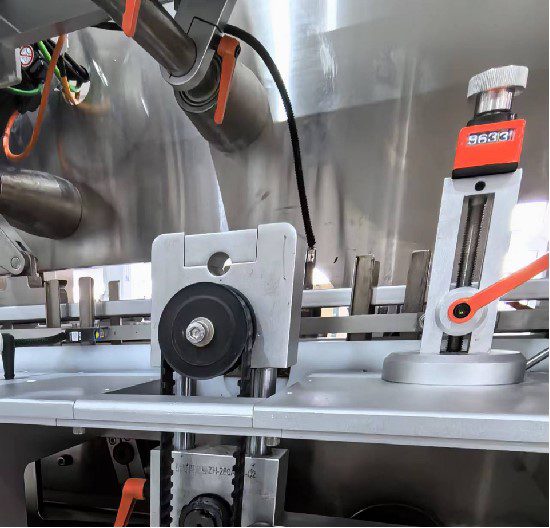
Map these stations against the actual line. A blister packaging machine, cartoning machine, labeler and case packer may come from different suppliers, but the final line still needs one agreed event sequence.
Printing specification
Define the data carrier before selecting the printer
Start with the approved artwork and destination-market data requirements. Record code type, encoded data, human-readable text, print area, substrate, contrast, orientation and the distance between printing and inspection. Preprinted artwork, online variable data and batch coding are different layers and should not be mixed in one vague requirement.
For the preprinted-versus-inline decision, review the blister packaging printing guide.
Inspection and rejection
Verification must control the physical pack—not only read a code
A successful decode does not prove that the correct code is on the correct product. The inspection design should verify the required data against the active order, associate the result with the actual carrier and maintain control through rejection or acceptance.
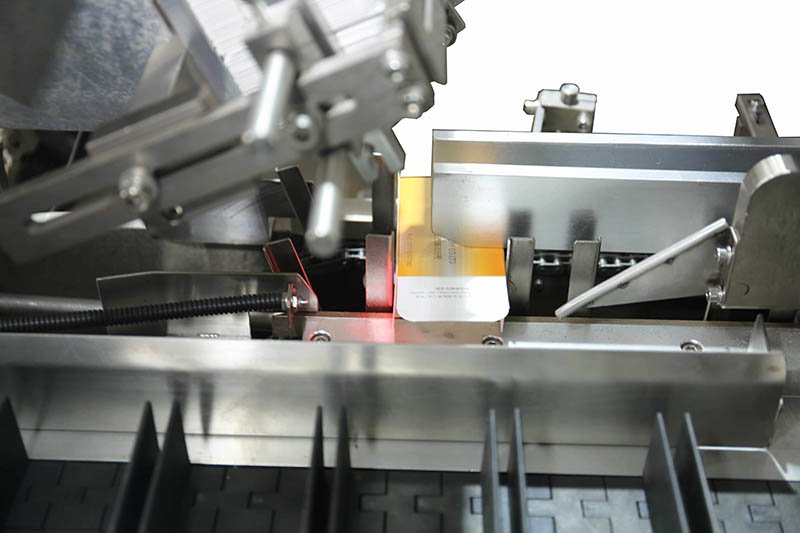
Specify camera trigger, lighting, field of view, carrier presentation, maximum line speed, acceptable code orientation and the exact inspection result returned to the line controller. If a failed carton remains between the camera and reject device during a stop, the recovery procedure must preserve its identity.
My insight
The most dangerous gap is the distance between “camera says fail” and “failed pack is physically removed.” Treat that section as a controlled tracking zone. Count, position or otherwise track every carrier, then confirm the reject—not just the command to reject.
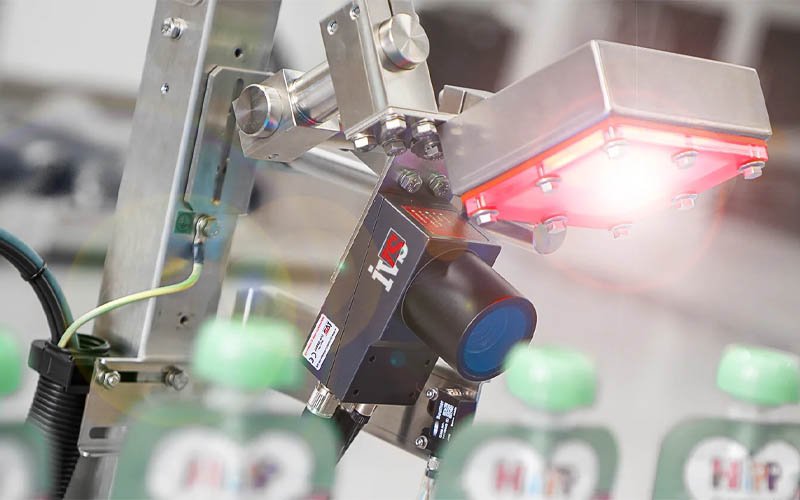
Use the blister machine vision inspection guide to define inspection points, challenge samples and reject evidence.
Aggregation and rework
Parent-child data must survive real production handling
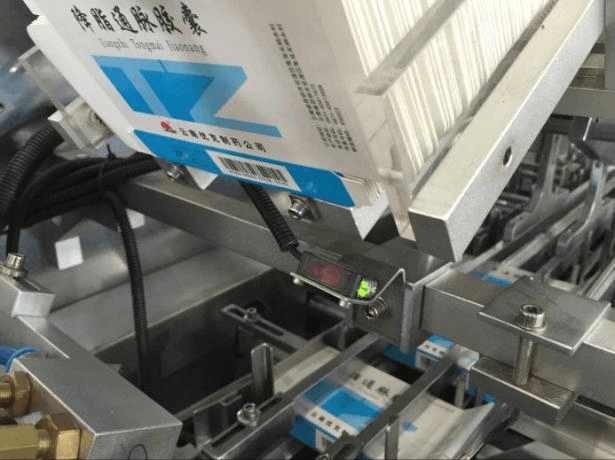
Aggregation associates saleable units with bundles, cases or pallets. Whether it is legally required, commercially required or not used at all depends on the destination and supply-chain design. Do not purchase aggregation functions solely because they appear on a generic specification.
When aggregation is in scope, define incomplete cases, sample removal, damaged carton replacement, case reopening, rework, deaggregation and partial-batch closure. The physical handling rule and the data transaction must remain aligned.
URS checklist
Fifteen inputs to define before requesting quotations
- Products, packaging levels and destination markets
- Applicable regulatory and customer requirements
- Code carrier, artwork and approved data content
- Batch sizes, SKU count and changeover frequency
- Required output as good packs per minute
- Existing/new machines and mechanical interfaces
- Printing, camera and reject positions
- Code verification and grading method
- Tracking zone and reject confirmation
- Aggregation levels and rework rules
- Site, line and external system interfaces
- User roles, recipes and audit-trail requirements
- Network-loss and data-buffering strategy
- Reports, electronic records and retention scope
- FAT/SAT, documentation and qualification support
Need an interface review before RFQ?
Send the product flow, packaging levels, code carrier, line speed, data architecture and acceptance requirements.
FAT strategy
Challenge abnormal states, not only successful production
A useful FAT demonstrates that the line detects, contains, records and recovers from defined failures without losing the association between product, identifier and status.
Run missing, blurred, low-contrast, incorrect and duplicate-code samples against the approved inspection rules.
Interrupt the reject path, fill the reject bin and challenge a pack that remains in the controlled zone after a stop.
Define whether the line stops, buffers data or completes a controlled cycle—and how reconciliation occurs after recovery.
Attempt to load incorrect artwork, product data or camera recipes and verify the required authorization and alarms.
Test an incomplete case, child removal, replacement, rework and deaggregation according to the approved workflow.
Reconcile commissioned, printed, accepted, rejected, sampled, destroyed and unused identifiers before closure.
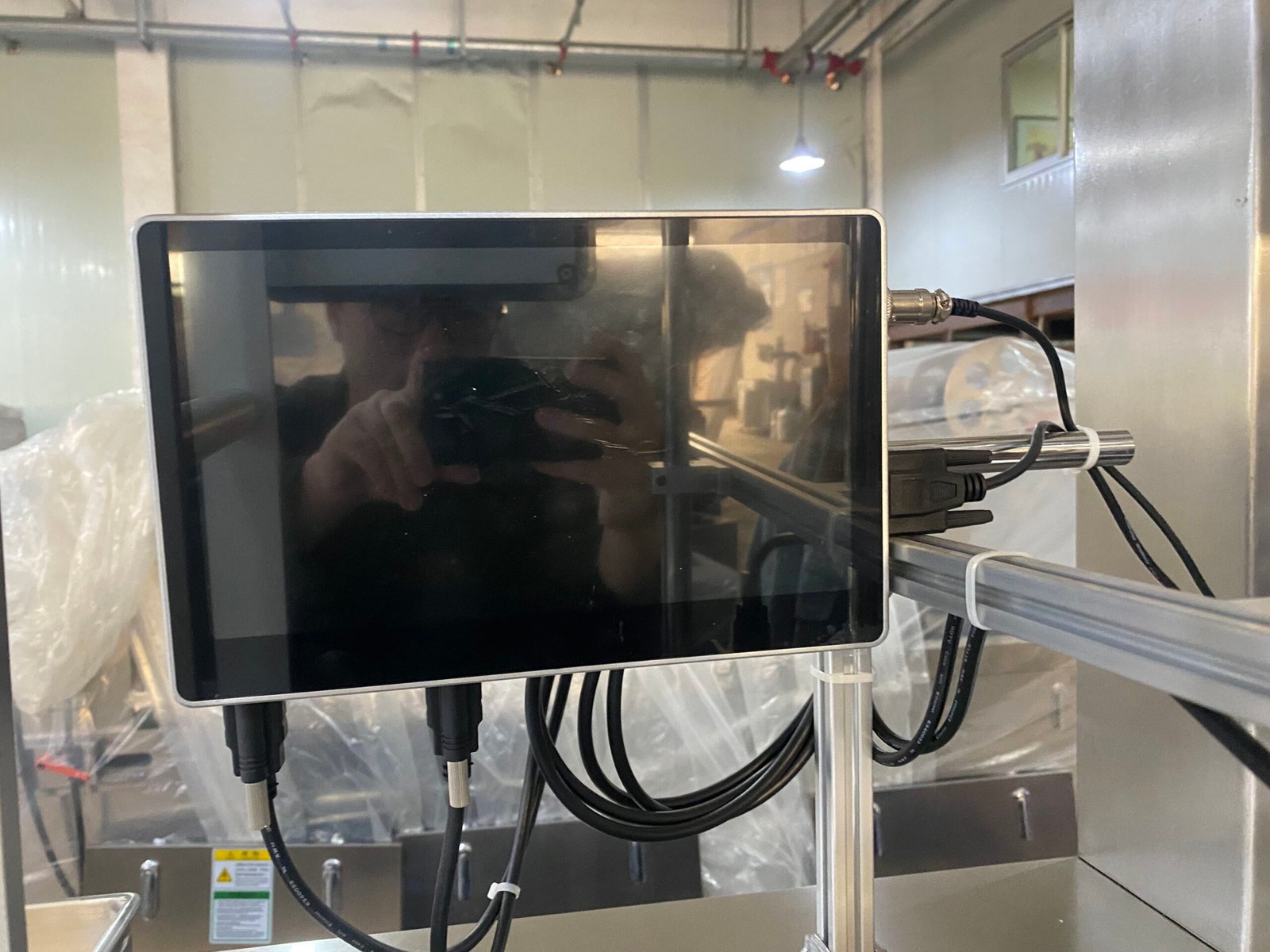
Build the FAT around approved user requirements and interface specifications. The blister machine process guide helps identify the primary-pack stations that must be included in the line sequence.
Quotation comparison
Separate machine, integration and data-platform scope
| Scope block | Quotation should identify | Common omission |
|---|---|---|
| Packaging machines | Cartoner, conveyor, labeler, bundler, case packer and line-control modifications | Mechanical and electrical changes to existing equipment |
| Printing and vision | Printer, consumables, camera, lighting, reject device, sensors and validation samples | Carrier-specific trials and inspection limits |
| Serialization software | Line management, site management, serial-number source, event handling and reporting | Licensing, users, environments and future SKU capacity |
| Integration | Protocols, messages, responsibilities, test environment, network and cybersecurity boundary | Who resolves faults between machine and software suppliers |
| Validation support | URS review, design documents, FAT/SAT protocols, traceability matrix and training | Customer-specific documentation and approval cycles |
| Lifecycle support | Backups, software updates, spare parts, remote/on-site support and change control | Response boundaries and obsolete component strategy |
My insight
Do not ask one supplier for “a compliant system” and compare only the total price. Issue one responsibility matrix. Every interface, test, document and exception must have an owner. The lowest quotation often becomes the highest integration risk when these boundaries are missing.
HIJ can review the physical packaging-line boundary and coordinate it with the buyer’s selected coding, inspection and data-platform architecture through the turnkey packaging solution process. Final regulatory and IT approval remains with the responsible customer teams.
Related engineering guides
Continue planning the packaging line
Buyer questions
Pharma packaging track and trace FAQ
What is a track and trace system for pharma packaging?
It is a coordinated system that applies or receives product identifiers, verifies packaging codes, controls rejects, records packaging events and exchanges approved traceability data. Its exact regulatory and technical scope depends on the product, market, packaging level and supply-chain model.
Is serialization the same as track and trace?
No. Serialization assigns a unique identity to a saleable package or another defined packaging level. Track and trace uses identifiers and event data to follow status or movement through the approved packaging and supply-chain process. A project may include serialization, verification, aggregation and data exchange as separate functions.
Which packaging machine normally carries the serialization code?
The selected carrier and market requirement determine the location. In many secondary-packaging projects, variable data is applied to the carton, but codes may also appear on labels, containers, lidding material or cases. The approved artwork and system design must define the carrier before equipment selection.
Does every pharmaceutical project require aggregation?
No. Aggregation requirements vary by market, trading partner and operating model. When aggregation is required, the URS should define parent-child levels, incomplete cases, rework, deaggregation and reconciliation. Do not assume that aggregation is mandatory for every destination.
What must the vision system verify?
The URS should state whether the camera checks code presence, encoded content, match to the active order, human-readable text, OCR/OCV, print quality or other approved attributes. It should also define lighting, trigger, speed, sample set, reject logic and stored evidence.
What happens if the network connection fails?
The approved architecture must define whether the packaging line stops, completes a controlled cycle or buffers events locally. Recovery should prevent identifier reuse, preserve physical-product status and reconcile all buffered or incomplete events before the batch continues or closes.
What should be included in a track-and-trace quotation request?
Provide products, markets, packaging levels, line layout, carriers, code data, output, printers, cameras, reject points, aggregation requirements, software layers, interface protocols, user roles, reporting needs, FAT/SAT tests, documentation and lifecycle-support boundaries.
Define the packaging-line interface before buying the track-and-trace components
Send the product flow, packaging levels, destination markets, line speed, code carrier, inspection points, aggregation scope, data architecture and required FAT evidence.
Discuss My Packaging-Line Project