Published market forecasts point in the same general direction, but their totals are not directly comparable. A factory investment still depends on the product, carton, leaflet, accepted output, line interfaces and evidence required at FAT.
Emergen Research end-load estimate, 2024 to 2034, with a reported 4.8% CAGR.
Mordor Intelligence end-load estimate, 2025 to 2030, with a reported 6.03% CAGR.
Fortune Business Insights for all cartoning machines, 2019 to 2032—not end-load equipment alone.
What Is an End-Load Cartoning Machine?
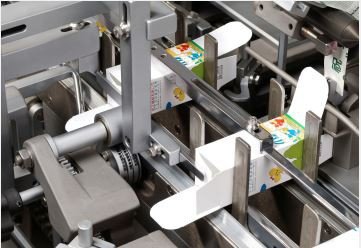
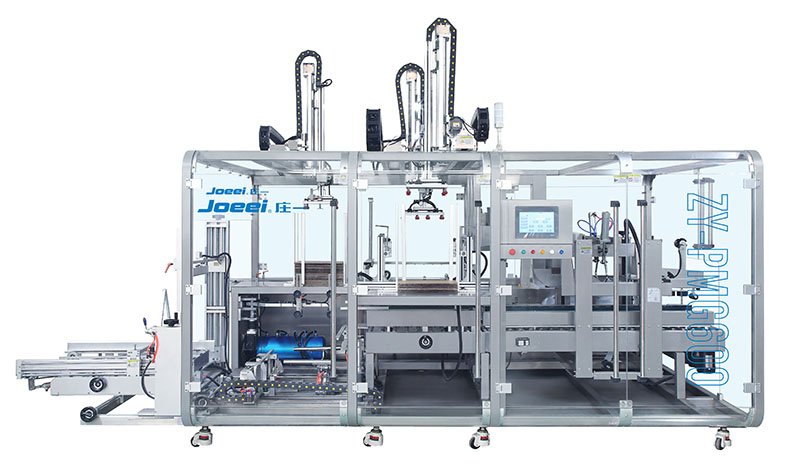
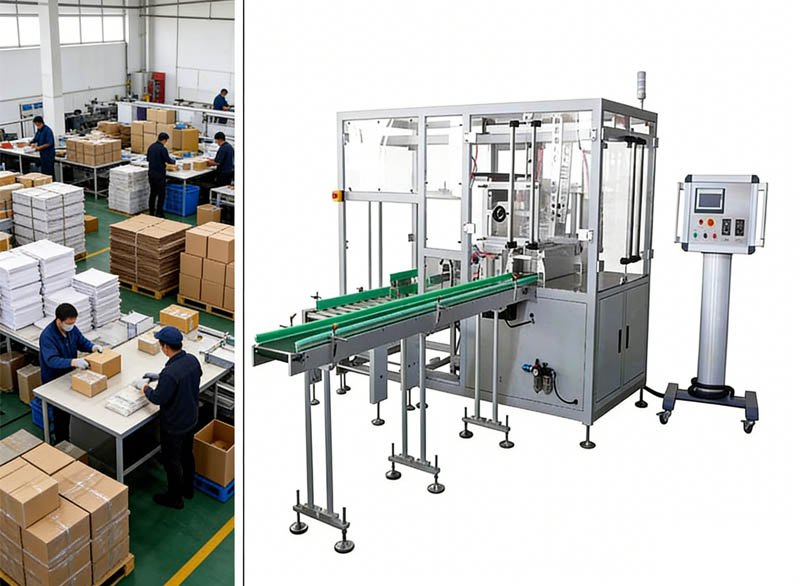
An end-load cartoner erects a flat carton, presents it horizontally and inserts a product through one end. The line may also fold and insert a leaflet, print or emboss a code, inspect the product and carton, reject an incomplete pack, close the carton and transfer it downstream.
The architecture is common for regular products that can be presented consistently: blister cards, bottles, tubes, sachets and other items with a controlled orientation. It is not automatically the best choice for every product. Unstable bundles, products that cannot tolerate pushing, complex multipacks or top-access loading may require a different feeding or cartoning route.

End-Load Cartoning Machine Market Estimates Compared
The most useful comparison is not which publisher has the largest number. It is what each publisher counts. A broad cartoning report may include vertical and horizontal equipment, while an end-load report may still combine intermittent and continuous machines, multiple automation levels, services and regional assumptions.
| Publisher | Reported scope | Published estimate | How a buyer should use it |
|---|---|---|---|
| Emergen Research | End-load cartoning machines | USD 1.8B in 2024 to USD 2.9B in 2034; 4.8% CAGR | Directional end-load demand signal; review segmentation and revenue inclusions. |
| Mordor Intelligence | End-load machines by orientation, speed, automation, end use and region | USD 2.91B in 2025 to USD 3.91B in 2030; 6.03% CAGR | Useful for segment questions, but still dependent on the publisher’s model. |
| Fortune Business Insights | All cartoning machines, including horizontal/end-load and vertical/top-load | USD 2.4B in 2019 to USD 3.9B in 2032; 4.1% CAGR | Broad cartoning context, not an end-load-only capital benchmark. |
| PMMI | U.S. packaging-machinery shipments | USD 10.9B in 2023; cartoning, multipacking and case packing among the four best-selling categories | Independent machinery-investment context, not a global market-size estimate. |
Why Published Forecasts Disagree
Some studies equate end-load with horizontal cartoning. Others include vertical end-load formats or separate them by orientation.
New machines, integration, controls, parts and service may be counted differently. Currency and inflation assumptions also vary.
Food, pharmaceutical, cosmetics and consumer-goods projects have different speed, inspection, documentation and service profiles.
Base years and forecast periods also matter. A five-year outlook built from 2025 is not directly comparable with a ten-year outlook built from 2024. Record the publisher, base year, forecast period, geography, included equipment and currency beside every figure used internally.
Market totals also say little about the configuration mix a particular factory will buy. One project may be a stand-alone intermittent cartoner with manual product loading. Another may include automatic feeding, leaflet handling, coding, vision, rejection, aggregation and a complete line-control interface. Both can appear under the same market label while carrying very different engineering and commercial scopes.
For an internal investment memo, keep the market forecast in a short context section. Put the product matrix, current labor, quality losses, capacity constraint, implementation risk and acceptance plan in the decision section. Those factory-specific inputs are more useful for selecting equipment and approving capital.
What Is Driving End-Load Cartoner Demand?
Automation and constrained labor
PMMI links packaging-machinery investment to new plants, line upgrades and changing production needs. For an end-load project, automation usually shifts operator work toward replenishment, quality checks, fault recovery and maintenance. It does not remove the need to define those tasks.
More products and shorter campaigns
A plant may need one platform to run several cartons, leaflets and product presentations. More formats increase the importance of change-part ownership, recipe control, adjustment references, tooling storage and a witnessed changeover test.
Paperboard and sustainability changes
Recycled content, coating, caliper, grain direction, crease quality and dust can change how a carton separates, opens, travels and closes. New board should be tested as a production material, not accepted from a material name alone.
Inspection, coding and data expectations
Buyers increasingly ask for product presence, leaflet presence, carton verification, code inspection, reject confirmation and production data. Each function needs a defined challenge, response and retained record. A list of sensors is not an acceptance protocol.

Convert the Market Signal into a Project Definition
A market forecast can support the reason to investigate automation. It cannot select the cartoner. Use the following sequence before comparing supplier proposals.
- Freeze the product matrix. Record dimensions, weight, surface, fragility, grouping, orientation and incoming presentation for every planned SKU.
- Freeze the carton and leaflet matrix. Supply drawings, board grade, caliper, grain, crease, closure, print registration, leaflet size and folds.
- Define accepted output. State good cartons per minute after rejects for named product-carton combinations and an agreed sustained run.
- Draw the responsibility boundary. Assign product infeed, leaflet, carton magazine, coding, vision, rejection, glue, conveyors, controls and site services.
- Write the evidence plan. Define samples, challenge tests, instruments, records, deviations, retest rules and approval responsibility before FAT.
How an End-Load Cartoning Line Works
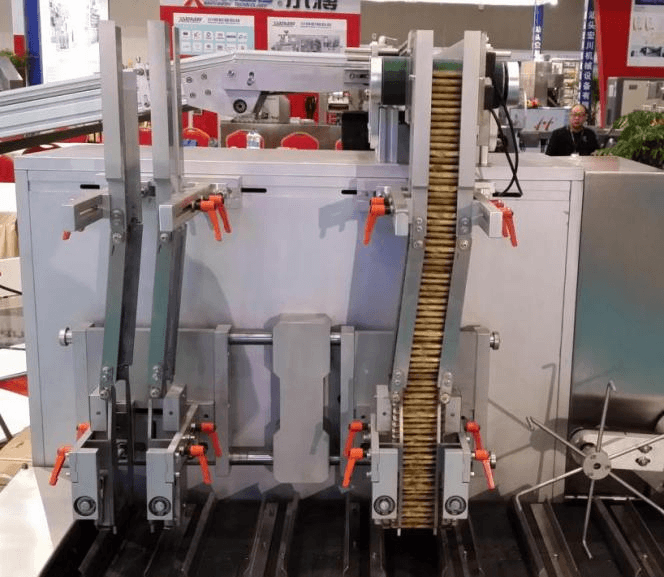
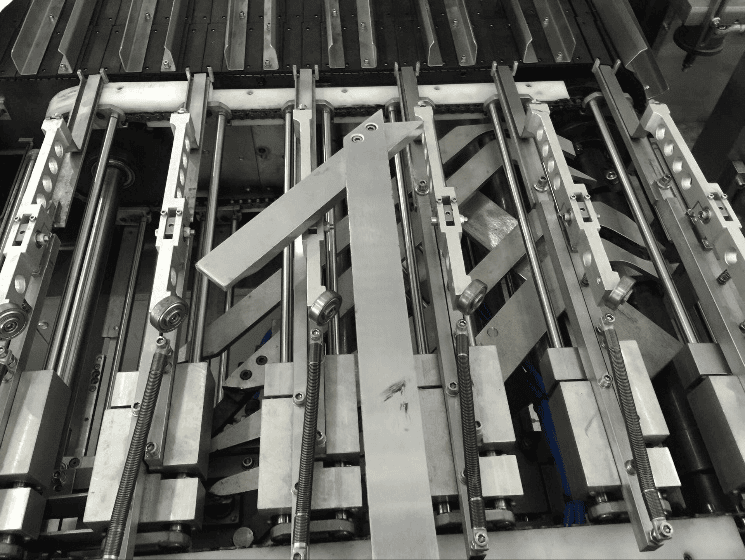
The process is a chain of dependent stations. A stable downstream carton closer cannot compensate for inconsistent product presentation upstream, and a vision system cannot create a reliable reject unless the line provides enough tracking and separation.
- Product presentation: the upstream machine or feeder delivers the correct quantity, orientation and spacing.
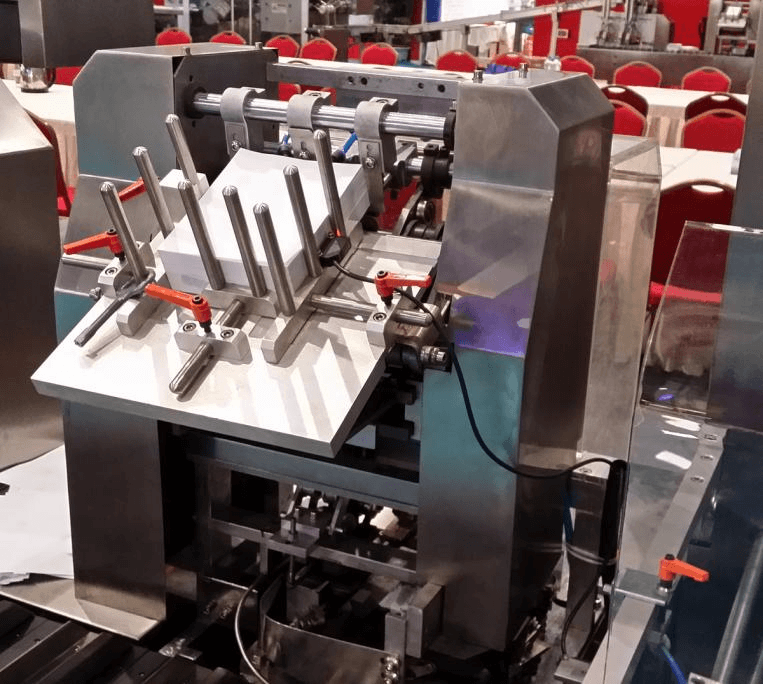
- Carton supply: flat blanks move from the magazine to the pickup point without double feeding or starving the machine.
- Carton erection: vacuum and mechanical guides open the blank and hold it square for loading.
- Leaflet preparation: the leaflet is separated, folded, transferred and confirmed before insertion.
- Product insertion: a pusher or synchronized mechanism loads the product and leaflet without damaging either.
- Coding and inspection: project-defined information is applied or checked, with a clear response to failure.
- Closure: tuck-in, glue or another approved method closes the carton within the accepted material window.
- Rejection and discharge: nonconforming cartons are segregated and good cartons transfer to the next process.
Ask the supplier to describe the state of the product and carton at every transfer. This makes it easier to assign sensors, alarms, reject logic and recovery steps. It also reveals where an upstream change could affect the cartoner’s accepted output.
WZTS-130 Reference Data for a Mid-Speed Project
HIJ’s WZTS-130 technical document provides one published platform reference. These values describe that machine, not every end-load cartoner. Final configuration and acceptance criteria must match the buyer’s product and pack.
| Procurement field | Published WZTS-130 reference | Project input still required |
|---|---|---|
| Rated output | 30–80 cartons/min | Accepted output for named products, cartons and test duration |
| Carton range | (70–200) × (30–150) × (13–70) mm, L × W × H | Drawings, tolerances, board, grain, crease and samples |
| Carton and leaflet | Carton 300–350 g/m²; leaflet 60–70 g/m²; 1–4 folds | Approved material grades, print, folded and unfolded formats |
| Utilities | 380 V / 50 Hz; ≥0.6 MPa; 120–160 L/min air; 1.5 kW main motor | Destination standard, air quality, connection and complete-line load |
| Machine envelope | 3100 × 1100 × 1550 mm; about 1400 kg | Infeed, leaflet, glue, reject, discharge, guarding and access zones |
| Controls | Siemens SIMATIC S7-200 PLC, SMART 700IE V3 HMI, SINAMICS V20 drive | Approved equivalents, language, recipes, data and interfaces |
Calculate Capacity from Accepted Output
Rated speed is a platform reference. A business case should use the accepted rate for the real product and carton after agreed rejects and stops.
Illustration: 50 accepted cartons/min × 60 × 16 hours/day × 250 days/year × 85% availability = 10.2 million accepted cartons/year.
The rate, schedule and availability above are examples, not an HIJ performance guarantee. Replace them with approved project inputs and test evidence.
Run more than one scenario when product mix or operating hours are uncertain. A conservative case can use the most difficult approved format, planned breaks, realistic changeover frequency and measured upstream availability. A higher-volume case should still respect the same line constraints instead of assuming every scheduled minute runs at catalogue speed.
Capacity should also be checked station by station. The product feeder, leaflet unit, carton opening, inspection, reject device, closure and downstream conveyor must each support the proposed accepted output. The slowest repeatable station or recurring recovery event can determine the complete line result.
Compare the Complete Cost Boundary
A quotation with the lowest base-machine price can become the higher-cost project when major interfaces remain open. Normalize the following items before comparing suppliers:
- Base cartoner, guarding, controls and standard format parts.
- Product feeder, leaflet folder, carton magazine, coding and closure equipment.
- Inspection, rejection, reject confirmation and downstream transfer.
- Change parts for every approved format and the required tooling storage.
- URS response, drawings, manuals, certificates in scope and FAT documentation.
- Samples, trial materials, travel, commissioning, training and site acceptance support.
- Spare parts, preventive maintenance, remote support and local service responsibility.
Record which costs are fixed, estimated or dependent on final samples. Tooling, feeding and vision scope often remain uncertain until drawings and representative materials are approved. Keeping those items visible helps procurement compare proposals without treating an unresolved allowance as a completed design.
Delivery dates should be compared against the same milestones: approved URS, receipt of samples, design freeze, drawing approval, FAT readiness, shipment, installation and site support. A short headline lead time is not useful when its starting point and buyer dependencies are undefined.
For a wider capital-planning method, use the packaging-machine ROI calculator and replace every default with your own approved assumptions.
Supplier Comparison Questions
| Decision | Question to ask | Evidence to retain |
|---|---|---|
| Product feeding | How is each product received, oriented, grouped and confirmed? | Approved layout, sample list, trial result and intervention record |
| Carton opening | Which board, blank and crease extremes are included? | Material lots, settings, failed-open records and accepted samples |
| Leaflet handling | Which leaflet sizes, folds and detection responses are supplied? | Format matrix, challenge samples, alarm and reject results |
| Coding and vision | What is printed or read, and what happens after a failure? | Code rules, challenge set, raw results and disposition |
| Changeover | Which parts, tools, recipes and adjustments belong to each format? | Parts list, procedure, witnessed time and first-good-pack record |
| Line integration | Who owns signals, accumulation, blockage and restart logic? | Interface matrix, I/O list, sequence description and test results |
What to Send Before Requesting a Quotation
A useful quotation starts with controlled inputs. Sending only a target speed and a carton photograph forces the supplier to make assumptions about the most important parts of the project.
- Product information: drawings, dimensions, weight, tolerances, surface, fragility, orientation and representative samples.
- Pack information: carton and leaflet drawings, board and paper grades, print, closure, code area, folds and samples from intended suppliers.
- Production plan: SKU matrix, batch sizes, campaign frequency, scheduled hours, target accepted output and expected changeover pattern.
- Quality scope: presence checks, code verification, rejection, data, access control, documentation and acceptance criteria.
- Line interfaces: upstream presentation, downstream equipment, accumulation, signals, line-control owner and available floor space.
- Site conditions: destination voltage and frequency, compressed air, environment, language, safety expectations and access constraints.
If an input is not final, mark it as an open item with an owner and due date. A visible assumption is easier to manage than a hidden one embedded in a proposal.
Ask the quotation to separate included scope, priced options, buyer-supplied items and exclusions. This lets procurement compare the same boundary and prevents unresolved interfaces from disappearing behind one headline price.
FAT Evidence That Matters
The FAT should answer whether the approved configuration can repeatedly make acceptable cartons under agreed conditions. It should not rely on a brief demonstration at an unspecified speed.
- Identify the product, carton and leaflet lots, tooling revision and machine configuration.
- Run the smallest, largest and most difficult approved combinations.
- Agree the duration, sampling plan and accepted-output calculation before the run.
- Challenge missing product, missing leaflet, missing carton, jam and reject confirmation.
- Test controlled stop, emergency stop, restart and downstream-blockage recovery.
- Perform the planned format change with representative operators and production tools.
- Record totals, accepted cartons, rejects, waste, stops, interventions and deviations.
- Approve open items, corrective actions and retest responsibility before shipment.
When End-Load Is Not the Best Route
Do not force an end-load architecture onto a product because the market report is favorable. Compare another route when the product is difficult to push, requires vertical settling, needs top access, arrives in an unstable group or changes format too frequently for the proposed tooling concept.
The horizontal versus vertical cartoning guide explains the architecture decision. For a commercial configuration, review the horizontal cartoning machine page or the WZTS-130 automatic cartoner.
Continue the Cartoning Decision
Frequently Asked Questions
How large is the end-load cartoning machine market?
What is driving demand for end-load cartoners?
What is the difference between an end-load and a top-load cartoner?
Which products can use an end-load cartoning machine?
What speed should a buyer specify?
What information is needed for an end-load cartoner quotation?
What should an end-load cartoner FAT cover?
How should suppliers be compared?
Sources and Scope Notes
- Emergen Research, End Load Cartoning Machine Market: publisher estimate for 2024–2034.
- Mordor Intelligence, End Load Cartoning Machine Market: publisher estimate for 2025–2030.
- Fortune Business Insights, Cartoning Machines Market: broader category forecast, last updated September 7, 2026.
- PMMI, Packaging Machinery Sales Projected to Grow to New Highs Through 2027: U.S. packaging-machinery context.
- WZTS-130 reference data comes from HIJ Machinery technical documentation. Final contractual specifications and acceptance criteria depend on the approved project.
Turn the Market Case into a Testable Cartoning Scope
Send your product samples, carton and leaflet drawings, accepted-output target, line interfaces and documentation requirements. HIJ can review the configuration boundary before quotation.
Discuss My End-Load Cartoning Project