You have decided to sell your honey, gel or supplement in single-serve portions — but in which format? Stick pack, flat sachet, or easy-snap card sachet? The choice shapes your shelf presence, your filling machine, your per-pack cost and how messy the product is in a consumer’s hand. After specifying single-dose lines for food and supplement brands in 30+ countries, here is the honest comparison of the three formats, and how to pick.
Stick packs are cheapest and best for free-flowing powders and thin liquids. Flat sachets suit bulk foodservice and samples. Easy-snap card sachets are the premium choice for viscous products like honey and gels: rigid, one-hand open, drip-controlled, and the strongest shelf presence. Match the format to your product’s viscosity and your brand positioning — not just to the lowest pack cost.
Key Takeaways
- Stick pack = lowest cost, smallest footprint, but floppy and prone to drip with viscous products.
- Flat sachet = versatile and cheap, but low shelf presence and a tear-and-squeeze experience.
- Easy-snap card sachet = premium, rigid, one-hand snap-open, no drip — best for honey, gels and gifting.
- Viscosity decides a lot: thick products string and drip in floppy formats, so the rigid card controls the pour.
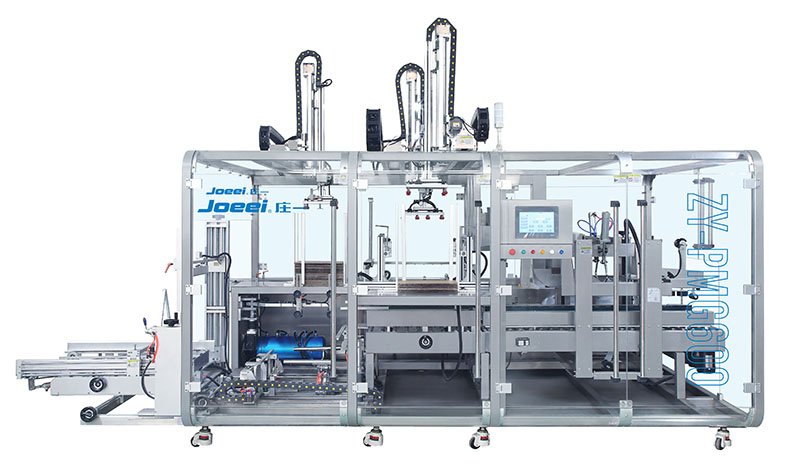
- The easy-snap sachet machine (CD120) produces the premium card format with heated dosing for viscous foods.
About the author — Forester Xiang
Forester combines deep technical knowledge with 20+ years of global market experience. Having personally audited 100+ cosmetic, pharmaceutical and food packaging factories across 30+ countries, he helps clients buy not just a machine, but a complete, compliant, and profitable packaging solution.
The Three Single-Serve Formats, Explained
Stick Pack
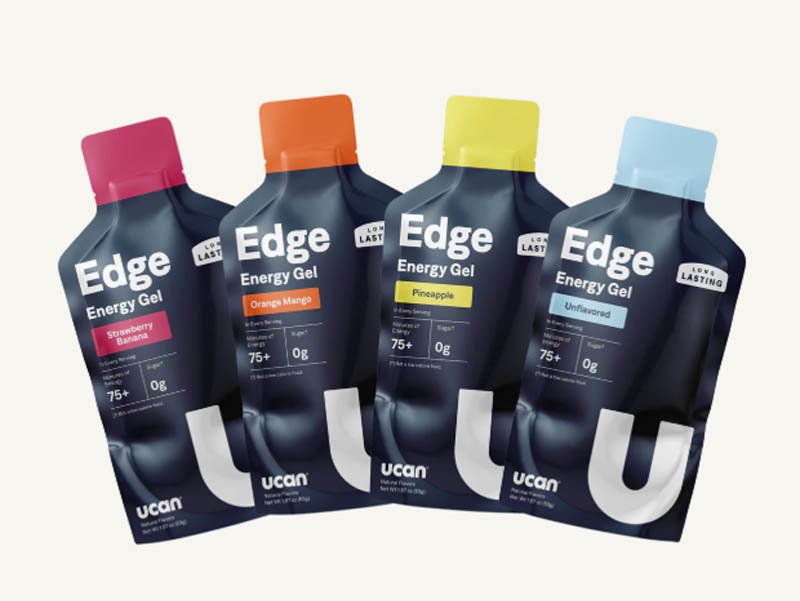
A stick pack is a long, narrow single-serve tube sealed on three sides, designed for free-flowing powders and thin liquids. It uses the least film, has the smallest footprint and the lowest pack cost, which is why coffee, sugar and electrolyte powders default to it. The weakness is rigidity: with a viscous product like honey or gel, the floppy tube offers nothing to control the pour, so it drips. Best for: powders, thin liquids, cost-driven volume SKUs.
Flat Sachet
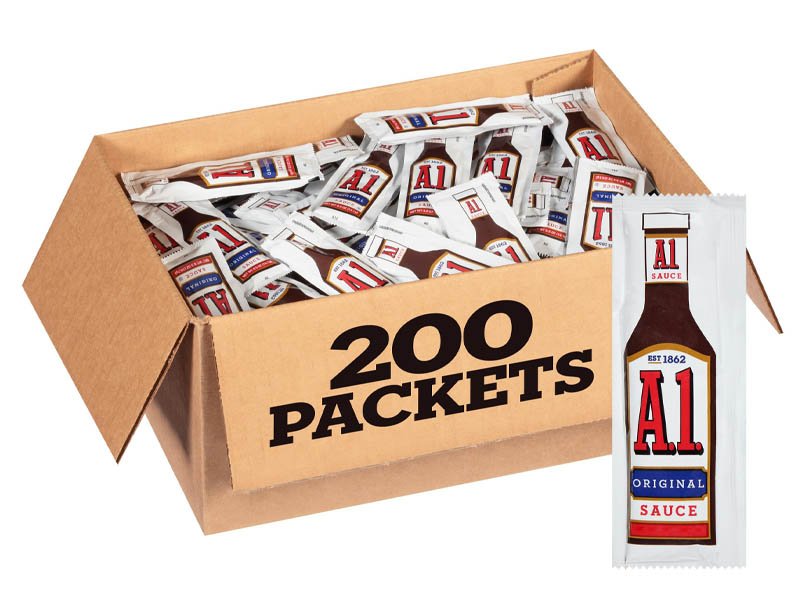
A flat sachet is a three- or four-side-sealed flat pouch, the most versatile and widely used single-dose format. It runs a huge range of products and sizes at low cost and is the standard for samples, ketchup packets and foodservice portions. The trade-off is presentation: a flat sachet reads as functional, not premium, and the tear-and-squeeze experience is messy with thick products. Best for: samples, foodservice, bulk distribution.
Easy-Snap Card Sachet
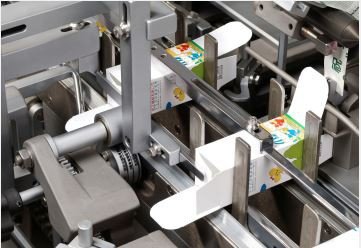
An easy-snap card sachet is a rigid card-style single-dose pack that the consumer opens with one hand by snapping along a perforation. The rigid card controls the pour, eliminates drip, and gives a premium, brandable face that stands out on a shelf or hotel tray. It is the format of choice for honey, gels and gifting, produced by a heated card-type machine like the easy-snap sachet honey packaging machine. Best for: honey, viscous gels, premium and retail positioning.
Packing honey specifically? Read how to package honey in single-serve sachets for the viscosity, heating and film details that make the easy-snap format work.
Stick Pack vs Sachet vs Easy-Snap: Full Comparison
| Criterion | Stick Pack | Flat Sachet | Easy-Snap Card |
|---|---|---|---|
| Opening | Tear top | Tear corner | One-hand snap, no scissors |
| Drip / mess control | Poor with viscous | Poor with viscous | Rigid card controls pour |
| Shelf presence | Low (floppy) | Low (flat) | Premium, rigid, brandable |
| Best product type | Powders, thin liquids | Wide range | Viscous: honey, gels, creams |
| Pack cost | Lowest | Low | Higher (premium positioning) |
| Footprint | Smallest | Small | Medium |
| Portion range | Small | Small–medium | 0.5–20 ml |
| Typical use | Coffee, sugar, electrolytes | Ketchup, samples | Hotels, cafes, retail, gifting |
Score by column and the pattern is clear: stick pack wins on cost and size, easy-snap wins on experience and presentation. For a full sachet-machine overview across product types, see our cosmetic and food sachet packaging machine page.
How to Choose Your Format
Start with viscosity
This is the deciding factor. Free-flowing powders and thin liquids run cleanly in a stick pack or flat sachet. But viscous products — honey, gels, creams, thick sauces — string and drip in a floppy format, so the rigid easy-snap card earns its premium by controlling the pour and keeping the consumer’s hands clean.
Brands almost always start the conversation at pack cost — “the stick pack is two cents cheaper.” I redirect them to the shelf and the hand. A two-cent saving means nothing if the product drips and the customer never buys it twice. For honey and gels, the rigid format is not a luxury; it is what makes the product usable, and usable is what drives repeat purchase.
Then weigh positioning
If you are competing on price in a high-volume category, the stick pack’s low cost and small footprint win. If you are building a premium or gifting brand — artisanal honey, a wellness gel, a hotel amenity — the easy-snap card’s rigid, brandable face is a sales tool, not just a container. The format is part of the product’s perceived value.
One question settles most format debates: “Where will the consumer open this, and what is in their other hand?” At a hotel breakfast, on a bike mid-ride, at a desk — if the answer is “one hand busy,” the easy-snap card’s one-hand open stops being a nice-to-have and becomes the reason they choose your product over the competitor’s messy tear-pack.
Finally, confirm the machine fits
Each format needs a matched machine. For the premium easy-snap card with viscous foods, that means heated dosing and accurate volumetric filling — the easy-snap sachet honey packaging machine (CD120) at 0.5–20 ml and ±0.1 g. Compare budgets across formats in our cosmetic packaging machine price guide.
Frequently Asked Questions
What is the difference between a stick pack and a sachet?
A stick pack is a long, narrow tube sealed on three sides, ideal for free-flowing powders and thin liquids with the lowest film cost. A flat sachet is a wider three- or four-side-sealed pouch that handles a broader range of products and sizes. The key difference is shape and pour control — sticks suit pourable powders, sachets suit varied fills.
Which single-serve format is best for honey?
The easy-snap card sachet is best for honey. Honey is viscous and strings, so it drips in a floppy stick pack or flat sachet; the rigid card controls the pour and gives a clean one-hand open with no mess. It also reads premium on a shelf or hotel tray. The easy-snap sachet honey packaging machine produces this format with heated dosing.
Is an easy-snap sachet more expensive than a stick pack?
Per pack, yes — the rigid card costs more than a thin stick. But the comparison that matters is value, not unit cost: for viscous and premium products, the easy-snap card prevents drip, drives repeat purchase, and supports a higher retail price. For cost-driven powders, the stick pack’s lower cost is the right call.
Can one machine make different sachet formats?
Generally each format has a matched machine type, because the forming and sealing geometry differs. A card-type machine like the CD120 makes easy-snap card sachets; stick packs and flat sachets run on their own form-fill-seal machines. Choose the format first, then the machine — trying to run every format on one machine compromises all of them.
What products suit the easy-snap card format?
Viscous and premium single-serve products: honey, energy and wellness gels, creams, thick sauces, liquid supplements, and cosmetic samples. Any product where drip control, one-hand convenience and premium shelf presence matter is a strong fit. The CD120 handles 0.5–20 ml at ±0.1 g with built-in heating for viscous foods.
Not Sure Which Format Fits Your Product?
Send me your product, viscosity and target portion size. I’ll tell you straight which single-serve format wins for your case — and run your samples before you commit.
Get a Free Format & Machine Match