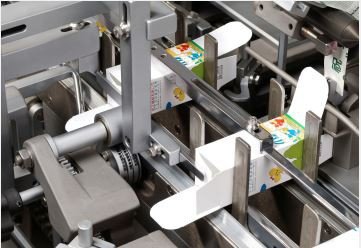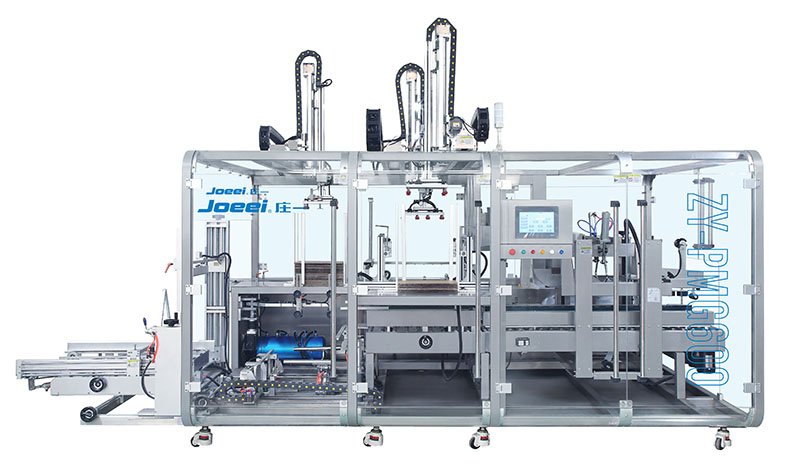
Cartons are closed in one of two ways. Tuck-in (tongue-and-slit) mechanically folds the end flap and locks a tongue into a slit — no consumables, clean, and easy in a cleanroom, but not inherently tamper-evident. Hot-melt glue bonds the flaps with adhesive for a strong, tamper-evident and premium finish, at the cost of glue consumables and a little more maintenance. Choose tuck-in for simple, cost-sensitive or cleanroom lines; choose hot-melt when tamper evidence, a premium look, or a secure bond matters.
Every cartoning machine has a closing station, and the sealing method you pick there affects your consumables cost, your line’s cleanliness, your shelf presentation and — importantly for regulated products — whether the pack is tamper-evident. This guide compares the two methods used on a horizontal cartoning machine, so you specify the right one the first time.
- Two methods: tuck-in (mechanical) and hot-melt glue (adhesive).
- Tamper evidence is the biggest differentiator — hot-melt provides it, tuck-in does not.
- Tuck-in has no consumables and suits cleanrooms; hot-melt needs glue and a little upkeep.
- Hot-melt gives a premium, secure finish preferred in cosmetics and many pharma markets.
- Market rules decide for you where tamper evidence is mandated — check before choosing.
- Many machines, including the HIJ-120HC, offer tuck-in standard and hot-melt as an option.
Where sealing happens
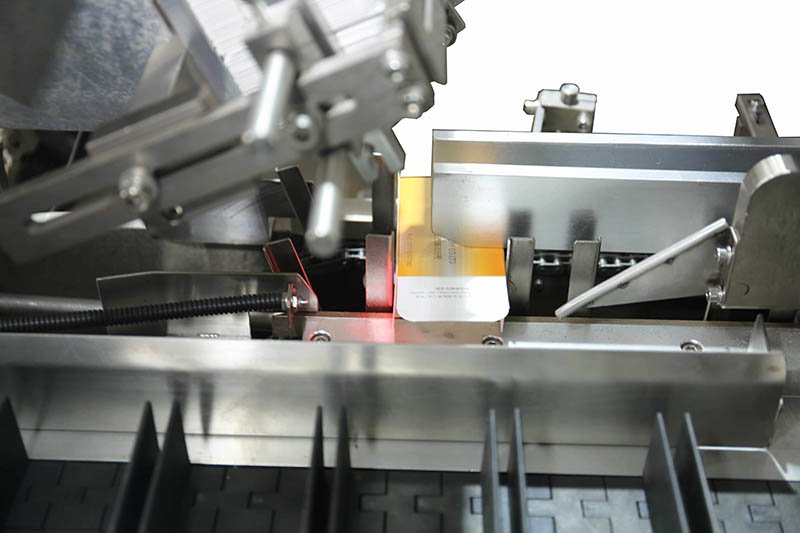
Sealing is the second-to-last station: after the product and leaflet are loaded, the carton’s end flaps are closed and secured, then the finished carton is discharged. The mechanism at this station — mechanical tuck or glue application — is what this article compares. To see it in the full cycle, read how a horizontal cartoning machine works.
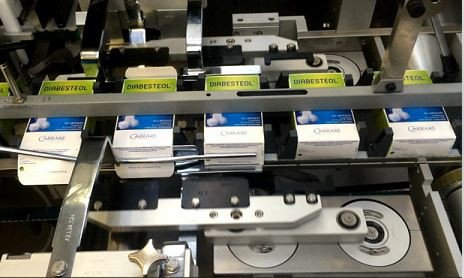
Tuck-in and hot-melt glue explained
Mechanical closure
The end flap is folded and a tongue is tucked into a matching slit, holding the carton closed by mechanical interlock — no adhesive involved.
No consumables, low running cost, clean and cleanroom-friendly, easy to open and reclose.
Not inherently tamper-evident, and a slightly less “premium” closed feel.
Adhesive closure
A precise dot or bead of hot-melt adhesive bonds the flaps. Once set, opening the carton breaks the bond, providing visible tamper evidence.
Tamper-evident, strong secure bond, premium finish, good for shipping and shelf integrity.
Glue consumable cost, glue-pot maintenance, and correct temperature/pattern setup needed.
Tuck-in vs hot-melt: side-by-side
| Factor | Tuck-In | Hot-Melt Glue |
|---|---|---|
| Closure type | Mechanical tongue-and-slit | Adhesive bond |
| Tamper evidence | No (unless a separate seal is added) | Yes — opening breaks the bond |
| Consumables | None | Hot-melt glue |
| Cleanroom fit | Excellent — no adhesive | Good, with glue management |
| Finish / presentation | Standard | Premium, tightly closed |
| Maintenance | Minimal | Glue-pot upkeep, nozzle cleaning |
| Running cost | Lower | Higher (glue + upkeep) |
| Best for | Simple, cost-sensitive, cleanroom SKUs | Tamper-evident, premium, secure packs |
Not sure which sealing method your product needs?
Tell us your product, market and presentation requirements — we’ll recommend tuck-in or hot-melt and quote within 24 hours.
When to choose each
Choose tuck-in when…
Tamper evidence isn’t required, running cost matters, or you want a clean, consumable-free closure for a cleanroom pharma line.
Choose hot-melt when…
Your market mandates tamper evidence, or you want a premium, securely closed pack — common in cosmetics and many OTC and pharma products.
Keep both open when…
You run mixed SKUs. Machines like the HIJ-120HC offer tuck-in as standard and hot-melt as an option, so you can switch by product.
Industry patterns help but don’t decide it for you: premium cosmetic lines lean hot-melt for finish and tamper evidence, while many pharma blister lines use tuck-in in the cleanroom then apply tamper evidence separately where required. Always confirm your specific market’s tamper-evidence rules first.
“The sealing mistake that costs the most is choosing tuck-in to save on glue, then discovering a target market requires tamper-evident packaging. I’ve watched a buyer specify a tuck-only machine, win a new export market, and then have to retrofit a hot-melt unit under time pressure. Decide the tamper-evidence question before you decide the sealing method — and if there’s any chance you’ll need it, specify a machine that can run both. The option costs far less than a retrofit.”
Read next
To place sealing in context, see how a horizontal cartoning machine works and, if you’re still choosing a machine type, horizontal vs vertical cartoning. Explore full configurations on the horizontal cartoning machine page or the cartoning machines hub.
Frequently asked questions
What is the difference between tuck-in and hot-melt carton sealing?
Tuck-in (tongue-and-slit) closes the carton mechanically by folding the flap and locking a tongue into a slit, using no adhesive. Hot-melt glue bonds the flaps with adhesive. The main practical difference is tamper evidence: hot-melt is tamper-evident because opening breaks the bond, while tuck-in is not unless a separate seal is added.
Which carton sealing method is tamper-evident?
Hot-melt glue is tamper-evident because opening the carton breaks the adhesive bond, leaving visible evidence. Tuck-in closure is not inherently tamper-evident, so if your market requires tamper evidence you should use hot-melt or add a separate tamper-evident seal.
Is tuck-in or hot-melt cheaper to run?
Tuck-in is cheaper to run because it uses no consumables and needs minimal maintenance. Hot-melt has ongoing glue consumable costs plus glue-pot and nozzle maintenance. The trade-off is that hot-melt provides tamper evidence and a more premium, secure finish.
Can one cartoning machine do both tuck-in and hot-melt?
Yes. Many horizontal cartoners, including the HIJ-120HC, offer tuck-in as standard and hot-melt glue as an option, so you can select the method by product or SKU. Specifying both up front is far cheaper than retrofitting a glue unit later if requirements change.
Which sealing method is best for pharmaceutical cartons?
It depends on the market and product. Many pharmaceutical lines use tuck-in in the cleanroom for its clean, consumable-free closure, then apply tamper evidence separately where required. Where a securely bonded, tamper-evident carton is mandated, hot-melt glue is used. Confirm your market’s tamper-evidence rules before deciding.
Does hot-melt glue slow down the cartoning line?
No. Hot-melt application is designed to run at full line speed on a continuous-motion cartoner. It does add glue management and setup of the correct temperature and glue pattern, but it does not inherently reduce throughput compared with tuck-in closure.
Specify the right carton closure for your market
Share your product, market and tamper-evidence needs. Real engineering response within 24 hours.