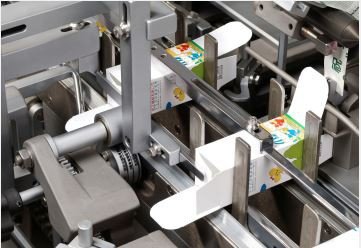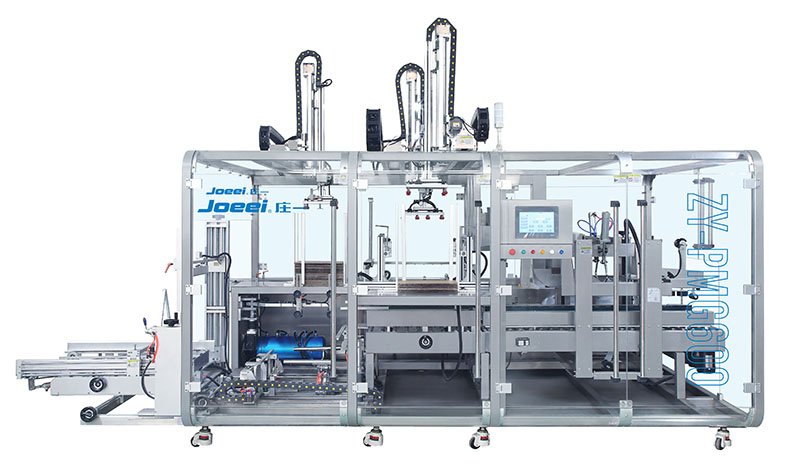
Choose bag in box horizontal cartoners around the filled bag, its supported loading path and the way your line recovers after a stop.
A flexible bag changes shape as its contents settle. That makes the transfer into a folding carton a separate engineering question from the cartoner’s advertised speed. Start with filled samples, the carton drawing and the accepted bag supply reaching the feeder.
Specify how many bags go into each carton, their loaded orientation and the maximum filled dimensions. Then agree a trial that follows the bags through collection, loading, closure and restart.
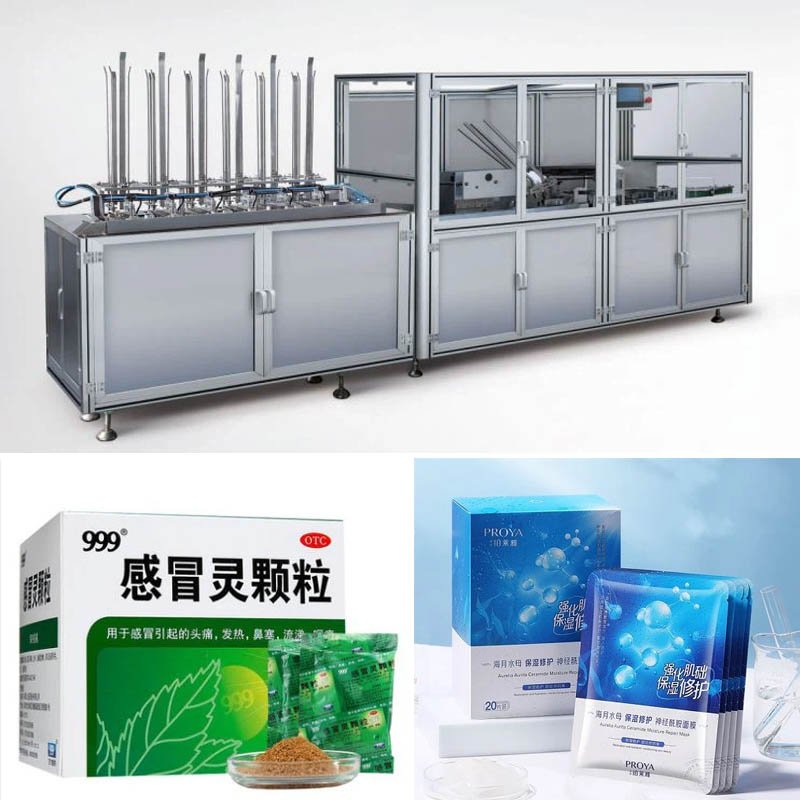
Compare reference platforms and prepare your project on our food cartoning machine page.
1. Define the scope for bag in box horizontal cartoners
This guide covers filled, sealed flexible bags or pouches loaded into folding retail cartons: for example, a dry-food inner bag, a single sealed pouch or a defined group of bags. Record the actual pack format rather than rely on “bag-in-box” as the complete specification.
A liquid dispensing bladder with a tap brings additional requirements such as tap orientation, access openings, bag support and an appropriate filling process. Identify that application at the first enquiry so the supplier can review the correct equipment boundary. A folding-carton loading proposal does not establish a liquid filling or dispensing specification.
For your retail pack, identify whether the bag arrives from a VFFS bagger, a premade-pouch filler, a flow wrapper or an offline packing area. Include any weighing or inspection equipment between primary packing and the cartoner. The delivered bag’s condition and arrival pattern should be part of the same review as its dimensions.
Define the filled shape, supported orientation, seal position and transfer into the carton.
Add the count, grouping pattern, layers and incomplete-group handling to the specification.
Define lane collection, accepted flow and recovery when one lane stops or rejects a bag.
Public manufacturer examples show why application-specific review matters: Triangle describes bag-in-box cartoning integrated with VFFS equipment, while Mpac Langen lists dedicated infeeds for several bag and pouch formats. These examples establish available industry approaches; the following checklist is a planning framework for your own project.
2. Control the filled bag before the carton opens
Send photographs and a short video of filled production bags on the proposed conveyor. An empty film sample is useful for construction details, but it does not show how the contents move, where the bag bulges or how it behaves during transfer. Include normal variation from your filling process.
Record filled length, width and thickness in the intended loading orientation. Include seal fins, gussets, a zipper or any projecting feature. Ask how the feeder will support the bag’s body and keep the seal edges clear during collection and insertion.
- Presentation: specify face up/down, leading edge, seal direction and permitted variation.
- Spacing: show the observed arrival gap and any bunching after a bagger restart.
- Shape: describe settling, trapped air, uneven fill and changes after cooling or storage.
- Surface: provide the production film and describe tackiness, condensation or powder contamination where relevant.
- Handling: identify fragile contents or printed surfaces that require inspection after loading.
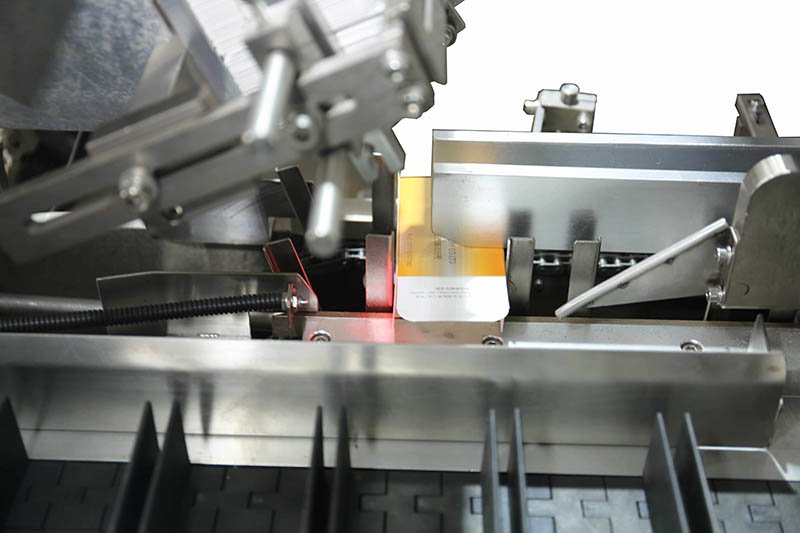
Ask the supplier to draw the transfer through each support surface, pocket, guide or handling device. The design discussion should cover how a displaced bag is detected and contained, where an operator can clear it, and how normal production resumes under the machine’s approved procedures.
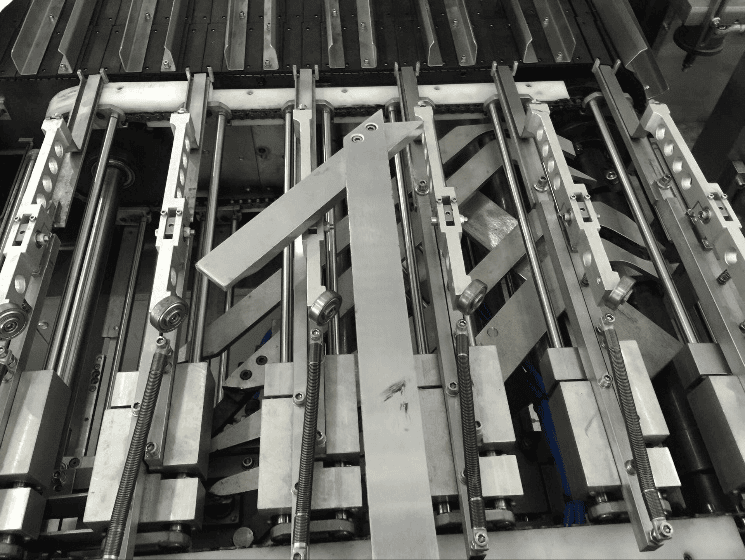
A trial should also identify the limits of any bag conditioning. Agree the acceptable final bag and product condition. If a bag needs a particular settling step or orientation upstream, write that condition into the interface scope so the proposed performance is reproducible.
For a wider comparison of conveyor, pocket and grouping approaches, use the automatic cartoner infeed systems guide. For small sachet groups and count verification, see our sachet cartoning buying guide.
3. Trial the bag and carton as one loading system
Give the supplier the carton drawing revision and filled samples in the proposed pack arrangement. Identify usable internal dimensions, opening direction, board specification, creases and closure method. The transfer into a carton has to be assessed with the opening held in the intended condition.
A bag that can be squeezed into a carton by hand has not yet passed an automatic loading test. Observe the supported approach, guide entry, insertion and release of the loading device. Inspect the bag, seal edges and carton immediately after that sequence.
| Pack feature | Trial question | Evidence to retain |
|---|---|---|
| Bulging or variable thickness | Does the full bag clear the opening and remain supported? | Filled dimensions, loading video and agreed acceptable condition. |
| Long seal fins or gussets | Are edges kept out of guides, the pusher and closing flaps? | Seal position through loading and inspection after closure. |
| Two or more bags | Is the arrangement preserved through the final transfer? | Count challenges, grouping method and loaded-carton checks. |
| Fragile or mobile contents | Does the loading method preserve agreed product quality? | Before/after samples and the buyer’s inspection method. |
| Tight carton opening | Does production board open consistently and accept the group? | Carton batch, drawing revision, defects and stop records. |
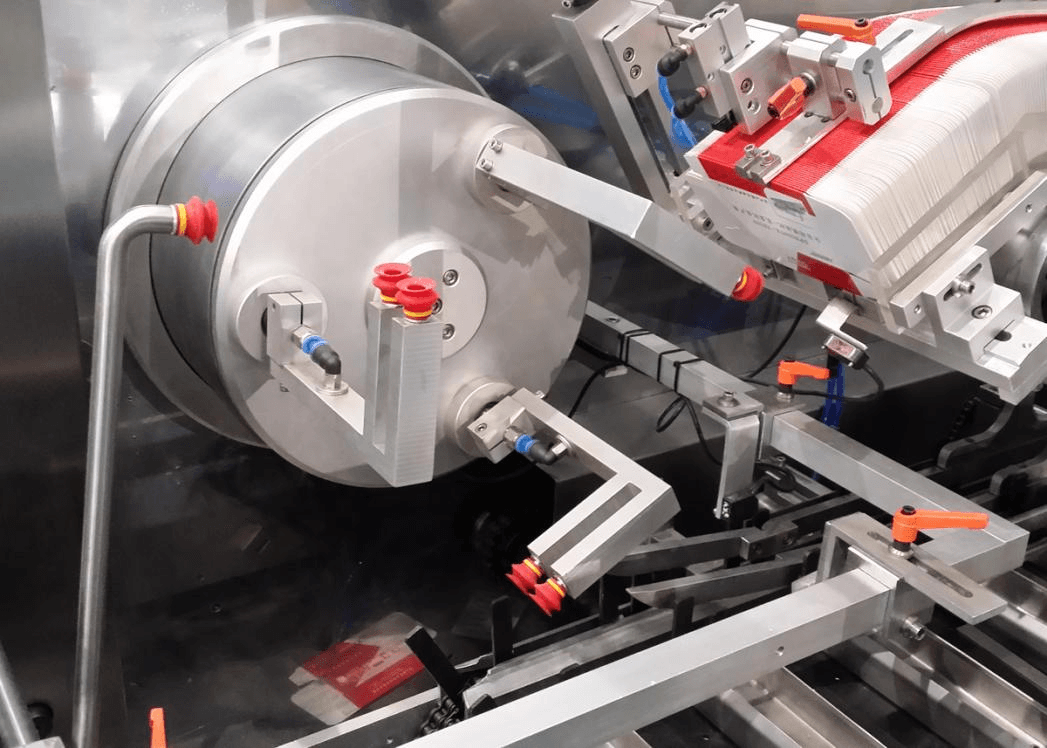
Review tuck-in or adhesive closure after successful loading. Check that the bag stays clear of the closing path and that the finished carton meets your appearance and integrity criteria. Use the carton closure comparison when defining the closure, utility and consumable scope.
Review the hardest format first
Send the fullest bag, the tightest carton and the most difficult grouping pattern. HIJ can review the questions that need a sample trial before selecting a feeding and loading configuration.
4. Match supply, cartoning rate and recovery capacity
Convert the accepted bag flow at the cartoner boundary into the required carton rate. If 80 accepted bags arrive each minute and the retail pack contains two bags, the steady supply calls for 40 cartons/min. Review that demand against an achievable loaded-carton rate with the named format.
Then check what happens during a short cartoner interruption. If the upstream equipment continues producing, bags accumulate. A buffer creates time to coordinate the machines; the usable capacity, bag support and permitted holding conditions still need an engineering review.
Bag-to-carton line recovery planner
Illustrative inputs. Enter rates measured or agreed at the same interface. The tool shows arithmetic demand and accumulation; it does not verify bag handling or select a physical buffer.
Example: after a 15-second interruption, 20 bags accumulate. Loading 45 cartons/min with two bags each consumes 90 bags/min, leaving 10 bags/min above the 80-bag supply to clear the backlog in 120 seconds.
Use the same rate boundary. Bags rejected before this interface belong outside the accepted supply count. If a rate already includes its measured losses, avoid applying the same loss again. The steady interface basis is the lower of supplied-bag carton demand and the selected loaded-carton rate; further stops and rejects can reduce the future production result.
At exactly the supply demand, the cartoner has no spare rate to clear an existing backlog while upstream continues. Agree a recovery strategy: reduced upstream supply, a suitable temporary higher cartoning rate demonstrated with the product, or coordinated stopping. A faster nominal machine setting is useful only when the feeder, loading, closure and downstream path support it.
Include starvation, downstream blockage and restart signals in your bag in box packaging line planning. Define which machine stops, what happens to an incomplete group and how accepted flow is restored.
5. Use a sample trial to resolve the buying risks
Agree representative samples with the supplier before scheduling the trial. Include filled bags, production carton blanks, required inserts and the format variants that are likely to challenge handling. Record material batches and drawing revisions so your team can identify what was actually demonstrated.
- Run the intended format: observe bag presentation, support, loading and closure together.
- Challenge normal variation: include agreed changes in filled shape, arrival spacing and production carton behaviour.
- Check count control: for grouped bags, introduce the agreed incomplete or excessive group and record detection and rejection.
- Pause and restart: observe interruption, accumulated bags, incomplete groups and the first accepted cartons after recovery.
- Measure accepted output: retain elapsed time, accepted cartons, rejects and stop reasons for the same test boundary.
- Inspect the product: check filled-bag seals, content condition, print surfaces and finished carton appearance against your approved criteria.
An early feasibility trial helps choose the handling concept. Your purchased machine’s FAT should confirm the offered configuration against an agreed protocol. Use the cartoning machine FAT checklist to define test evidence, deviations and retesting.
Plan format changeover around the whole path
Include feeder settings, pockets or guides, carton opening, loading alignment, closure and verification samples in the changeover review. Identify tools, format parts and stored recipes. Record when the next format produces accepted cartons, including setup and checks within the agreed timing boundary.
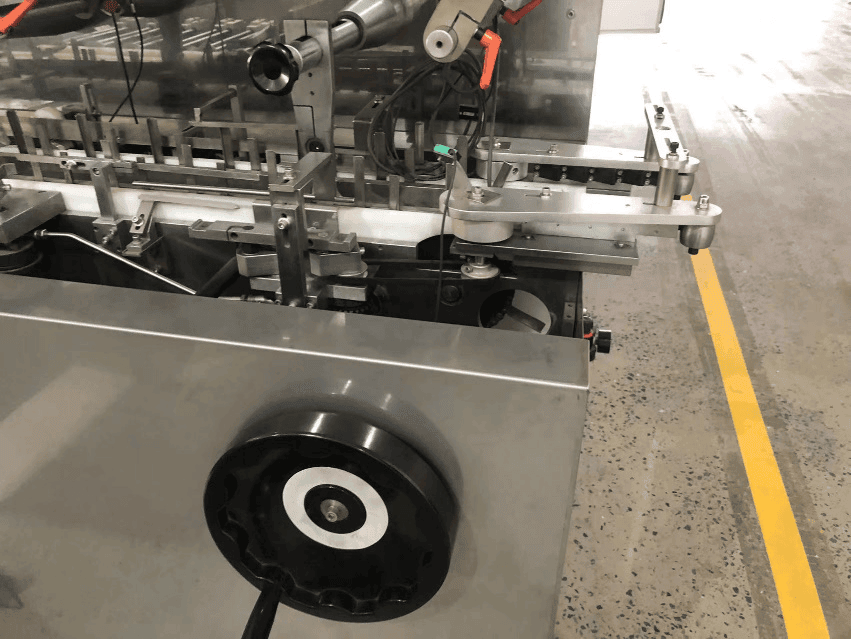
Review cleaning and access with the actual food product and plant procedures. Sealed primary packs can still leak or leave residue at the transfer area. State the intended cleaning method and service clearances; confirm which assemblies and materials suit those conditions. Our cartoning changeover guide provides a broader format-control checklist.
6. Request a configuration and quotation with clear boundaries
Ask for an itemised proposal identifying the base cartoner, bag infeed, grouping and support devices, format parts, inserts, closure, coding, configured inspection and line interfaces. Include trial/FAT evidence, documents and site-service scope in the same comparison. Current commercial terms should come from the project quotation.
A useful first enquiry can start with a product photograph and the intended count per carton. Mark dimensions, rates and open questions that are still being confirmed. Compare the available HIJ food cartoning platforms and the horizontal cartoning route before requesting a product-specific review.
Prepare your bag cartoning machine enquiry
Optional fields. The current planner values are included in the summary as planning inputs. Review the text before sending it.
Bag-in-box cartoning review request
Please review my filled bag, carton and intended loading arrangement.
Bag-in-box horizontal cartoners: buyer questions
Can one bag-in-box cartoning machine handle different bag sizes?
Review each filled bag and carton arrangement, including the format extremes. The required feeder, supports, pockets, guides and loading parts may change. Ask for an approved format list and the parts, adjustments and verification checks needed for changeover.
Is a pouch cartoning machine selected from the empty pouch dimensions?
Filled dimensions and behaviour are essential inputs. Include contents settling, seal fins, gussets and normal variation. Empty film dimensions alone do not establish the supported group or the clearance needed during automatic loading.
Can a horizontal cartoner load two or more bags into one carton?
The grouping and loading configuration must be assessed with the actual bags. Specify count, layers and orientation, then trial the group through collection, insertion and closure. Demonstrate the response to an incomplete or incorrect group.
How much bag accumulation should the line allow?
For a defined interruption with upstream still running, the arithmetic accumulation is accepted bags/min multiplied by interruption seconds and divided by 60. Round upward for a whole-bag planning count. Usable buffer capacity, holding conditions and the recovery strategy require an application review.
Will the bagger speed determine the cartoner speed?
Divide accepted bag supply by bags per carton to obtain the steady carton demand. Compare that demand with the loaded-carton rate proven for the format. Review spare recovery capacity, stops, rejection and downstream handling at the same measurement boundary.
What should I send before requesting a quotation?
Send filled-bag photos or video, filled dimensions and variation, bag count and arrangement, a carton drawing, accepted supply, target output, upstream equipment, closure and inspection requirements, and available samples. Identify open requirements so the supplier can propose the appropriate review or trial.
Technical references
The manufacturer pages below illustrate industry approaches to bag integration and supported loading. Their proprietary mechanisms and performance claims are specific to their machines. The planning questions and arithmetic tool in this guide do not assign those specifications to HIJ equipment.