Dosage form first · Equipment selection
A pharmaceutical filling machine doses product into capsule shells or primary containers. Match the formulation, pack and closure to the filling and contamination-control requirements.
Compare four equipment routes, metering methods and acceptance tests before shortlisting a system.
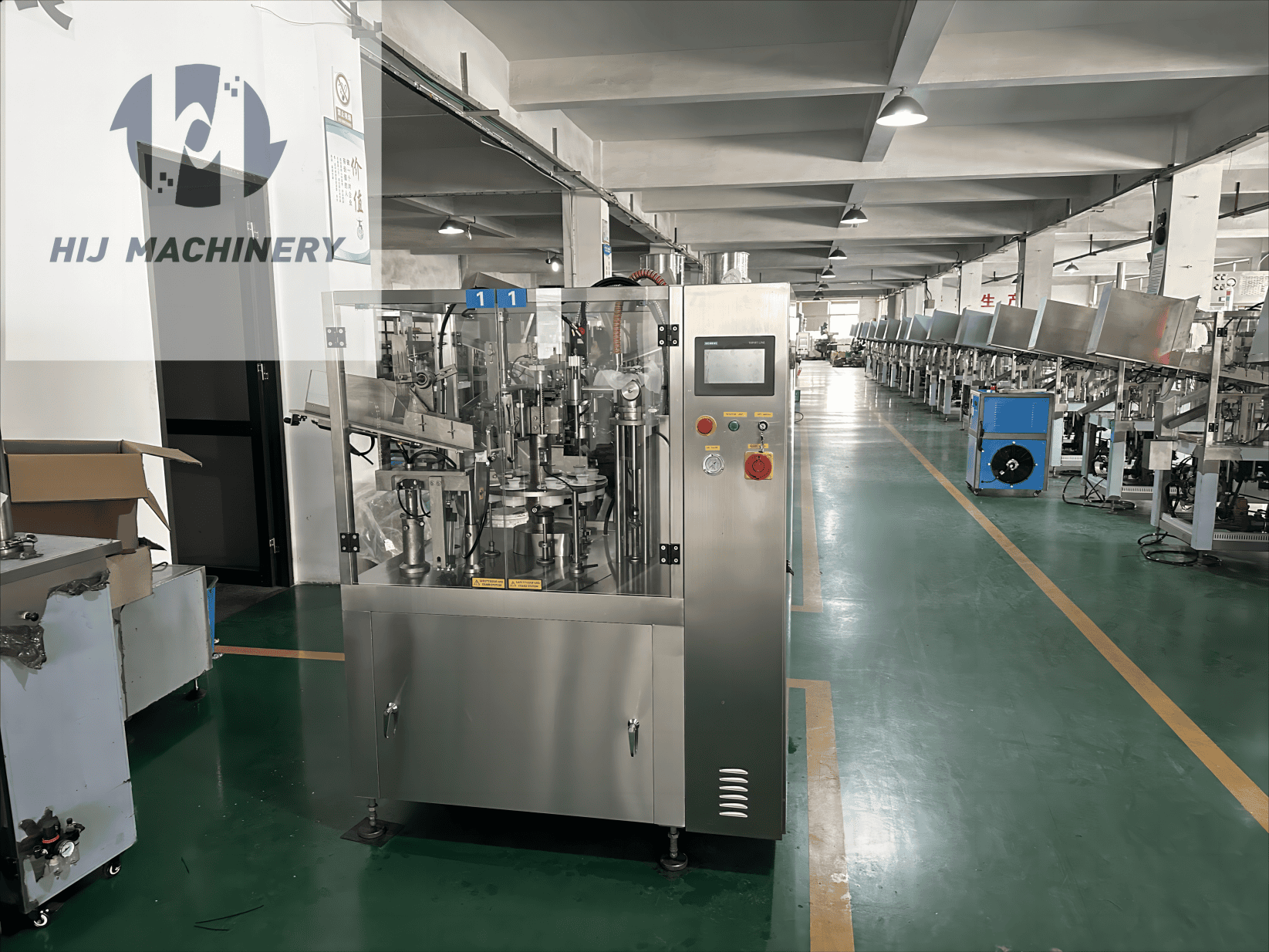
Which type of pharmaceutical filling machine fits the product?
Start with the physical product and the primary pack. Powder inside a hard capsule, liquid inside a plastic syringe and cream inside a tube are different engineering tasks. A machine that performs one task is not automatically a substitute for another.
| Product and pack | Filling route | First selection question |
|---|---|---|
| Powder into empty hard-capsule shells | Capsule feeding, separation, dosing and locking | Can the dosing arrangement run the formulation and selected shell reliably? |
| Liquid or ointment into plastic syringes | Container handling, metered filling and the specified closure | Which syringe, fill path, closure and air-management requirements apply? |
| Liquid into formed plastic unit-dose containers | Roll-fed forming, filling, sealing and separation | Are the film, product, container geometry and sealing process compatible? |
| Cream or ointment into suitable tubes | Tube presentation, metering, filling and tail closure | Does the tube construction match the filling and closing method? |
| Other bottles, glass vials or injectable presentations | A separate container- and process-specific equipment review | What complete preparation, filling, closure and contamination-control system is required? |
The first four routes have relevant equipment references in HIJ's current range. The final row identifies a different project boundary; it is not a statement that all bottle, vial or injectable configurations are included in that range.
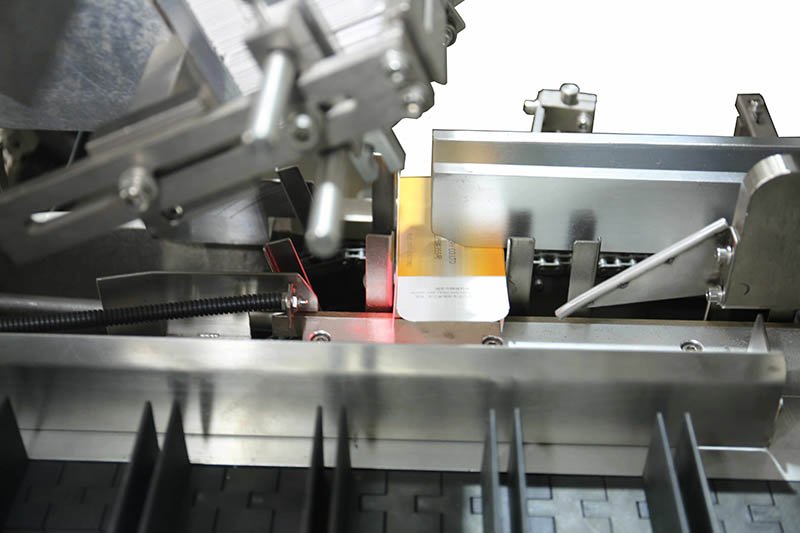
Filling belongs to primary product handling. Blister packing of finished capsules and cartoning of closed containers are subsequent packaging operations. For the wider line, use the pharmaceutical packaging machine selection guide; this article concentrates on the filling decision.
Four equipment routes to shortlist with HIJ
Hard-capsule filling: start with formulation and shell
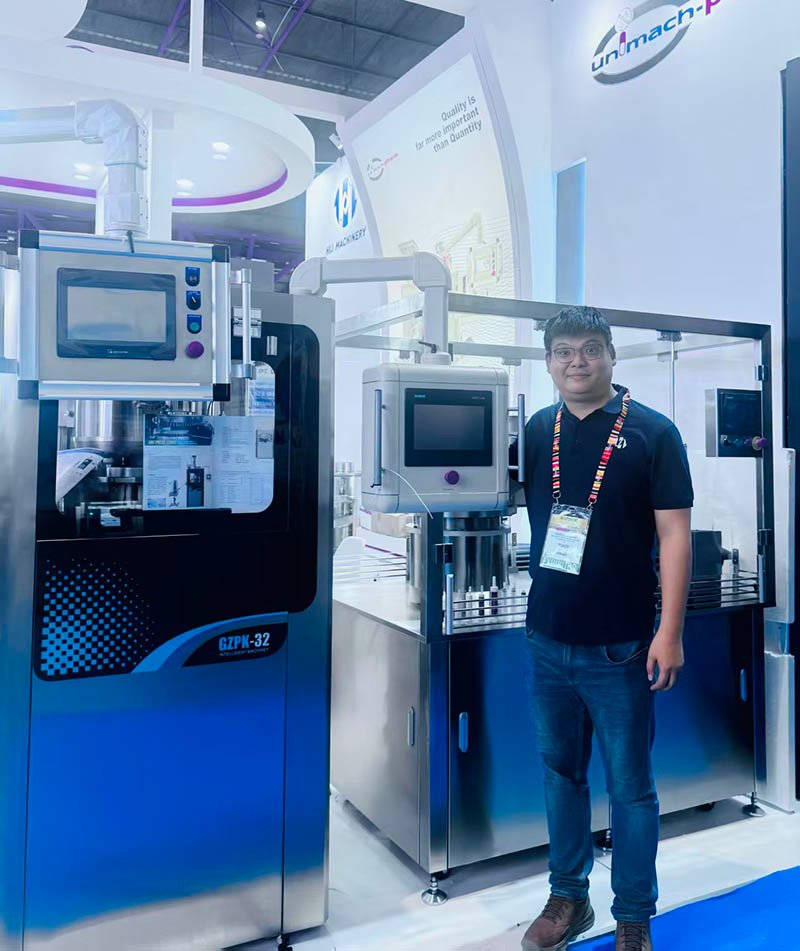
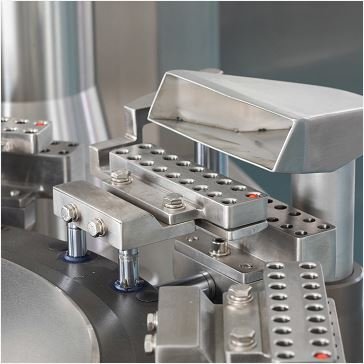
An NJP-type hard-capsule filler handles empty shells, separates cap and body, meters the formulation, closes the capsules and discharges the finished units. Powder presentation and dosing-tool behaviour matter as much as capsule size. Bridging, adhesion, inconsistent powder supply or damaged shells can interrupt a run even when the nominal format fits.
The NJP-1200C reference documents powder filling as part of this sequence. Do not assume that a powder configuration also handles pellets or liquids: confirm the actual dosing assembly and required format parts. Use the pharmaceutical capsule filling machine page for the equipment route, then submit representative formulation and shells for review.
Plastic syringe filling: define the barrel and closure together
The HIJ-DZA200 reference concerns plastic syringe filling and capping and identifies a ceramic plunger-pump arrangement. Syringe presentation, nozzle access, the selected fill path and closure handling are therefore part of the decision. A different barrel or substantially different fill range may require different tooling or a different pump.
Specify whether the syringe is intended for oral, topical or another application, and state any sterile-product requirement at the outset. A barrel that looks similar is not evidence that two projects have the same equipment or regulatory boundary. Review the prefilled syringe filling equipment range against the exact container drawing and proposed closure.
Plastic unit-dose filling: distinguish roll-fed forming from BFS
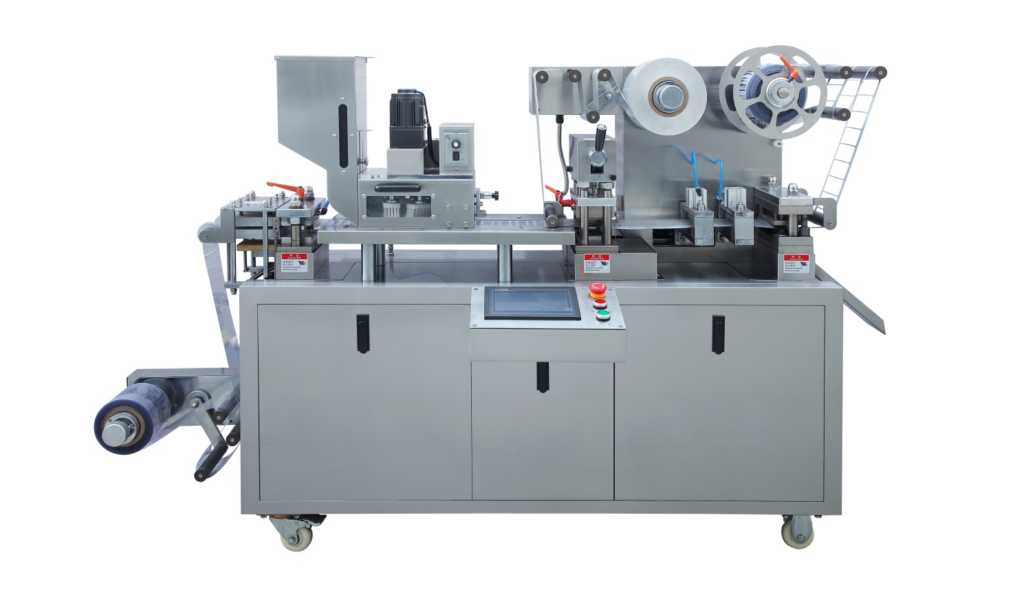
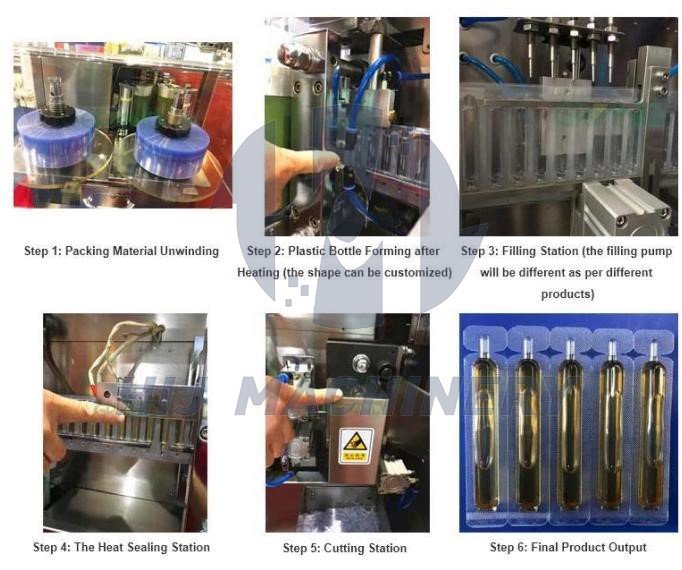
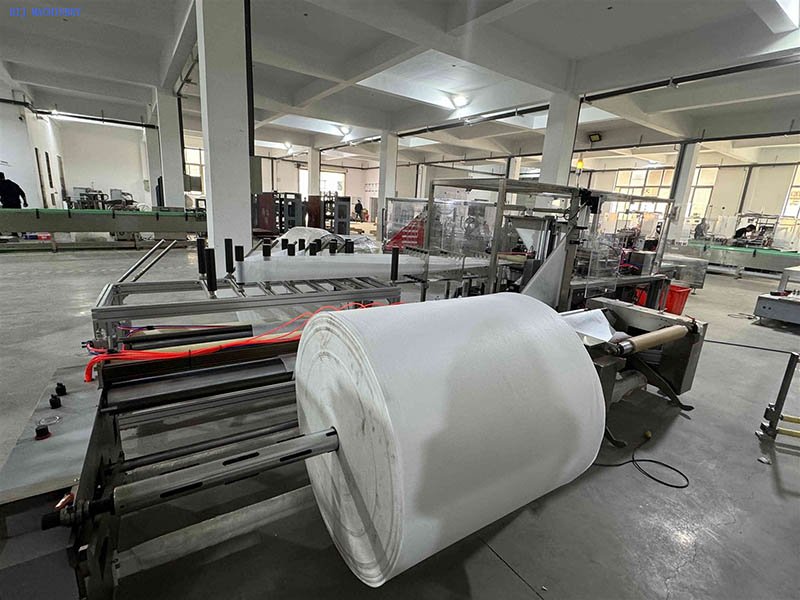
The GGS-118P5 reference describes packaging-web unwinding, heated forming, liquid filling, heat sealing and finished-container separation. It lists oral-liquid applications and indicates that pump selection changes with the product. This is a roll-fed forming route; it should not be described as extrusion blow-fill-seal merely because the finished pack is plastic.
By contrast, Rommelag's description of BFS starts with polymer granules extruded into a tube before container forming, filling and sealing. The distinction changes the material supply and equipment concept. For the roll-fed route, start with HIJ's plastic ampoule and oral-liquid filling/sealing equipment; product suitability still needs confirmation.
Tube filling: match product flow to the tube tail
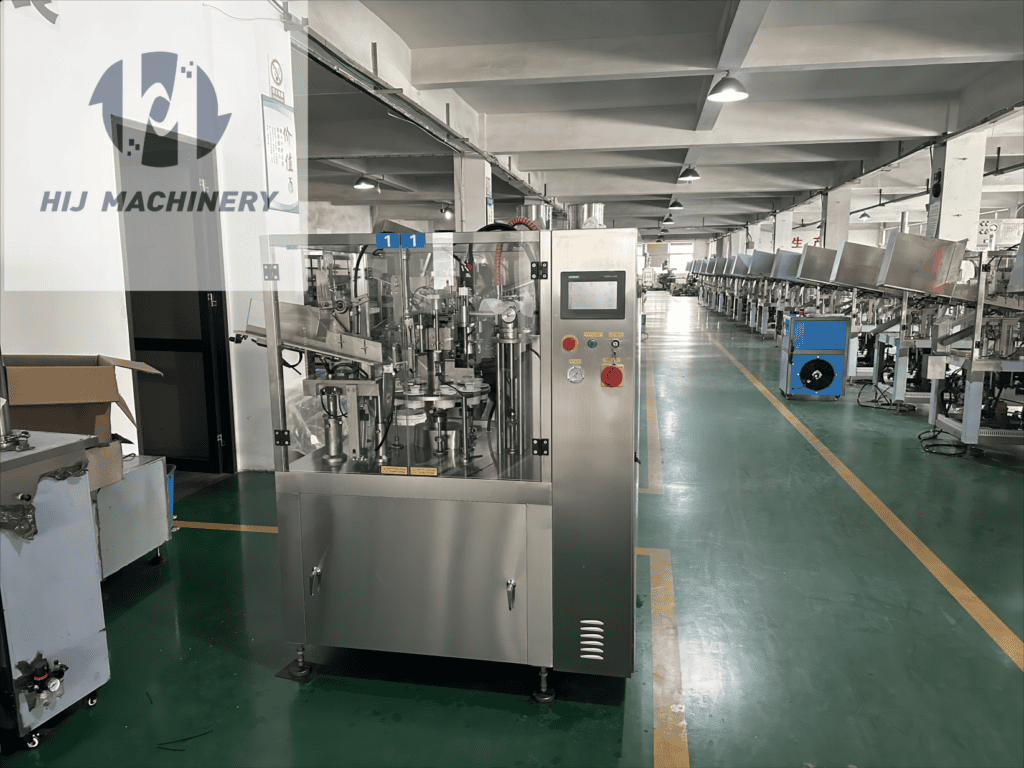
The TF-60 documentation describes automatic tube feeding, mechanical-piston filling, heating and sealing for suitable plastic and composite tubes, including cream and ointment applications. A filled tube still needs a sound tail closure, correct marking and acceptable discharge handling.
Specify the tube construction, nozzle opening, product at its intended filling condition and any required heating or stirring. Do not transfer plastic-tube sealing settings to an aluminium-tube project. The tube filling and sealing machine page provides the relevant platform reference, not a universal pharmaceutical approval.
How should the filling principle be selected?
Start with the material-contact path and the product's behaviour during a run. A supplier should explain the proposed metering method, usable operating range, cleaning or replacement method and how the delivered quantity will be checked.
| Arrangement | What it changes | Evidence to request |
|---|---|---|
| Piston or plunger metering | The metering assembly, seals, wetted surfaces and refill/fill sequence form part of the product path. | Trials across the required fill range, restart behaviour, cleaning access and product compatibility. |
| Peristaltic metering | The selected tubing, fluid path, pump setting and service-life controls become important configuration inputs. | The proposed complete flow path, tubing compatibility, fill checks and a justified replacement/conditioning approach. |
| Hard-capsule powder dosing | Formulation flow, dosing tools, shell handling and the closing sequence jointly affect accepted output. | Representative formulation and shell trials, individual fill checks, rejects and cleaning/changeover evidence. |
No pump family is automatically accurate enough, gentle enough or suitable for aseptic use solely because of its name. Confirm the entire configured flow path, including the vessel, connections, nozzle and closure operation. Container filling by volume also does not establish drug-content uniformity for a product that can separate.
Give the supplier a product profile, not just “liquid” or “powder”
For liquids and semi-solids, describe viscosity at the intended filling temperature, foaming, stringing, particles, settling, sensitivity to handling and any restrictions on contact materials. Where these are not yet measured, provide representative samples and mark the information as pending rather than guessing a value.
For powders, explain flow and adhesion behaviour, formulation consistency, moisture sensitivity, the target fill mass and the intended shell. The trial should use material representative of routine manufacture; an easy-flowing substitute may demonstrate motion without demonstrating the required dosing performance.
Container information should include the drawing, critical dimensions and tolerances, incoming condition, orientation, closure components and format matrix. Show the smallest and largest planned formats. Specify which future formats must fit the contracted machine and which may require later tooling.
Keep application and capability separate. A reference document that mentions oral liquid or ointment identifies a starting route. It does not prove compatibility with your formulation, the intended commercial pack or the required manufacturing environment.
Set the sterile or nonsterile process boundary before purchase
“Pharmaceutical” describes an intended industry, not an automatic sterile-machine classification. The product and process requirements must establish how product, containers and closures are prepared, protected, filled and closed, and which controls and evidence are needed.
For an aseptic project, obtain a defined contamination-control concept and review the complete system with the responsible quality and validation specialists. An enclosure, stainless-steel specification, pump description or brochure use of “aseptic” is not proof that the finished installation is qualified for a sterile drug product.
The FDA guidance on aseptic processing addresses sterile drug and biological manufacture. Separately, 21 CFR 211.63 addresses equipment design, size and location for intended operations, cleaning and maintenance. These are references for defining the project, not certifications of the equipment illustrated here or a substitute for site-specific regulatory assessment.
Compare accepted output, not just strokes or filling heads
Write the required output in an unambiguous unit: accepted filled syringes per hour, accepted closed tubes per hour, accepted unit-dose containers per hour or accepted locked capsules per hour. Record the product, fill quantity, format, closure, inspection scope and time basis beside that target.
A pump stroke, machine cycle and accepted container are not interchangeable. Multiple heads or lanes can change theoretical output, but only the actual container arrangement and cycle reference show the correct conversion. Rejects, feeding interruptions, closure problems and planned changeovers affect the production result.
Use the calculation to define a trial target and a documented allowance, not to choose a catalogue machine from arithmetic alone. A production run should demonstrate the accepted-output target with the intended material, container and quality checks.
Include closure, cleaning and changeover in the comparison
A filler that meters correctly but leaves the closure station unstable has not demonstrated an acceptable production process. Specify the final condition of the capsule lock, syringe cap, unit-dose seal or tube tail and the inspection used to judge it.
Ask which product-contact parts are removed, cleaned, inspected or replaced, how they are identified and stored, and what access is needed. The site must determine the cleaning standard and supporting evidence. A material-grade label alone is not a cleaning procedure or proof that residue can be removed from the assembled equipment.
For changeover, define the start and end states. Format-part installation, product clearance, cleaning, material loading, adjustment, first-off checks and quality release may all matter. Compare suppliers on the same boundary and required personnel rather than a loosely defined “quick-change” time.
What should a pharmaceutical filling machine trial demonstrate?
Agree the test method and acceptance criteria before the run. Select measurements and challenges appropriate to the product and equipment; do not copy a universal sample count or tolerance from a generic guide.
| Trial question | Evidence to retain |
|---|---|
| Does filling meet the agreed quantity criteria? | Individual results, the measurement method, instrument status, sampling locations and any corrections used to interpret mass or volume. |
| Does performance hold through the defined run? | Start-up, steady-operation and restart observations, product condition, settings and the agreed duration. |
| Are containers and closures acceptable? | Defined visual and functional checks, closure results, damaged units and rejected units with their reasons. |
| Do detection and handling functions respond correctly? | Approved challenge pieces, alarm/stop/reject responses, recovery actions and reconciliation. |
| Can operators perform the required changeover? | Format-part identity, personnel, defined elapsed time, cleaning/clearance boundaries and first-off acceptance. |
| Are line interfaces and records complete? | Upstream/downstream handshakes, blockage/restart behaviour, document revisions, deviations and open actions. |
Report rejected units as well as accepted output. An average fill result can hide individual outliers; the protocol should state how individual results and variation are assessed. A factory run can support later qualification, but it does not automatically replace installation-dependent testing or the manufacturer's validation decision.
What changes the pharmaceutical filling machine quotation?
A useful comparison separates the base filling platform from container handling, additional formats, product-contact assemblies, closure equipment, inspection, environmental interfaces, controls, documentation and site support. Define what is included, optional and excluded for each proposal.
Ask for the document index and responsibility split: drawings, product-contact information, manuals, test protocols, raw results, deviations, training and any contracted qualification support. Identify which documents are templates and which are executed records. Do not assume a quotation saying “validation support” includes every site activity or guarantees approval.
Where the project extends into inspection, labelling, blister packing or cartoning, define each handoff separately. Use the integrated packaging line scope to discuss interfaces and ownership; downstream automation does not remove the need to prove the filling process itself.
Questions about pharmaceutical filling equipment
Can one pharmaceutical filling machine handle liquids, powders and creams?
Not as a general assumption. Product behaviour, the container and the metering/closure system determine the configuration. A powder capsule filler is not interchangeable with a liquid syringe filler or a tube filler. Any shared-platform capability must be demonstrated for the specified products and formats.
Does a syringe filling machine automatically provide an aseptic process?
No. The syringe application and required process boundary must be defined. Equipment design, the complete product path, container and closure preparation, environmental protection, procedures and qualification evidence must be assessed for the intended sterile-product process.
Is roll-fed plastic ampoule forming the same as blow-fill-seal?
No. The GGS-118P5 reference uses packaging web that is unwound and formed before filling and sealing. Extrusion BFS forms containers from extruded polymer. The feed material, forming concept and process evidence are different and should be named correctly in the specification.
How should filling accuracy be specified?
Define the target quantity, permitted individual variation, product and container, measurement method, sampling plan, instrument requirements and operating conditions. Do not compare an unexplained catalogue percentage with a trial result measured on a different basis.
Should equipment selection use machine cycles or accepted units?
Use the required accepted finished units over a defined production time, with product, fill, format, closure and inspection conditions stated. Machine cycles and filling-head counts help explain the theoretical configuration but do not replace an accepted-output trial.
What information is needed before requesting a proposal?
Provide the product profile and samples, dosage form, fill target, container and closure drawings, format matrix, required accepted output, sterile or nonsterile process requirement, cleaning/changeover expectations, utilities, interfaces and documentation scope. Clearly mark any item that still needs development.
Match the filling route to your product and pack
Send the formulation or product profile, container and closure, target fill quantity and accepted-output requirement. HIJ can review the relevant capsule, syringe, roll-fed unit-dose or tube equipment route and identify the project information still needed.
For a sterile-product enquiry, state that requirement before machine selection so the proposed scope and missing evidence can be reviewed explicitly.
Discuss My Filling Project