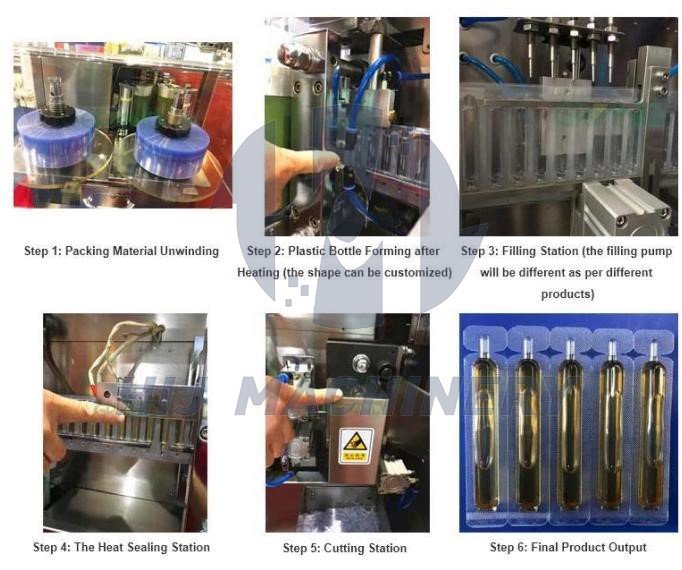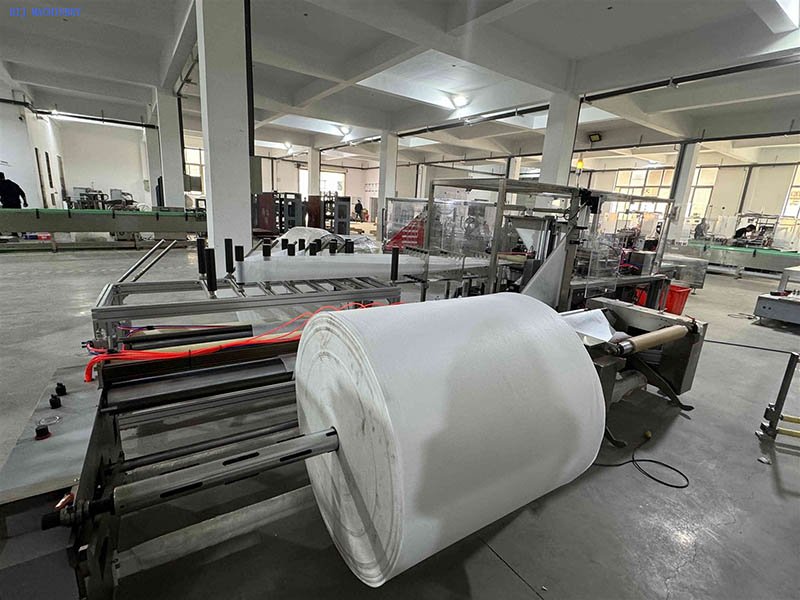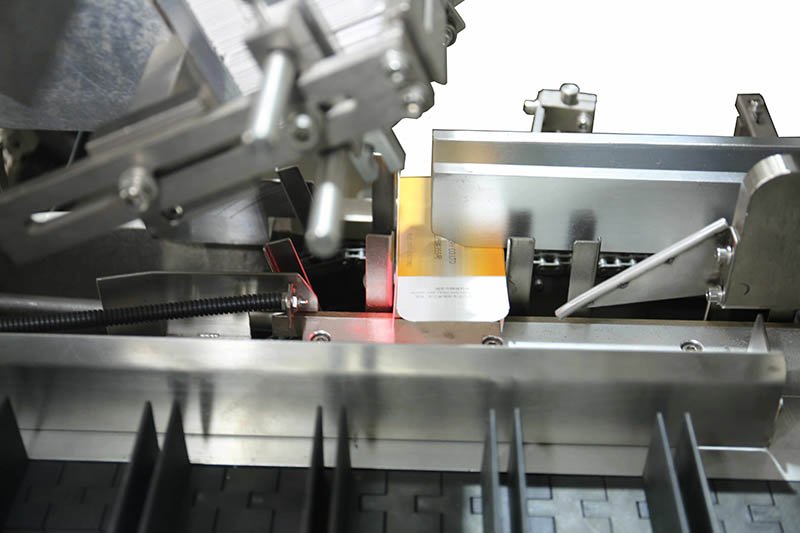
A capsule filling machine maintenance checklist should connect each installed assembly to an approved task, its interval source, the responsible person, the findings and the checks needed before returning the machine to service.
Use this guide to build the plan and equipment records. It is not a universal service timetable or a substitute for the exact machine manual and approved site procedures.
Start with the machine identity, not a generic calendar
Record the model, serial number, installed options, capsule formats and the current manual revision before building the plan. Two capsule fillers with similar model names can have different tooling, drives, controls or auxiliary systems. A checklist for one configuration is not evidence that the same task or interval applies to another.
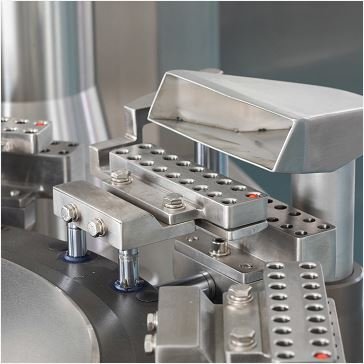
For an NJP-style automatic hard-capsule filler, the process normally passes through capsule feeding, separation, product dosing, rejection, locking, discharge and any supplied tooling-cleaning functions. Map the assemblies actually installed on your machine to these functions. Use the automatic capsule filling machine page for platform selection, not as a replacement for the delivered service manual.
Keep maintenance, cleaning and calibration distinct
These activities can share a downtime window, but they answer different questions. A cleaning sign-off does not prove that a worn part is serviceable; replacing a part does not automatically complete instrument calibration or product release.
| Activity | Purpose | Record boundary |
|---|---|---|
| Preventive maintenance | Maintain the condition and intended function of the installed equipment. | Approved task, interval basis, as-found condition, work performed and post-work checks. |
| Cleaning and line clearance | Control residues, contamination and product or component mix-ups according to the approved procedure. | Cleaning method, materials, inspection, status and release responsibilities. |
| Calibration or defined instrument checks | Establish that an instrument or measurement function remains suitable within its approved limits. | Instrument identity, method, result, reference and the response to an out-of-limit finding. |
For disassembly and cleaning-plan questions, use the existing capsule filling machine cleaning guide. This article focuses on task ownership, interval justification, maintenance records and return-to-service evidence.
How should maintenance intervals be selected?
Begin with the exact equipment and component manufacturers’ instructions. Your responsible engineering and quality teams should then evaluate use, operating hours or cycles where relevant, environment, formulation residue, previous findings, failure history and the criticality of the function. Record the approved basis instead of borrowing a daily, weekly or annual value from another machine.
Use calendar, usage and condition triggers deliberately
A calendar interval is convenient to schedule, but it may not represent the same wear exposure on machines with different operating patterns. A usage-based trigger needs a reliable meter and a defined way to capture its reading. A condition-based trigger needs a measurable observation, an escalation rule and an owner. None of these methods removes the need for the approved manufacturer instructions and site controls.
If instructions are missing or contradictory, raise a technical query with the equipment identity, document revisions and the affected assembly. Do not silently extend a deadline or invent a lubrication point while waiting for clarification. An unresolved task should remain visibly unresolved in the plan.
A system-level capsule filler maintenance checklist
The table below defines planning questions, not physical repair steps. Select the rows that correspond to the delivered machine, then attach the applicable manual or approved work instruction, acceptance limits and authorised task frequency.
| System | What the plan should identify | Evidence to retain |
|---|---|---|
| Capsule feeding and separation | Installed handling and separation parts, approved inspection points and the response to wear, damage or repeated presentation faults. | Part identity, observed condition, material lot context and the authorised follow-up. |
| Product feed and dosing tooling | Installed dosing arrangement, product-contact access, condition limits and the checks required after parts are disturbed. | Tooling reference, as-found condition, work record and affected dosing checks. |
| Locking and discharge | Closing and transfer components, permitted inspection method and the criteria for confirming acceptable capsule handling after work. | Component references, damage observations and the agreed functional checks. |
| Reject and detection functions | Which checks are supplied, their approved challenge method and how the physical reject path is verified. | Controlled challenge identity, system response and reject confirmation where applicable. |
| Drives, utilities and auxiliaries | Manual-defined inspection and servicing points for the actual drive, vacuum, extraction or pneumatic systems supplied. | Applicable instruction, readings or condition findings, changes and follow-up verification. |
| Controls and safety functions | Authorised access, relevant alarms and interlocks, configuration identification and any controlled backup or restore tasks. | Approved test record, configuration references, access authorisation and unresolved deviations. |
Do not assign a lubricant, torque, clearance, electrical test or replacement limit from the component name alone. Those details must come from the applicable technical instructions and approved site procedures.
What should a preventive maintenance work record contain?
A tick beside “machine checked” provides little evidence of what happened. Use a record that allows another authorised person to trace the task, understand the finding and determine what still needs attention.
- Equipment and assembly: machine identity, installed configuration, component or drawing reference.
- Task authority: work order, manual or SOP revision, approved interval or trigger and due status.
- As-found condition: relevant observation, measurement, alarm, wear or damage before work begins.
- Work performed: task completed, approved materials and tools, replaced part identity and any authorised changes.
- As-left condition: the checks, results, limits and evidence used to confirm the affected function.
- Product and process impact: any deviation, hold, calibration assessment or change-control reference required by the site.
- Responsibility and closeout: who performed, checked and released the work, unresolved actions and the next approved due point.
Record “not applicable,” “not performed” and “passed” as different states. If the evidence is incomplete, closeout should show the missing action rather than converting an unchecked field into a pass.
Confirm return to service after maintenance
The release decision should consider what was disturbed and why it matters. Replacing a format part, servicing a drive or changing a control component can affect different product and safety functions. The approved procedure should identify who can authorise restart and what evidence is needed.
- Confirm the correct part, assembly and document revisions.
- Account for tools, loose parts and materials and complete the required cleaning or line-clearance checks.
- Verify guards, safety functions and affected operating functions under the approved procedure.
- Assess whether calibration, functional challenge, product checks or qualification activities are required by the change.
- Resolve or formally control deviations before the relevant release decision.
If a critical component is found outside its approved condition, the quality system should assess potential impact on earlier production using the available records. A repair makes the equipment ready for verification; it does not by itself decide the disposition of previously produced capsules.
Plan maintenance without overstating production capacity
Keep maintenance, cleaning, changeover and available production time visible in the schedule. Do not count an hour simultaneously as a maintenance window and productive machine time, or subtract the same combined activity twice.
In a hypothetical eight-hour window, one hour of maintenance plus a separate half-hour of clearance and verification leaves 6.5 hours for production. A target of 30,000 accepted capsules would therefore require approximately 4,616 accepted capsules per available production hour: 30,000 ÷ 6.5.
This is an illustrative scheduling calculation, not an NJP rating, maintenance interval or customer result. It assumes the activities do not overlap. Your actual production plan still needs verified output, rejects, replenishment and other stops.
Ask for the maintenance document package before handover
During procurement, identify the documents and technical support included in the order rather than assuming every quotation contains the same maintenance package. Request the correct operating and service instructions, assembly drawings, component references, relevant utility information, recommended spares and the responsibilities for training and site work.
Use the capsule filling machine parts guide to separate functional assemblies, format parts and repair spares. A name or photograph helps identify the question; the serial number, drawing and installed revision determine whether a proposed replacement is appropriate.
Where maintenance access or part removal matters to the purchase, include a suitable review in the agreed capsule filler FAT plan. A demonstration can reveal access and document gaps, but it does not replace the site’s approved maintenance programme.
Regulated manufacturing: use the applicable site requirements
For drug manufacturing subject to U.S. cGMP requirements, 21 CFR 211.67 addresses equipment cleaning and maintenance procedures, responsibilities, schedules and records. 21 CFR 211.68 addresses written programmes and records for relevant equipment checks and controls for computer-related systems.
These references do not supply one universal capsule-filler service interval. The regulated manufacturer’s quality system and responsible specialists must determine the requirements applicable to the site, product and equipment. This guide is a planning aid, not regulatory approval, a certified maintenance programme or legal advice.
Capsule filling machine maintenance questions
Is there a universal daily, weekly or monthly maintenance schedule?
No. Use the exact machine and component instructions, approved site procedures, operating exposure, criticality and recorded findings to establish the applicable tasks and intervals.
Can this checklist replace my machine’s service manual?
No. It is a planning framework, not a model-specific manual. Obtain instructions that match the actual machine identity, installed components and document revision before servicing it.
Is cleaning the same as preventive maintenance?
No. Cleaning controls residues and contamination under the approved method; maintenance addresses equipment condition and function. Calibration and return-to-service decisions have their own evidence requirements.
Should a replaced part automatically receive the same interval?
Not automatically. Confirm the replacement identity and applicable instructions, assess the change and record the approved interval and any required checks.
What information should I send for a maintenance-support enquiry?
Provide the machine model and serial number, installed configuration, manual revision, assembly reference, relevant observations and the support or documentation you need. Do not include an assumed diagnosis as a verified fault.
Discuss model-specific maintenance documentation
Send the machine identity, installed configuration and the maintenance question. HIJ can review the available technical references and the support scope for your equipment.
Discuss maintenance support