Pack structure · Closure · Equipment route
The main difference between blister and clamshell packaging is how the package is built and closed. A carded blister joins a formed pocket to a backing card. A hinged clamshell folds two sections together. A pharmaceutical unit-dose blister seals product cavities with lidding material. These are different equipment requirements, even when a quotation calls all three “blister packaging”.
Identify the package before comparing machines
A label such as “clamshell blister packaging” is not a complete engineering specification. Start with a sample, a section drawing and the intended opening method. Identify which parts are formed together, which components arrive separately and where the final closure is made.
Illustrative structures only. Drawings are not to scale, tooling designs or evidence of HIJ clamshell-equipment supply.
A clamshell blister pack may also contain a printed insert. That insert does not automatically turn it into a carded blister: identify whether it carries the closure or simply provides information. Placon's packaging definitions distinguish these structures; its retail packaging examples include reclosable hinged packs with graphic inserts.
For procurement, photograph the pack closed and open. Add an edge or section view showing the hinge, flange, backing and lid. Those views reveal information that a front-facing marketing image can hide.
Blister vs clamshell: compare the job each pack must do
| Decision | Carded blister | Hinged clamshell | Unit-dose blister |
|---|---|---|---|
| Package construction | Formed pocket and separate backing card. | Two connected sections and a defined rim closure. | Cavities and a lidding layer, with a defined seal around the product. |
| Opening requirement | Specify how the backing and formed component separate. | Specify reclosure, permanent closure or another intended opening design. | Specify push-through, peel or another approved dispensing structure. |
| Critical handling | Product placement, pocket orientation and card registration. | Pack separation, loading, hinge movement and rim alignment. | Product feeding, cavity fill, sealing registration and finished-blister discharge. |
| Closure evidence | Check the specified pocket-to-card attachment and opening result. | Check closure engagement or the specified seal, plus the required tamper evidence. | Check seal quality, opening behaviour and the product's protection requirements. |
| Capacity unit | Accepted finished retail packs per elapsed time. | Accepted closed packs per elapsed time. | Accepted blisters per elapsed time, with doses per blister stated separately. |
This is a specification framework, not a universal scorecard. A clamshell is not automatically more secure, a carded blister is not automatically cheaper, and a clear package does not establish a moisture barrier. Compare the actual materials, closure design, product fit and production method.
Keep appearance and protection as separate requirements. For example, TekniPlex describes both peelable and push-through blister lidding and different barrier structures. “Blister” alone therefore does not specify how a package opens or what protection it provides.
Translate the pack into an equipment route
Carded blister: identify who forms, loads and joins the components
Establish whether the formed pockets arrive as purchased components or are produced within the proposed equipment scope. Then define product placement, card feeding, alignment, attachment and discharge. The equipment enquiry must identify which operations are automated and which remain manual or belong to another supplier.
Provide the real card and forming-material specifications. Include the intended attachment method and areas that must remain free of product, printing or interference. Review the assembled sample, not only separate component dimensions.
Clamshell: define the incoming pack and final closure
Show whether the clamshell blister box arrives open, nested, separated or in a controlled orientation. Specify how it is loaded, folded, aligned and closed. If the design requires sealing beyond a mechanical closure, that operation needs its own confirmed equipment and acceptance scope.
During a sample review, check how the pack is separated from the stack, supported while open and retained during closing. A change in cavity depth or hinge position can affect handling even when the outside length and width remain unchanged.
Unit-dose blister: define the forming web, lidding and tooling
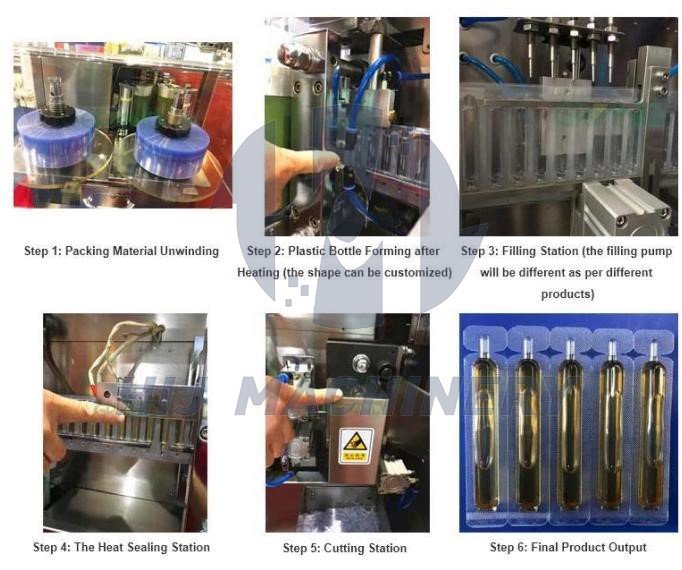
A pharmaceutical blister enquiry needs the product geometry, blister layout, forming material, lidding specification and opening requirement. Feeding, sealing, cutting and discharge must be assessed on that same format. Refer to HIJ's blister packing machine range for the documented equipment routes.
The DPP-100 is one Alu-PVC platform reference. Its technical sheet lists 1,500–4,200 blisters/hour for a specified 37.5 × 84 mm blister containing ten tablets in a 2 × 5 layout, using approximately 9 × 5.5 × 3 mm tablets. This is a format-specific reference, not a rate for arbitrary packs or a clamshell-machine specification.
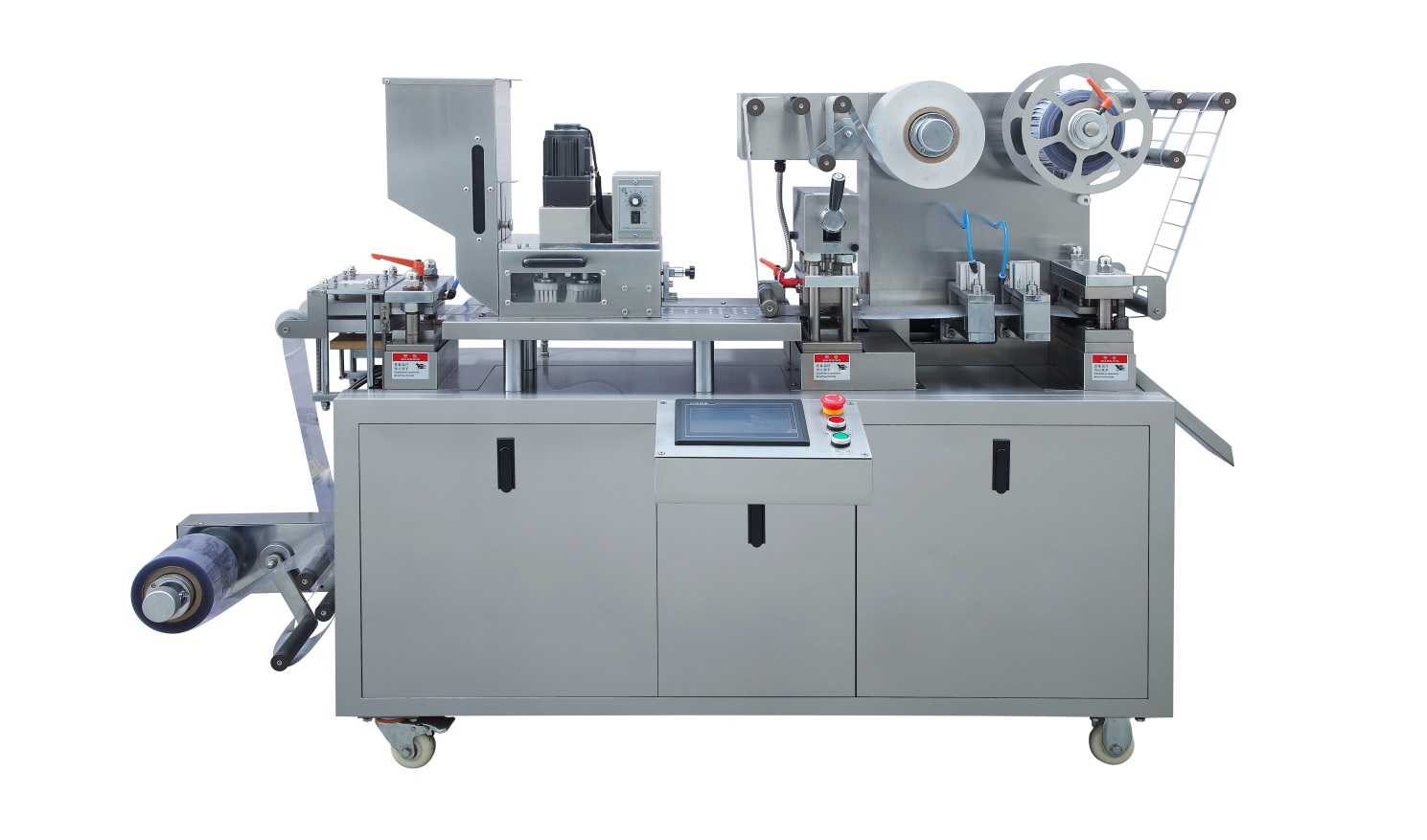
For that platform's detailed scope, see the DPP-100 small blister packing machine page. Changing the package construction is not simply a change of product name or tooling label.
Compare output and cost on the same finished-pack basis
A machine cycle, a formed cavity, a finished blister and a retail package are different counting units. Require every proposal to identify the number of finished packages produced per cycle and the contents of each package. Otherwise, two attractive speed figures can describe entirely different production outcomes.
Apply the same discipline to cost. Include purchased packaging components or web materials, tooling, labour at the actual automation level, changeover, scrap and downstream handling. Separate package-forming costs from loading and closing costs when they belong to different operations.
Do not declare a universal cost winner from resin type or package appearance. Use the proposed drawing, annual demand, batch pattern and agreed scope to obtain comparable quotations. A supplier's unit component price is not the complete cost of an accepted finished pack.
Test fit, closure and changeover with representative samples
Choose the formats most likely to challenge the proposed handling method. Record the product and packaging revisions, trial materials and agreed acceptance criteria so the demonstration can be repeated.
- Fit and retention. Confirm product orientation, usable cavity space and movement during the agreed handling or distribution assessment. Avoid contact that damages the product or prevents closure.
- Feeding and alignment. Observe component separation, placement and registration. Include the intended stack, nesting or web presentation rather than hand-loading every trial unit.
- Closure and opening. Examine the specified attachment, rim engagement or seal. Verify the intended opening experience and any separately defined tamper-evidence requirement.
- Finished-pack quality. Agree on missing-product, trapped-product, incomplete-closure, print-position and damage checks where relevant. Define how unacceptable units are identified and handled.
- Format change and restart. Confirm the affected tooling, settings, first-off checks and actual operator access. Record elapsed time only under the agreed starting and finishing conditions.
Record the material grade, thickness, print or insert position and package revision. When packaging components change, review the handling and closure requirements before applying an earlier trial result to the new revision.
For unit-dose material selection, continue with the blister packaging materials guide. Material names and clarity alone are not substitutes for the product's documented protection requirements.
Questions buyers ask about blister clamshell packaging
Is a clamshell the same as a blister pack?
Not necessarily. A hinged clamshell folds connected sections together. A carded blister uses a separate backing card, while a unit-dose blister uses lidding over product cavities. The sample and closure drawing determine the equipment requirement.
Can a pharmaceutical blister machine also close clamshells?
Do not assume so. Forming, feeding, sealing and cutting an Alu-PVC blister is a different task from handling and closing a hinged clamshell. The machine supplier must confirm the actual incoming pack, closure operation and tooling against the proposed format.
Which is cheaper: blister or clamshell packaging?
There is no universal answer. Compare the complete accepted-pack cost for the actual design, materials, volume and automation level. Include tooling, purchased components, labour, scrap, changeovers and downstream handling rather than comparing only a material price.
Is every clamshell blister box reclosable?
No. Some designs permit reclosure, while others have a closure or added seal intended to be opened once. State the required opening and reclosure behaviour in the drawing and verify it with the actual assembled package.
What should I send for a packaging-equipment assessment?
Send open and closed pack photographs, product and pack drawings, material and closure specifications, the format range and required accepted output. Identify whether you need forming, loading, closing or a connected sequence, and which components arrive preformed.
Assess the sealed-blister route with HIJ
For an Alu-PVC or another documented HIJ blister-machine project, send the product sample, finished-blister drawing, material specifications and required accepted output. We can review the relevant equipment and tooling scope.
If your sample is a carded blister or hinged clamshell, identify that construction first. This guide compares packaging routes; it is not an offer of clamshell-forming or closing equipment.
Discuss My Blister Format