Primary-pack evidence · Controlled carton handover
Pharmaceutical sachet packaging combines the product, flexible material, filling process and seal into one primary-pack system. Cartoning handles the closed sachets afterward. Specify and verify those two scopes separately: a correctly filled carton does not prove the sachets inside have an acceptable seal or product-contact system.
- A — seal region
- Define the seal geometry and its approved operating conditions.
- B — product region
- Keep the product, material compatibility and filling behaviour in one assessment.
- C — information region
- Reserve space for the approved artwork and required variable information.
Define the product and pack before selecting a process
Start with the intended pharmaceutical product, approved fill requirement, package presentation and storage conditions. Identify whether the enquiry concerns a manufacturer-filled sachet or a different operation such as pharmacy repackaging. The equipment, records and responsibilities should follow that actual use.
Powders, granules, liquids and semi-fluid products create different feeding and metering questions. Do not treat a machine demonstrated with a cosmetic liquid or an empty pouch as proof that it can package the proposed drug product. Supply representative materials under an agreed test plan.
| Requirement | Evidence to request | Decision to resolve |
|---|---|---|
| Product-contact system | Product profile, material specification, contact-part scope and the site's required compatibility evidence. | Which materials and process conditions are acceptable for this product? |
| Film and seal | Exact laminate, drawing, seal layout and agreed final-pack test methods. | What must the finished package protect against, and how will it be verified? |
| Filling and cleaning | Metering assessment, operating conditions, accessible contact parts and cleaning/changeover scope. | Can the proposed configuration handle the actual formulation and production sequence? |
| Printed information | Approved artwork, variable-data requirements and material/batch identification procedure. | How will the correct information remain associated with the correct product and batch? |
| Downstream handover | Closed-sachet condition, orientation, grouping, carton and leaflet drawings, and defined in-process acceptance status. | What exactly may enter the cartoner, and what does it need to verify? |
Record the owner of each decision: drug manufacturer, packaging-material supplier, primary-pack equipment supplier, integrator or secondary-pack supplier. Equipment drawings and a machine demonstration do not replace the site's quality responsibilities.
Qualify the laminate and closure as a package system
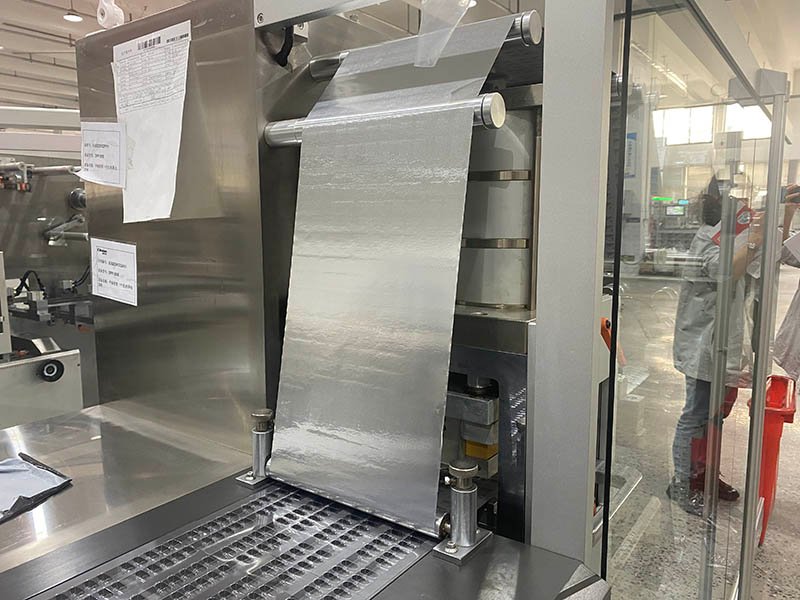
Ask the converter to identify the complete material structure and the function of each layer, including product contact, sealing, protection and printing. Keep the grade, thickness specification, roll presentation and approved artwork revision linked to the pack drawing.
There is no universal film construction for every pharmaceutical sachet. TekniPlex's healthcare laminate portfolio, for example, includes different pouch structures, barrier options and opening behaviours. A material family name is not evidence that a particular finished pack has met the product's requirements.
Specify what needs demonstrating on the final package: the relevant protection, seal quality, opening behaviour and performance under the agreed storage and handling conditions. Do not substitute an unformed-film data sheet or a visual seal check for every required finished-pack assessment.
For US drug manufacturing, 21 CFR 211.94 addresses container/closure suitability, protection and written specifications or test methods. Use the applicable requirements in the site's quality assessment; this reference is not a machine approval or a statement that every sachet must use the same material or sterilization route.
Reserve the drawing area before finalizing artwork
Mark the seal region, cut or separation position, opening feature and printed-information area on the controlled drawing. Review the actual coding position against the sealing and cutting sequence so the required information remains on each finished pack.
Evaluate filling, cut-off and sealing together
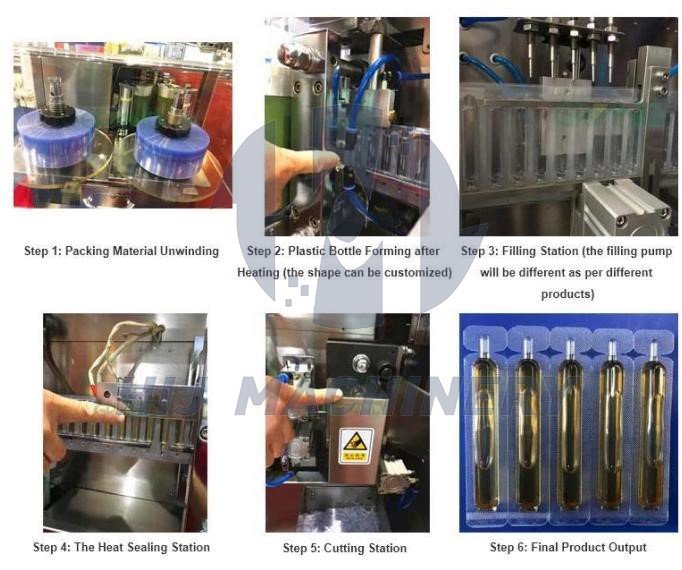
Define the intended filling condition, replenishment method and factors that affect product delivery. For a powder, relevant questions may include flow and dust. For a liquid or semi-fluid product, the review may include temperature, aeration, stringing, drips and the behaviour of the actual formulation at cut-off.
Identify how the proposed configuration prevents product from interfering with the closing region. Include the normal operating sequence, stops, replenishment and restart. A satisfactory dose measurement does not, by itself, demonstrate an acceptable seal.
Agree the sampling method and acceptance basis for fill quantity rather than borrowing a supplier's unrelated catalogue accuracy. Specify whether a measurement concerns net contents, gross pack mass, an individual unit or an average, and keep the corresponding records distinct.
For the existing liquid and semi-fluid enquiry scope, see the HIJ sachet filling machine page. Drug-product suitability, cleaning, containment, documentation and any special process requirements need their own confirmed review. Powder dosing or aseptic processing is not implied by that page.
Control artwork, batch identity and changeover records
Keep packaging-component identity, artwork revision and variable information connected to the production job. Define which checks are manual, which are equipment functions, and what happens when a check fails or cannot be completed.
For US drug manufacturing, 21 CFR 211.130 addresses written packaging/labeling procedures, mix-up prevention, lot identification, material examination and pre-use checks of the packaging area. A printer or camera alone does not demonstrate that the whole procedure is effective.
Do not assume that every sachet needs the same serialized code or that an installed reader verifies every relevant attribute. Define the product and market requirements, the information to inspect and the specified response to missing, unreadable or incorrect data.
At changeover, account for packaging materials and product remaining at the line, retain the required records, and identify the first-off checks before resuming the next job. Include held and rejected packs so they do not lose their batch or disposition status.
Set a controlled boundary between sealed sachets and cartoning
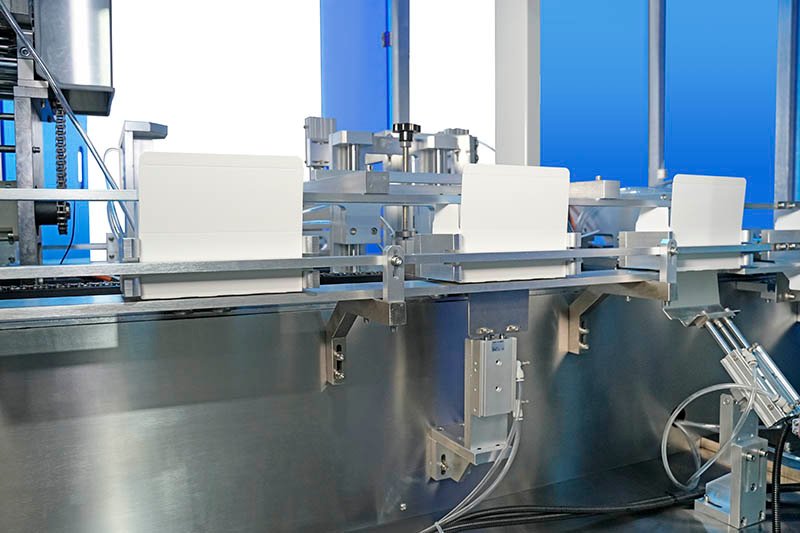
Define the condition in which sachets may enter secondary packaging. Record the pack revision, closed condition, incoming orientation, acceptable presentation and in-process status. This handover status is not the final release decision for the drug product.
- Physical presentation: size, filled thickness, curl, stiffness, seal edges, orientation and permitted contact surfaces.
- Grouping: the number and arrangement per carton, any connection or separation between sachets, and the proposed feed method.
- Pack components: the actual carton, leaflet, insert or divider and their approved revisions.
- Control response: the handling of shortages, incomplete groups, downstream blockage, rejected units and restart.
- Records: the batch/job association and the information needed to reconcile units across the defined boundary.
A carton sensor does not prove the intended sachet count, and a count check does not prove primary-pack integrity. Define each inspection task and verify the actual physical disposition of affected packs.
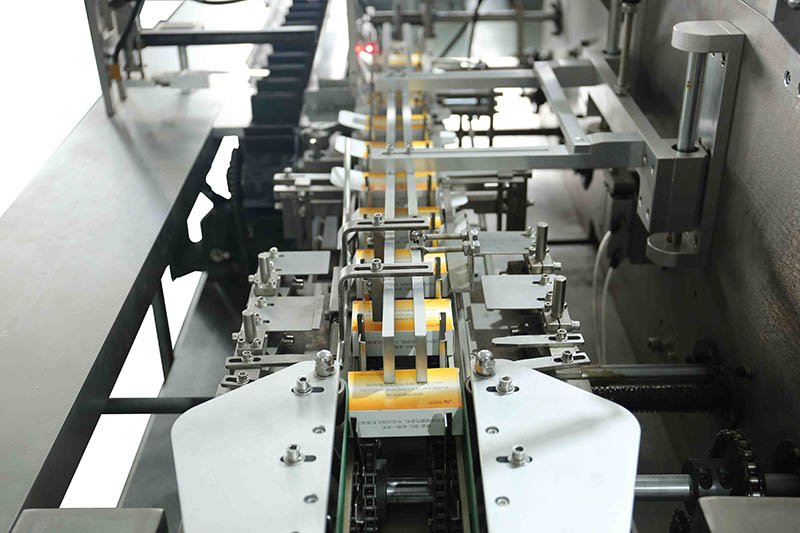
The sachet cartoning configuration page provides the commercial route for a sample-based equipment review. Use the sachet counting and output guide for the separate grouping and accepted-carton calculation.
Separate factory acceptance from product and site qualification
A useful equipment acceptance plan identifies what can be demonstrated with the agreed product, film, artwork and pack components. Record the run conditions and how the results relate to the proposed production scope.
- Documented normal operation. Demonstrate the agreed filling/closing or secondary-pack sequence using representative materials, with accepted units, rejects and stops identified.
- Fault and recovery checks. Challenge the agreed missing-material, coding, incomplete-pack or transfer conditions under approved procedures. Verify detection, physical handling and restart.
- Access and changeover. Demonstrate the contracted contact-part access, cleaning-related provisions, format parts, settings and first-off checks.
- Evidence and open actions. Retain the actual conditions, results, deviations and ownership of work that remains for the site or product-quality assessment.
Do not describe an equipment FAT as the complete validation or release of a pharmaceutical sachet. The product, package and site may require additional work outside the machine supplier's contracted test. Define those responsibilities before the purchase order.
Questions about pharmaceutical sachet packaging
Is a pharmaceutical sachet just an ordinary pouch?
The shape alone does not define suitability. The product-contact materials, protection, fill/closing process, printed information and required evidence must be assessed for the intended pharmaceutical product and market.
Does every pharmaceutical sachet need an aluminium-foil layer?
Do not prescribe a universal structure. Select and assess the actual material system against the product's protection, compatibility, process and opening requirements. A material name alone does not approve the finished package.
Can a cosmetic sachet-machine demonstration qualify a drug-product process?
No. It may show a mechanical sequence, but the actual drug product, contact materials, process conditions, cleaning and documentation requirements need a separate assessment. Unrelated demonstration results are not drug-product qualification evidence.
Can a cartoning inspection verify the sachet seal?
Only a specifically defined and demonstrated inspection can support its intended task. Carton presence, sachet count or carton mass does not by itself establish primary seal integrity. Keep those acceptance decisions separate.
What should a project enquiry include?
Provide the product profile, sachet and material specifications, representative samples, approved information requirements and the primary-pack process boundary. For cartoning, add the incoming sachet condition, grouping, carton and leaflet drawings, accepted-output target and required evidence.
Define the sachet-to-carton scope you need reviewed
Send the closed-sachet sample, pack drawing, grouping and finished-carton requirements. Identify what is already qualified, which operations the enquiry covers and which product or site decisions remain open.
HIJ can review the relevant secondary-packaging configuration and project boundary. Pharmaceutical primary filling, powder dosing or aseptic processing must not be assumed from a general sachet-machine enquiry.
Review My Sachet-to-Carton Scope