Material specification · Forming, sealing and handling
Pharmaceutical packaging materials include flexible films and foils, glass or polymer containers, closures, and paperboard cartons. Choose them by their job in the finished pack. Then give the equipment supplier the complete structure, drawing and acceptance requirements—not only a material name.
- A — product-containing body
- A forming web, pouch body or rigid container needs its own material and dimensional specification.
- B — closure or lidding
- The matching foil, cap or other closure must work with that body and the defined closing process.
- C — outer carton
- Board, folds, print and inserts determine a separate set of cartoning requirements.
Compare material families by their packaging job
A useful pharmaceutical packaging materials list separates the product-contact system from the outer pack. It also separates the forming component from the closure. Two packs described as “plastic and aluminium” can have different layer structures, seal systems and equipment requirements.
| Material family | Typical packaging role | What the equipment review needs |
|---|---|---|
| Rigid polymer films | Thermoformed cavities or trays, using a specified film or coated/laminated structure. | Exact grade and construction, gauge, forming geometry, roll presentation and matching lid. |
| Aluminium-based foils and laminates | Blister lidding, cold-form base material or a layer in a flexible pack. | Whether the material is the base or lid, its complete structure, coating and intended forming or sealing route. |
| Glass and rigid polymers | Bodies of vials, bottles, ampoules or prefillable syringes. | Finished component drawing, closure system, presentation, support surfaces and handling restrictions. |
| Flexible laminates | Sachets or pouches with defined product-contact, sealing and protective layers. | Layer order, sealant side, pack drawing, winding direction, print register and closing method. |
| Elastomeric and polymer closures | Stoppers, caps, tip closures or liners as part of a specific container/closure system. | Mating components, delivery condition, assembly geometry and the defined inspection task. |
| Paperboard and paper components | Outer cartons, leaflets, dividers and inserts. | Board specification, crease and flap geometry, finished dimensions, leaflet fold and printing requirements. |
These are packaging roles, not an approval list for a drug product. The chosen combination must meet the product owner's requirements for contact, protection, opening, storage and use.
Start with the product-contact and protection requirements
Ask which components can contact the formulation, what the package must protect against, and what evidence supports the intended shelf life and storage conditions. Keep that assessment linked to the actual material grades, coatings, closures and manufacturing process.
For US drug manufacturing, 21 CFR 211.94 addresses suitable containers and closures, adequate protection, and written specifications or methods. The product and quality teams should identify the applicable requirements; a machine demonstration is a separate piece of evidence.
A supplier's raw-material data sheet, a certificate for a delivered lot, and finished-pack performance results answer different questions. A flat-film result does not describe every effect of forming, sealing, cutting or handling on the completed package.
Define the finished-pack tests and acceptance criteria before the equipment trial. This lets the material converter, machine supplier and product owner distinguish a material question from a processing or handling question.
Specify the forming web and its matching lid separately
For blister packaging, identify the base material that forms the cavities and the lidding system that closes them. “Alu-PVC” is a format description; it does not identify every grade, coating, gauge or operating condition needed for a purchase specification.
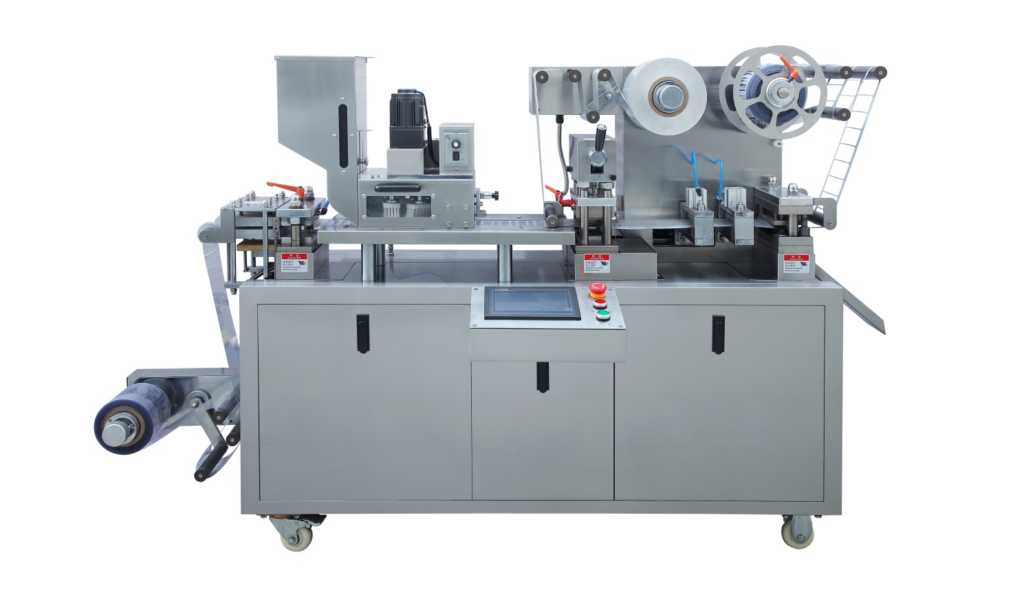
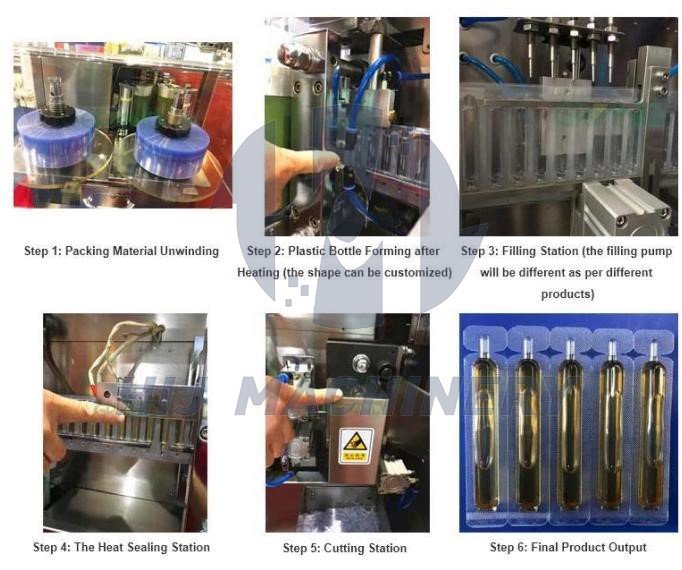
The first-party DPP-100 Alu-PVC document, for example, lists PVC hard film and PTP aluminium film as separate inputs. It also describes distinct forming, feeding, heat-sealing and cutting stages. That is a practical reason to keep the base and lid as separate controlled items in a machine enquiry.
TekniPlex's barrier-packaging portfolio includes coated PVC, Aclar/PCTFE-related laminates and non-PVC structures. These are different material systems, not interchangeable labels for one generic film.
ACG's packaging-foil range distinguishes cold-form base foils from lidding materials. An aluminium-containing base is not necessarily a sheet of pure aluminium, and the appropriate lid still needs a defined seal interface.
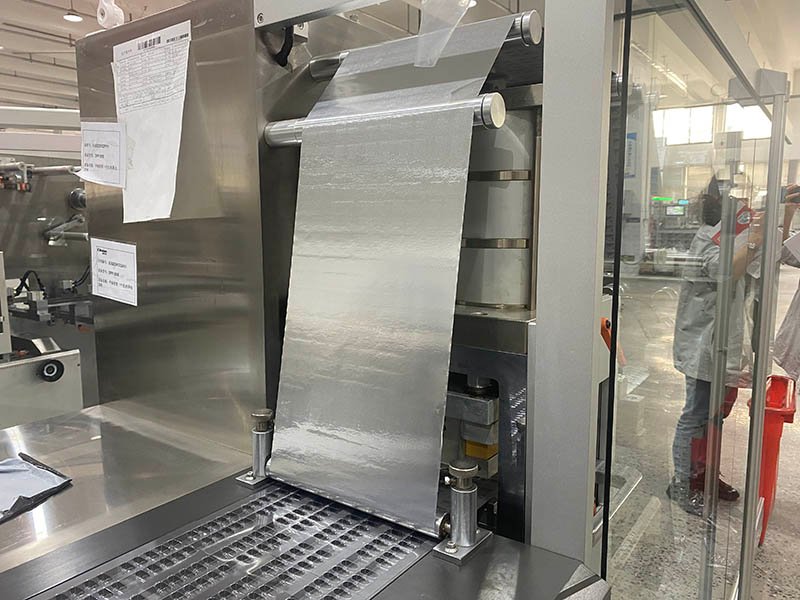
Compare the proposed pair of materials with the actual cavity drawing, forming route, sealing tools and cutting layout. The blister packaging materials guide covers that narrower PVC, coated-film and Alu-Alu decision in more detail.
For rigid containers, include the closure and finished geometry
Material selection continues after the container body. A glass vial with its stopper and cap, or a polymer syringe with its tip closure and plunger system, must be reviewed as the intended assembled pack.
SCHOTT Pharma describes both borosilicate-glass and pharmaceutical-grade COC-polymer routes in its portfolio. This establishes distinct material options, not universal interchangeability or suitability for every formulation.
For equipment evaluation, provide the finished dimensions and tolerances, contact or support surfaces, closure presentation and permitted handling forces. A nominal fill size alone does not define the clearance needed around a cap, flange, label or protective feature.
Keep transport protection separate from primary containment. A syringe tray or outer blister may organize and protect the device without being the drug-contact container or its closure. Use the syringe packaging materials guide for the specific distinction between container presentation, outer packaging and a defined sterile-barrier task.
Turn the material choice into a usable machine specification
A useful specification gives the machine supplier enough information to review feeding, forming, sealing, printing and discharge. For medicine packaging materials, keep the component identity attached to the process conditions under which it will be evaluated.
- Identity and structure: supplier, material code, revision, complete layer order, product-contact side and sealant or coating identification.
- Physical presentation: thickness and tolerance, width, roll core and outside diameter, winding direction, splice arrangement or component delivery format.
- Pack geometry: controlled cavity or container drawing, sealing area, cutting features, finished dimensions and accepted component variation.
- Printing and coding: approved artwork, repeat length, registration mark, required variable information and where that information must remain after cutting.
- Process and evidence: the material supplier's relevant processing information, proposed trial conditions and finished-pack acceptance methods.
- Traceability: specification revision, incoming-lot identity, sample identification and ownership of open technical decisions.
Also distinguish quantities with different units. Total thickness, individual layer thickness, coating weight and board grammage describe different properties. A shorthand material name or a single total-gauge figure cannot replace them all.
Review material changes before changing the production setup
A replacement roll or carton can appear similar while changing the surface, stiffness, sealant, friction, print response or dimensional behaviour relevant to the line. Review the changed specification first, so the trial tests a known difference.
- Identify the controlled change. Compare old and proposed material codes, structures, tolerances and component drawings. Include changes in converter, coating or artwork.
- Map affected operations. Identify the unwind, forming, sealing, printing, cutting, inspection or cartoning functions that could be affected.
- Review contact and protection evidence. Let the product and quality teams determine which compatibility, package-performance or other assessments need updating.
- Trial representative material. Record the actual lot, settings, tools, samples, operating conditions and observed results. Preserve both accepted units and the reason for rejects.
- Complete the agreed approval. Resolve deviations, confirm the defined pack and line acceptance criteria, and update the relevant specifications and production instructions.
Evaluate the complete route, including starts, stops and the transition into downstream handling where relevant. An empty-material run can reveal feeding behaviour, but the filled and closed pack is needed for the decisions that depend on product, seals and finished geometry.
Keep the outer carton and sustainability review in the same project
A change to the primary pack can alter its finished dimensions, rigidity or grouping. Check the carton and insert layout against those actual units rather than carrying forward an old external size.
For cartoning, identify the board construction, thickness or grammage as applicable, crease quality, flap arrangement and leaflet presentation. These inputs help review opening, loading and closing without assuming that every board grade behaves the same.
When assessing a mono-material or other sustainability proposal, request the full construction and supporting information for the intended disposal route. Keep product protection, opening requirements and production performance in the decision. A simplified material description alone does not establish local recyclability or validate a replacement pack.
The broader pharmaceutical packaging machine selection guide helps place these material decisions within the complete equipment scope. The HIJ blister machine range is the commercial route for a configuration review using the actual pack and materials.
Questions about pharmaceutical packaging materials
What are the main types of pharmaceutical packaging materials?
Common families include polymer films, aluminium-based foils and laminates, glass or rigid-polymer containers, closure materials and paperboard outer components. Start with each component's role and complete structure rather than treating these families as an approved list for every product.
Are Alu-Alu blisters made only from aluminium?
The cold-form base is a specified laminate that includes aluminium with other layers, and the pack also has a separate lidding system. Request the complete base and lid specifications; the Alu-Alu name does not identify every layer or sealing requirement.
Can any lidding foil seal to any plastic forming film?
No general compatibility should be assumed. The specified substrate, coating or sealant, surface condition, tools and process conditions form the seal system. Have the proposed pairing assessed and demonstrated against the agreed finished-pack criteria.
Can a packaging-machine supplier approve the drug-contact material?
The machine supplier can review the configured equipment and demonstrate its agreed functions. Drug-product compatibility, protection and required quality approvals remain part of the product owner's assessment with the relevant material suppliers and specialists.
Does changing film thickness require new tooling?
It depends on the material system, pack geometry and configured process. Review forming, sealing, traction, cutting and finished-pack results before deciding whether tools, settings or other components need changing. Do not infer the answer from thickness alone.
Review your material before specifying the machine
Share the material code and full construction, representative samples, pack drawing and required output. Identify the components that are already approved and the forming, sealing or handling questions the equipment review needs to resolve.
HIJ can review the relevant packaging-machine configuration against those inputs. This is an equipment enquiry, not an offer to approve or supply every pharmaceutical packaging material.
Review My Material and Machine Fit