Get Quote
Cosmetic filling equipment · manufacturer selection

Cosmetic Filling Machine Manufacturer

Compare a manufacturer by the evidence behind the machine: product trials, container and closure review, change-parts planning, inspection scope, FAT criteria and support after delivery.

Liquids & serumsCreams & lotionsTubes & jarsAmpoules & sachets
Application reviewproduct, pack and output
Configuration matrixbase machine and change parts
Factory acceptanceagreed trials and evidence
Itemized scopemachine, options and services
Compare Manufacturers
Direct manufacturer or intermediary?

Choose the Project Route Before Comparing Prices

The word “manufacturer” is not enough. Confirm who owns application engineering, drawings, software, change parts, trials, documentation and post-delivery support.

Supplier routeWhat the buyer should confirmBest useMain risk to control
Direct machine manufacturerEngineering ownership, build location, drawing control, software access, FAT responsibility and spare-parts routeConfigured standalone machines and repeatable machine familiesDo not assume every option or format is included in the base model
Line integratorInterface ownership, line controls, upstream/downstream responsibilities and site acceptance boundaryMulti-machine lines with conveyors, inspection, labeling, cartoning or case packingResponsibility gaps between individual equipment suppliers
Trading or sourcing companyActual manufacturer identity, technical communication path, warranty owner and source of replacement partsProjects where local procurement support is more important than direct engineering accessDelayed decisions and incomplete traceability to the builder

Fast check: ask who will approve your product path, container drawing, format-parts list, test protocol and final open-item list.

Machine families

Match the Cosmetic Product and Pack to the Correct Filling Platform

A useful manufacturer comparison starts with the application. The pump, hopper, product path, filling method, closing process and inspection plan follow the actual formula and package.

Application routing matrix

Brief the Manufacturer With Product and Package Facts

Do not request “one cosmetic filler for everything.” Group SKUs by behavior and pack so the quotation can show shared parts, dedicated change parts and unsupported combinations.

ApplicationProduct behavior to testPack details to provideConfiguration questions
Thin liquids and oilsDripping, foaming, volatility, small-dose repeatability and compatibilityBottle or ampoule drawing, neck, closure, fill range and headspacePump type, nozzle shut-off, container handling and closing method
Creams and lotionsViscosity, stringing, trapped air, temperature sensitivity and cleanabilityJar, bottle or tube samples; opening and closure detailsHopper, feed assistance, agitation, piston/nozzle path and cut-off
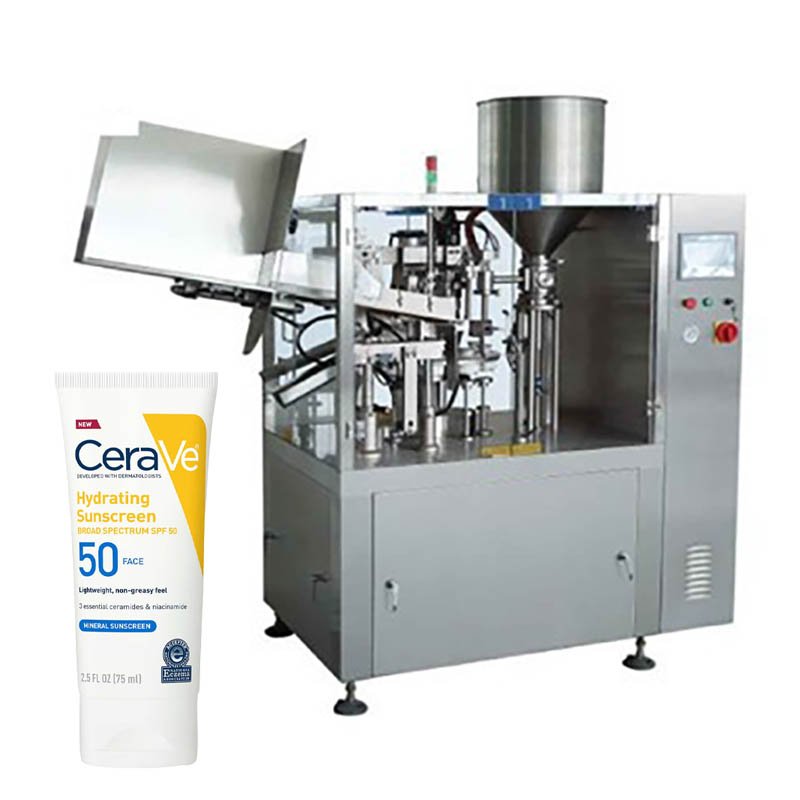
TubesProduct feed, fill profile, contamination at the seal and batch changesTube material, diameter, length, artwork, cap and orientation markLoading, orientation, filling, sealing or folding, coding and trimming
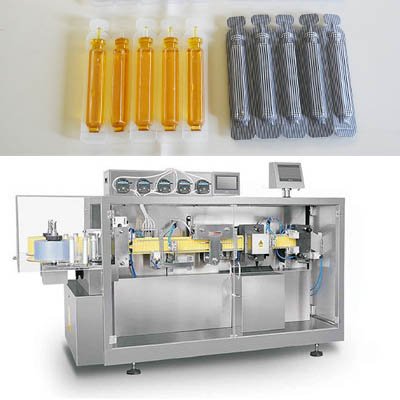
Flexible sachetsDose stability, seal contamination, dwell window and product migrationFilm structure, roll width, repeat length, artwork and opening methodLane count, dosing route, registration, sealing, coding and cutting
Mixed-SKU lineChangeover losses, cleaning sequence, restart stability and campaign sizeComplete SKU matrix and representative samples from every familyShared versus dedicated parts, changeover time, storage and validation

Final machine selection and performance must be confirmed against representative products, packs and agreed acceptance conditions.

Evidence before purchase order

What a Capable Cosmetic Filling Equipment Manufacturer Should Document

Replace broad claims with project evidence that procurement, production, quality and maintenance teams can review together.

Application basis

Approved inputs

Product description, pack drawings, samples, fill range, output target, utilities and operating environment.

Machine boundary

Included equipment

Base machine, product path, tooling, change parts, controls, coding, inspection, rejects and interfaces.

Material boundary

Product-contact route

Contact-part materials, seals, hoses, surface requirements and any certificates required by the buyer.

Performance basis

Accepted output

Product and format used, run duration, staffing, planned stops, defect rules and acceptance calculation.

Test boundary

FAT protocol

Normal production, challenge conditions, inspection checks, records, deviations and open-item closure.

Lifecycle boundary

Delivery and support

Packing, shipping, installation, training, spares, warranty route, remote response and site services.

Useful comparison rule: if two quotations do not define the same product, pack, output and acceptance basis, their prices are not yet comparable.

From enquiry to acceptance

A Manufacturer Workflow Buyers Can Audit

Assign an owner, input and acceptance record to every stage. This makes technical changes visible before they become delivery problems.

Define the URS

State products, packs, fill range, required accepted output, utilities, cleaning, documents and line interfaces.

Review samples

Inspect representative product behavior, containers, closures, drawings, artwork and tolerances.

Freeze the concept

Agree the machine route, dosing path, tooling, format matrix, inspection, controls and exclusions.

Build and document

Control approved drawings, purchased components, software, manuals, certificates and change records.

Run the FAT

Test normal production and agreed challenges with defined samples, duration, defect rules and records.

Close and support

Resolve open items, protect the approved configuration and define packing, delivery, training, spares and service.

Manufacturer comparison scorecard

Compare Cosmetic Filling Machine Manufacturers on 100 Points

Use the same evidence request for every shortlisted manufacturer. Adjust the weighting to match your project risk; do not award points for unsupported claims.

100

Evidence-based points

Score the quoted project, not the supplier’s brochure. Record the source document beside every result.

20 · Application fitTrials address actual formula, dose, pack and closure.
15 · Configuration clarityBase machine, options, shared parts and dedicated parts are itemized.
15 · Accepted outputPerformance basis includes product, format, duration, rejects and stops.
15 · FAT evidenceProtocol covers normal run, challenges, records and open items.
10 · Cleaning & changeoverAccess, tools, sequence, time and cross-product risks are defined.
10 · Controls & interfacesSignals, data, inspection, reject and downstream ownership are clear.
10 · DocumentationAgreed drawings, manuals, certificates and qualification support are listed.
5 · Lifecycle supportSpares, response route, training, warranty and site-service scope are written.
RFQ and quotation inputs

Get a Useful Proposal on the First Technical Round

A complete brief helps a cosmetic filling machine supplier separate confirmed scope, assumptions, options and items still requiring trials.

Send with the RFQ

  • Product name, viscosity or behavior and safety information
  • Minimum, normal and maximum fill volumes
  • Empty and filled pack samples plus controlled drawings
  • Closure, seal, artwork, coding and opening requirements
  • Required accepted output and campaign pattern
  • Utilities, room access and intended downstream equipment
  • Cleaning, documentation, inspection and regulatory needs

Expect in the proposal

  • Recommended machine family and application assumptions
  • Product path, hopper, pump, nozzle and closing route
  • Format-parts matrix for every quoted SKU
  • Inspection, reject, controls and interface boundaries
  • Quoted output basis and exclusions
  • FAT samples, protocol, duration and acceptance records
  • Delivery, packing, installation, training, spares and support

Price comparison starts after scope comparison. Tooling, feeding, closing, coding, inspection, documents and line integration can change the final quotation materially.

Review Cosmetic Machine Price Drivers
Buyer questions

Cosmetic Filling Machine Manufacturer FAQ

What does a cosmetic filling machine manufacturer supply?

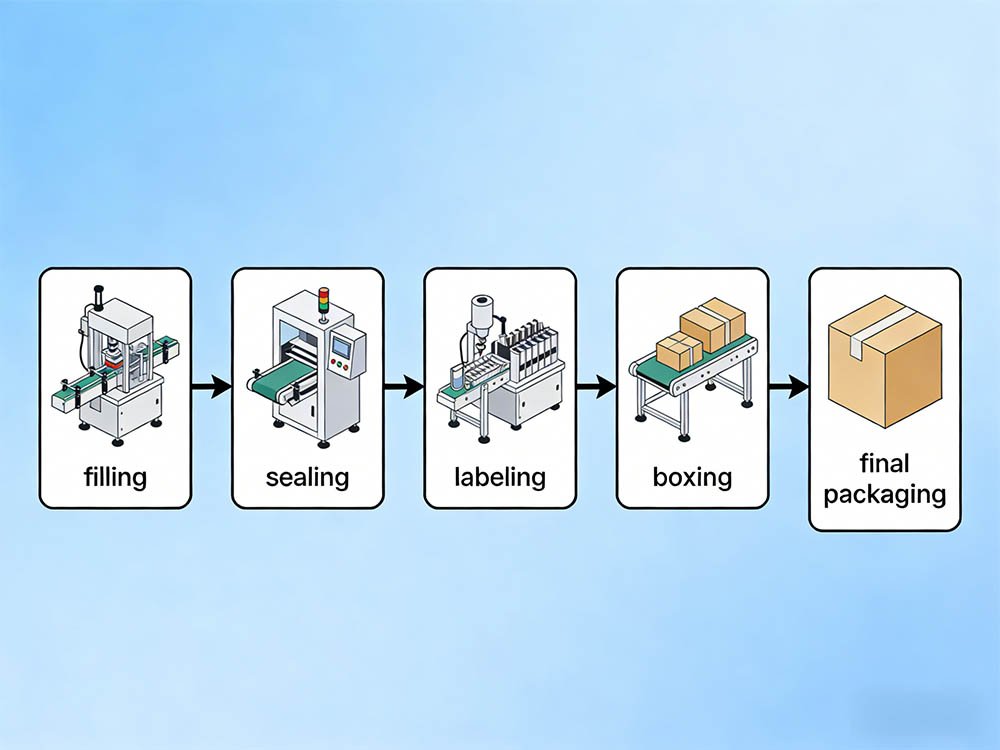
A manufacturer may supply a standalone filler, a filling-and-closing machine or an integrated line. The project scope can include product feeding, filling, closing, coding, inspection, rejects, labeling, cartoning and case packing, but every included function must be identified in the quotation.

How do I compare cosmetic filling machine manufacturers?

Compare them on application trials, configuration clarity, accepted-output basis, FAT evidence, cleaning and changeover, controls, documentation and lifecycle support. Use the same product, pack and acceptance inputs for every supplier.

Is buying directly from a manufacturer always better?

Direct access can simplify engineering decisions and spare-parts traceability, but it is not automatically better for every project. A capable integrator may be preferable for complex lines. Confirm who owns each interface, warranty decision and acceptance result.

What products can cosmetic filling equipment handle?

Depending on the configured product path, qualified systems may handle liquids, oils, serums, lotions, creams, gels, masks and similar personal-care products. Representative trials are required because viscosity alone does not describe foaming, stringing, particulates, temperature sensitivity or cleanability.

What samples should I send before quotation?

Send representative bulk product, empty and filled containers, closures, controlled drawings, artwork, code requirements and a complete SKU matrix. If production material is unavailable, identify the substitute and the remaining confirmation work.

How should filling-machine output be specified?

Specify accepted containers or packs per minute under stated conditions. Record the product, fill volume, format, staffing, run duration, planned stops, rejects, replenishment, changeovers and downstream interruptions behind the result.

What should be tested during FAT?

Agree a normal run plus relevant challenges such as container variation, missing or incorrect presentation, low product level, restart, coding, inspection and reject behavior. Retain settings, counts, samples, alarms, deviations and the signed open-item list.

Should the quotation include every SKU and change part?

Yes. The quotation should show which SKUs are included, which parts are shared, which parts are dedicated and which combinations still require samples or drawings. This prevents a low base price from hiding later tooling cost.

Project inquiry

Request a Cosmetic Filling Machine Proposal You Can Compare

Send the actual products, packs, fill range, accepted output and documentation requirements. HIJ can return a project route and itemized scope for technical review.

Product & pack

Formula behavior, fill range, containers, closures, drawings, artwork and representative samples.

Production target

Accepted output, campaign sizes, shift pattern, changeovers, cleaning and intended staffing.

Project boundary

Inspection, coding, controls, upstream and downstream interfaces, FAT, documents and site services.

View All Cosmetic Packaging Machines

Let's Design Your Production Line

Share your requirements and I'll personally craft a solution that maximizes your efficiency and profitability.