Wet Wipes Factory Planning · Founder’s Guide
Plan the product, claims, pack format, good output and complete project scope before you request machine prices.
What you need before starting a wet wipes business
The physical process usually includes liquid preparation, nonwoven converting, dosing and pack sealing, coding, inspection, and secondary packing. Some steps may begin with manual handling; others must be integrated from day one because they affect product quality or traceability. The correct boundary depends on the product and target market.
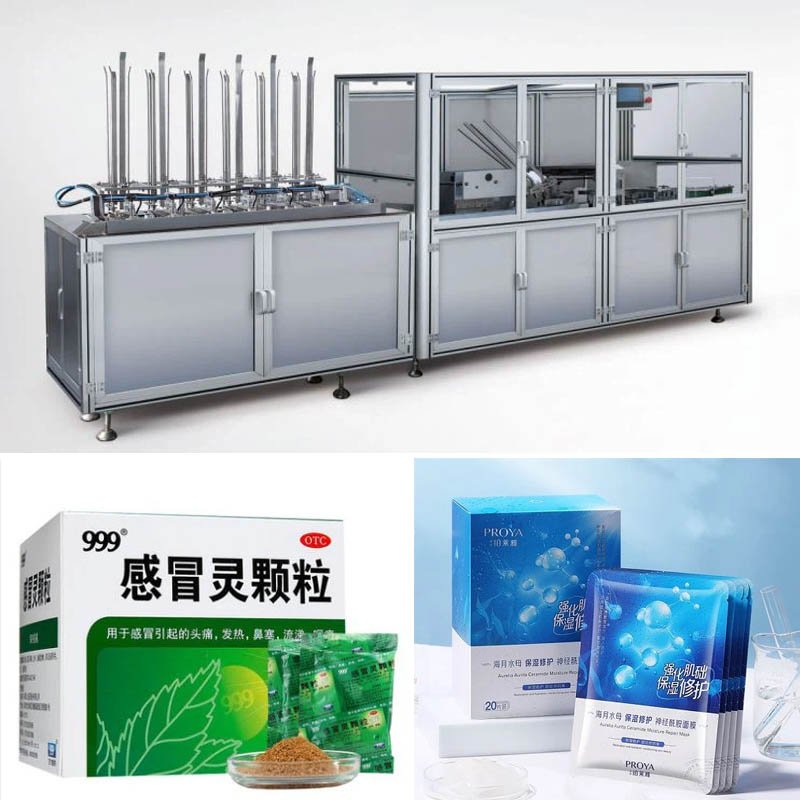
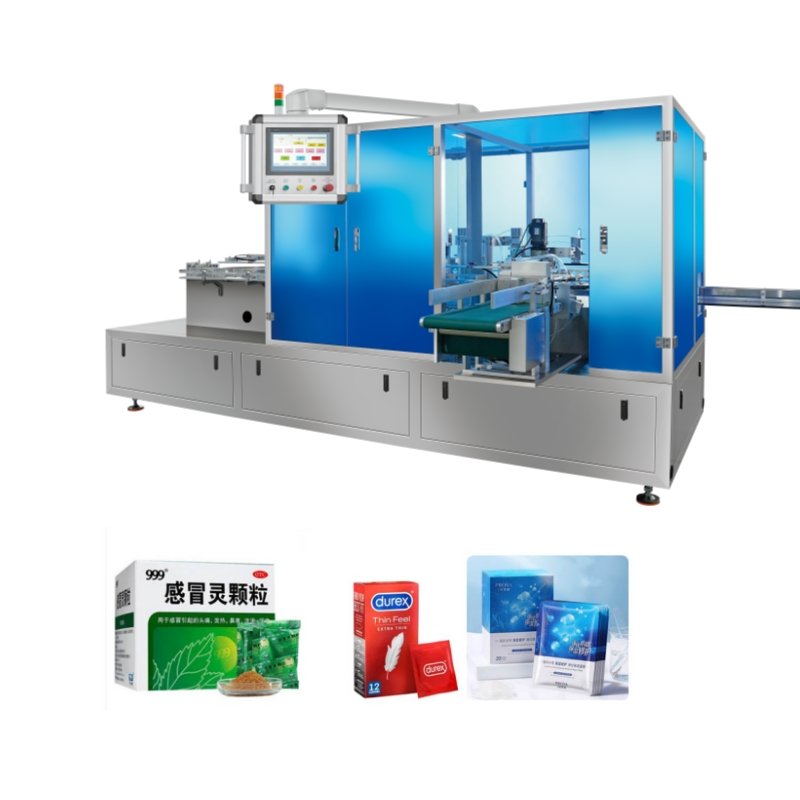
If you are still choosing between single-piece sachets and multi-piece soft packs, start with the wet wipes packaging machine range before building your business case.
Step 1: define the product and the claim
Do not begin with a machine model. Begin with the finished product your customer will buy. The formula, package and claim determine the material trial, hygiene plan, documentation and target-market review.
| Product family | Decisions to freeze | Evidence to request |
|---|---|---|
| Personal-care or baby wipes | Skin contact, fragrance, preservative system, wipe count and reclosure | Formula review, material compatibility and target-market requirements |
| Cosmetic or makeup-remover wipes | Formula viscosity, wipe texture, pack size, artwork and retail format | Dosing and seal trials with the actual formula and film |
| Disinfecting or antibacterial wipes | Active ingredients, claim wording, contact time, evaporation risk and pack barrier | Target-market regulatory review plus stability and pack-integrity evidence |
| Hospitality or refreshing wipes | Single-piece format, folded dimensions, dose, artwork range and case quantity | Registration, coding and sustained output with all intended SKUs |
| Industrial cleaning wipes | Chemical compatibility, wipe strength, dispensing method and labeling | Wetted-part, seal and storage compatibility evidence |
Regulatory classification depends on the product claim and market. Confirm the applicable pathway with the relevant authority or qualified adviser before approving labels or equipment documentation.
Step 2: build one launch specification
A supplier cannot price or test “wet wipes” as a generic product. Prepare one controlled specification for the first commercial SKU:
Product and materials
- Nonwoven material, basis weight, roll width and roll diameter.
- Unfolded and folded wipe dimensions.
- Liquid formula, target dose and acceptable variation.
- Packaging film structure, thickness, roll geometry and artwork.
- Wipes per pack and finished pack drawing.
Operations and quality
- Target good packs per shift and planned shift calendar.
- SKU list and expected changeover frequency.
- Coding, registration, inspection and rejection requirements.
- Cleaning, material traceability and documentation scope.
- Downstream bundle, carton and case requirements.
Step 3: map the complete production process
Liquid preparation and transfer
Define water quality, mixing, filtration, storage, transfer and cleaning around the actual formula. Tank size should follow batch planning and usable hold time—not a standard package offered with every line.
Nonwoven converting, liquid dosing and primary packing
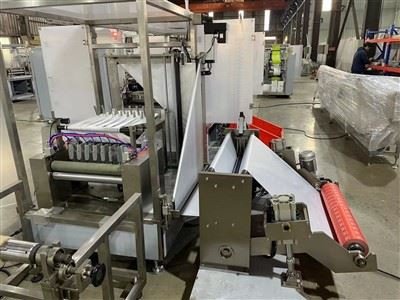
The core machine unwinds, folds and cuts the nonwoven, applies liquid, then forms and seals the package. The selected architecture must match the wipe format, dose, film, pack drawing and required good output. Single-piece multi-lane projects should also review the high-speed wet wipes packing machine.
Coding, inspection and rejection
Specify the required lot, date or other variable data; how it is verified; which pack conditions are inspected; and how rejected packs are physically separated and confirmed.
Secondary packing
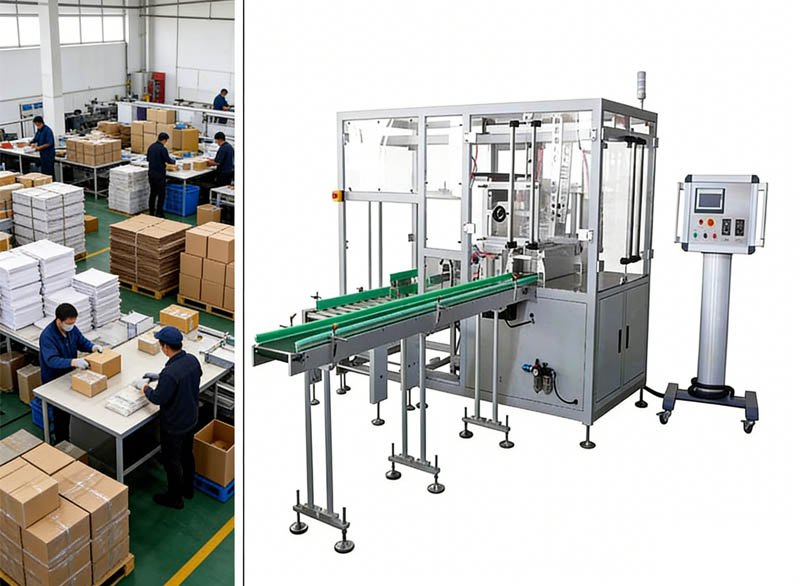
Cartoning, bundling and case packing may be manual, semi-automatic or integrated. Select the level from labor, good output, case configuration, accumulation needs and line-recovery behavior—not from the desire to call a project “fully automatic.”

Step 4: calculate capacity from sellable packs
Translate the sales plan into good output before choosing lane count. Separate planned running time from the full shift length by removing breaks, cleaning and changeovers.
Target good packs per shift ÷ planned running minutes = good packs per minute
Good packs per minute ÷ verified operating efficiency = nominal packs per minute
Use your own efficiency when it exists. For a new operation, ask every supplier to show the assumptions for stops, rejects, cleaning and format changes. A short peak speed is not a production plan.
The separate single-lane vs multi-lane wet wipes machine guide explains how demand stability, product mix, redundancy and line interfaces change the architecture decision.
Step 5: build a complete project budget
There is no responsible universal startup price. Two projects using the same core machine can have different totals after materials, tooling, liquid preparation, inspection, secondary packing, documentation, freight and site work are defined.
| Budget group | Include | Evidence before approval |
|---|---|---|
| Product development | Formula, materials, artwork, samples, stability and pack tests | Approved product specification and test plan |
| Primary processing | Liquid preparation, converting, dosing, forming, sealing and tooling | Itemized quotation matched to drawings and samples |
| Quality and traceability | Coding, inspection, rejection, instruments and records | URS, data-flow description and challenge tests |
| Secondary packing | Counting, bundling, cartoning, case packing and accumulation | Line layout and interface description |
| Factory and utilities | Rooms, hygiene controls, power, air, water, drainage and storage | Utility schedule and approved layout |
| Delivery and start-up | Freight, duties, installation, training, spares and commissioning | Responsibility matrix and acceptance schedule |
| Operating capital | Nonwoven, liquid ingredients, film, cartons, labor and inventory | Supplier quotations and launch-volume plan |
Product development + equipment + factory + delivery + launch inventory + working capital
Ask for an itemized quotation. If a number cannot be connected to a defined scope, it is not yet usable in the business plan.
Step 6: prepare the factory and quality system
Final requirements depend on the product and market, but the project team should resolve these items before equipment arrives:
- Material flow: receiving, quarantine, approved storage, production and finished-goods movement.
- People flow: gowning, access, training and separation from material routes where required.
- Liquid control: water monitoring, formula preparation, transfer, cleaning and batch records.
- Environmental and hygiene controls: room finishes, drainage, cleaning access and contamination controls appropriate to the product.
- Traceability: material lots, production batch, coding, inspection results and release records.
- Utilities: confirmed voltage, frequency, compressed air, water, drainage, extraction and network interfaces.

Step 7: approve the supplier with project evidence
Put acceptance criteria into the URS and FAT plan before the order. A useful FAT is a controlled trial of your project, not a general machine demonstration.
- Confirm the scope. Match every machine, option, format part, service and document to the quotation.
- Run actual materials. Use representative nonwoven, liquid and packaging film with the approved pack drawing.
- Measure good output. Record accepted packs, rejects, stops and restart behavior during a sustained run.
- Challenge controls. Test material absence, code or inspection failure, rejection, alarms and recovery.
- Close documentation. Agree drawings, manuals, certificates, spare parts, training and unresolved actions before shipment.
Frequently asked questions
What equipment is needed to start a wet wipes business?
The core scope normally covers liquid preparation and transfer, nonwoven converting, liquid dosing, pack forming and sealing, coding, inspection and rejection. Secondary cartoning and case packing may be manual or automated according to output and pack format.
How much does it cost to start a wet wipes manufacturing business?
There is no universal figure. The total depends on product development, liquid preparation, pack format, lane architecture, tooling, inspection, secondary packing, factory work, freight, launch inventory and working capital. Request an itemized quotation against one approved specification.
How do I calculate the required wet wipes machine capacity?
Divide target good packs per shift by planned running minutes, then divide that result by the verified operating efficiency. Repeat the calculation for the peak SKU and the actual product mix.
Should a startup choose a single-lane or multi-lane machine?
Single-lane equipment often suits uncertain demand, frequent format changes or phased expansion. Multi-lane equipment becomes stronger when stable demand can occupy the combined capacity and upstream and downstream systems can support it. Confirm the decision with a line-level comparison.
Is wet wipes manufacturing profitable?
Profitability depends on selling price, materials, labor, utilization, rejects, changeovers, overhead and working capital. Build a model from supplier quotations and realistic sales assumptions; machine speed or lane count alone cannot prove profitability.
What samples should I send the machine supplier?
Send representative nonwoven, liquid and film plus the wipe drawing, finished pack drawing, dose requirement, artwork, target good output, SKU list and inspection requirements. Identify which materials are final and which remain provisional.
What licenses or standards apply to wet wipes?
The pathway depends on the product claim and target market. Cosmetic, personal-care, disinfecting, medical and industrial claims can follow different rules. Confirm classification, testing and labeling with the relevant authority or qualified adviser before finalizing the equipment and documentation scope.
What should the wet wipes line FAT prove?
The FAT should prove sustained good output using project materials, dosing and seal consistency, coding and inspection, physical rejection, alarms, stop and restart behavior, changeover where required, and delivery of the agreed documents.
Turn the business idea into a quotable project
Send HIJ your wipe, liquid, film, pack drawing, target good output, SKU plan and destination. We will return a proposed line boundary and the missing inputs needed for an itemized quotation.
Request a Project-Scope Review