Choose the machine from the capsule, formulation, acceptable output, cleaning boundary and evidence your project must produce—not from catalogue speed alone. This guide turns those inputs into a practical 12-point shortlist.
1–3. Define the product and capsule before choosing a machine class
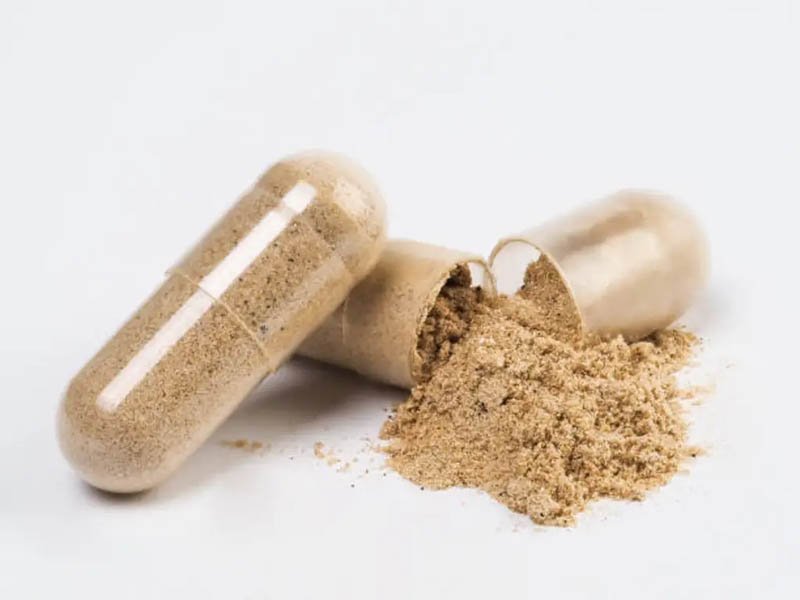
A powder capsule filler is selected around a controlled product-and-component set. Begin with the formulation you intend to run, the capsule families you intend to buy and the acceptable finished-capsule result. If those inputs are vague, a supplier can only quote assumptions.
Powder behavior
Record bulk and tapped density, flow tendency, cohesion, moisture sensitivity, electrostatic behavior and any segregation concern. Include the expected operating range, not one ideal laboratory result.
Capsule system
Name the capsule supplier, shell material, sizes, colors and any banding or downstream requirement. Supply current drawings and production samples where available.
Acceptance result
Define target fill mass or volume, permitted variation, shell-defect criteria, closure criteria and the sampling method your team will use during trial and FAT.
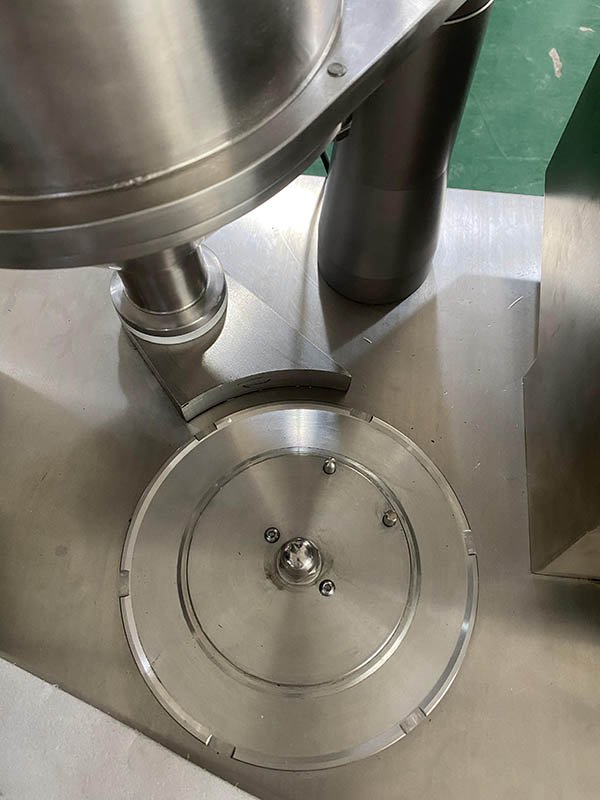
Build one representative sample pack
- Production-intent powder or a technically justified surrogate
- Empty capsules from the intended supplier and lot range
- Target fill mass and acceptable test method
- Minimum and maximum operating conditions to challenge
- Cleaning, dust and cross-contamination constraints
- Planned products and capsule sizes for changeover review
Do not assume two powders with similar names will feed alike. The trial must represent the formulation properties that matter to dosing.
4–5. Match the dosing principle to the powder, then prove it by trial
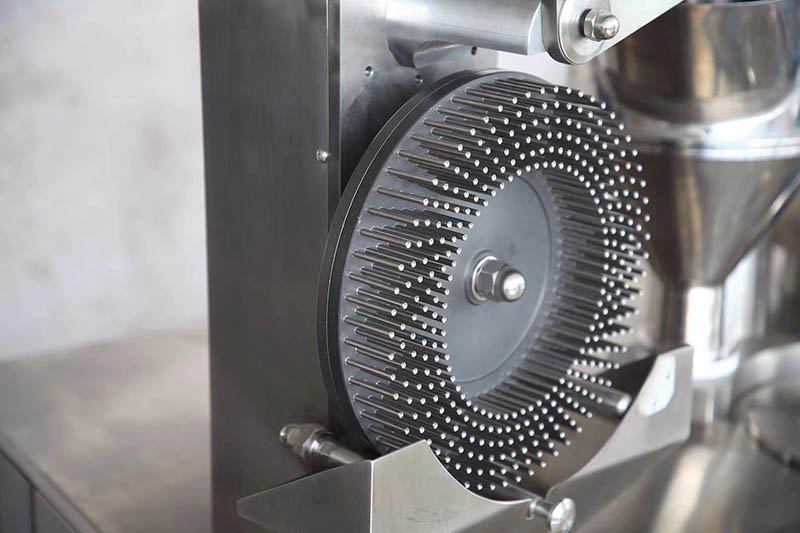
Tamping-pin and dosator systems both meter powder into hard capsules, but they form and transfer the dose differently. Neither method is universally superior. The useful question is which route gives repeatable, clean and maintainable performance with your formulation and target capsule.
| Decision area | Tamping-pin route | Dosator route |
|---|---|---|
| Dose formation | Powder is compacted progressively in a dosing disc before transfer. | Powder is collected and retained inside a dosing tube before discharge. |
| Questions to test | Powder-bed consistency, plug formation, compression settings and transfer into the body. | Powder retention, piston settings, tube filling, discharge and sensitivity to bed condition. |
| Change review | Dosing-disc and tamping settings may change with fill range and product behavior. | Dosator geometry and settings may change with the dose and formulation. |
| Selection evidence | Representative trial data, reject observations, cleaning access and stable operation over an agreed run—not the system name alone. | |
Specify what the trial must show
- Individual results across an agreed sample, not only an average
- Start-up, steady running and restart behavior
- Powder-level control and response as the hopper changes
- Empty, underfilled, damaged or unseparated capsule handling
- Powder loss, dust accumulation and cleaning observations
- Machine settings recorded so the result can be repeated
For a deeper comparison, use the tamping-pin versus dosator guide. If the formulation is already difficult, review the powder flowability guide before freezing the machine specification.
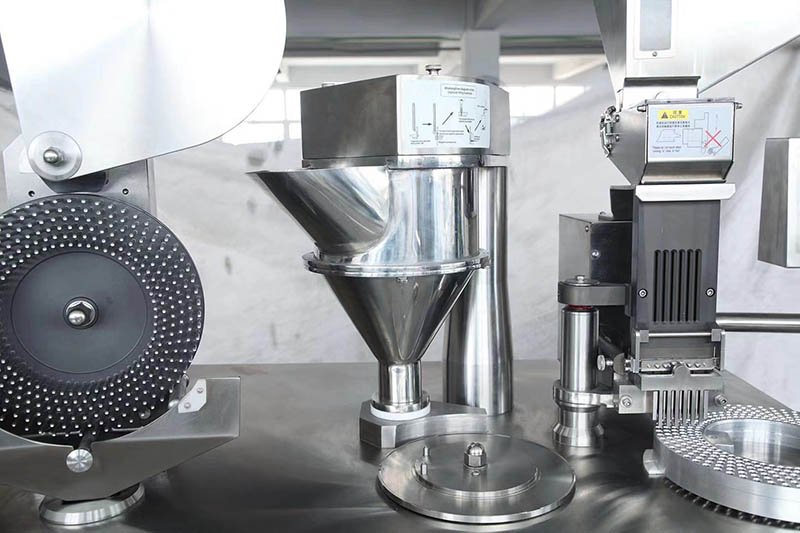
6–7. Size for sustained acceptable output, not headline speed
Rated speed is a platform reference. Project capacity depends on the formulation, capsule, operator work, feeding stability, inspection, changeover, cleaning and the acceptance rate. Convert demand into required good capsules per available production hour, then ask the supplier to show how the proposed line can support that target.
The available productive hours should exclude planned cleaning, changeover, warm-up, checks and breaks. Keep utilization and acceptable-yield assumptions visible in the calculation so procurement, production and QA can challenge them together.
Manual or bench route
Useful where volumes are low, product variety is high or the process is still being developed. Labor, operator technique and manual inspection become central capacity inputs.
Semi-automatic route
Can separate key operations while keeping more operator handling. Confirm staffing, transfer steps and the sustained output of the complete work cycle.
Automatic route
Integrates capsule feeding, separation, dosing, rejection and locking. Confirm upstream supply, downstream checks and changeover work as part of the line.
Ask for a capacity bridge
- Catalogue rate for the proposed machine platform
- Trial rate with the intended product and capsule
- Expected rejects and the method used to classify them
- Planned downtime for changeover, checks and cleaning
- Operator and material-supply assumptions
- Required downstream inspection or handling limits
8. Treat every capsule size and supplier family as a tooling decision
A statement such as “sizes 00–5 supported” describes a platform range, not what arrives with the machine. The purchase scope must identify every production format, its change parts, the supplied quantity and the evidence that the parts were fitted and tested on the delivered machine.
Define the format matrix
- Capsule supplier, shell material and commercial family
- Capsule size and production-intent color combinations
- Change-part set supplied for each required size
- Dosing parts required for the intended fill range
- Cleaning tools, storage and identification for loose parts
- Recipe, adjustment and inspection steps after changeover
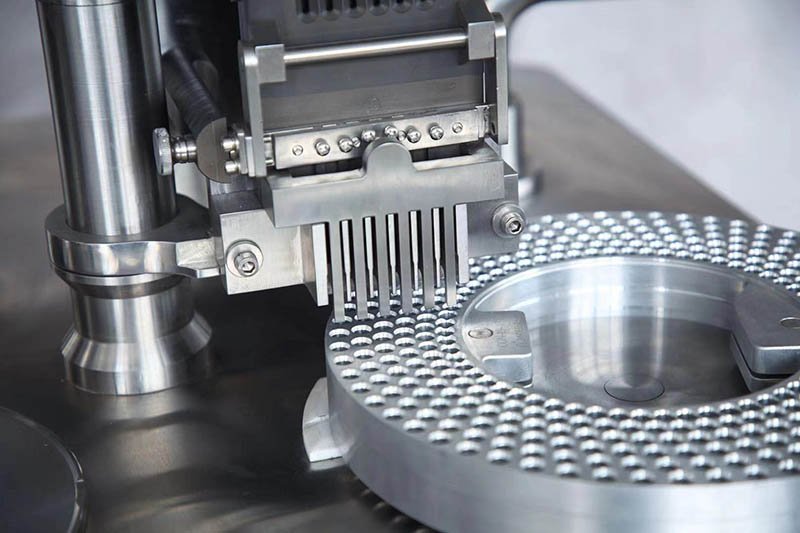
Time the complete changeover
Do not measure only the mechanical swap. A useful changeover study begins after the previous batch stops and ends when the next format is ready to make acceptable capsules. Include line clearance, cleaning, part exchange, recipe loading, adjustment, verification and documentation.
Ask the supplier to demonstrate one representative change during FAT and record the tools, people and adjustments used. That evidence is more useful than a single promised time because it shows what your operating procedure must contain.
9–10. Define the dust, cleaning and containment boundary
Powder handling affects operator exposure, cross-contamination control, yield, housekeeping and the repeatability of the dosing bed. “Enclosed” or “GMP design” is not a complete requirement. Define where powder can escape, what must be removed for cleaning and which controls belong to the machine, room or facility.
Product contact
Identify contact surfaces, materials, surface-finish requirements where applicable, seals, lubricants and the method used to identify and protect cleaned parts.
Dust route
Map extraction points, vacuum requirements, collected-powder handling and the interfaces to site dust collection or containment equipment.
Cleaning route
Define dry or wet cleaning, disassembly limits, access, tools, drying, inspection and the criteria used before the next product is released.
Questions for the URS and design review
- Which parts are removed, and which remain in place?
- Can operators see and reach powder traps and hidden ledges?
- How are size parts identified, stored and protected?
- What utilities and extraction performance must the site provide?
- Which alarms or interlocks indicate a failed extraction condition?
- How will cleaning evidence be generated at the customer site?
- Does the product require a separate containment assessment?
For recurring defects such as poor separation, weight variation or locking faults, use the powder capsule filling troubleshooting guide to connect symptoms to product, setting and mechanical checks.

11–12. Compare suppliers with one evidence-based scorecard
Use the same request package and acceptance language for every supplier. A comparison based on different assumptions rewards the shortest quotation, not the best technical fit. Score each item only when the supplier provides the stated evidence or agrees how it will be produced.
Turn the scorecard into a FAT boundary
Before the test, agree the machine configuration, utilities, test material, run duration, sampling points, acceptable conditions, reject challenges and open-item process. Record deviations rather than editing them out of the final video.
The capsule filling machine FAT checklist can be used to build the witness plan. For site responsibilities after delivery, review the capsule filling machine qualification and validation guide.
Powder capsule filling machine selection FAQ
What information should I send before requesting a quotation?
Send the formulation type and available powder data, target fill mass, capsule supplier and sizes, required good output, product list, cleaning and containment needs, site utilities, inspection requirements and the documentation expected with the machine. Representative powder and capsule samples should follow before tooling and FAT criteria are finalized.
Should I choose a tamping-pin or dosator capsule filler?
Choose from trial evidence rather than a universal rule. Compare how each proposed system forms, retains and transfers the dose with your powder, then assess individual fill results, rejects, dust, cleaning and stable operation over an agreed run. Formulation behavior and fill range matter more than the dosing-system label.
How should capsule filling machine capacity be calculated?
Start with required good capsules per shift and divide by the productive hours actually available after planned checks, cleaning and changeover. Then include visible assumptions for utilization and acceptable yield. Ask the supplier to bridge that requirement to a demonstrated rate with the intended formulation and capsule.
Can one machine run several capsule sizes?
Many platforms support several capsule sizes, but each required format must be identified in the purchase scope. Confirm the capsule supplier and family, size-specific change parts, dosing parts, recipes, storage and test evidence. Platform range alone does not mean every format set is included.
What should be tested with my powder before purchase?
Agree start-up, steady running and restart conditions; individual fill results; capsule separation and locking; rejects; powder-level response; dust and cleaning observations; and the settings needed to repeat the result. Use production-intent material or a technically justified surrogate and define acceptance criteria before the run.
What documents should be included with a capsule filling machine?
The exact package is project-specific, but it commonly includes operating and maintenance manuals, electrical and pneumatic information, parts lists, material records for specified product-contact parts, calibration records where agreed, FAT protocol and results, and qualification-support documents defined in the contract. The customer should approve the document list before order release.
Does a machine described as “GMP” remove the need for qualification?
No. Design features and supplier documents can support the customer’s program, but they do not replace site installation checks, qualification, process validation, cleaning validation, procedures or batch-release controls. Define the supplier/customer boundary in the URS, document list and acceptance plan.
How do I compare two capsule filling machine quotations?
Issue the same input package to both suppliers and compare line by line: machine configuration, format and dosing parts, product trial, capacity assumptions, cleaning and extraction boundary, controls, documentation, FAT, spare parts, packing, delivery terms, installation support and exclusions. Resolve different assumptions before comparing totals.
Turn your 12 inputs into a testable machine proposal
Share the powder, capsule formats, required good output and acceptance needs. HIJ can map those inputs to a machine route, tooling scope, trial plan and FAT boundary for your review.