Engineering guide · From product infeed to agreed finished-pack output
Turnkey Syringe Blister Packaging Line: Scope & Integration
A turnkey syringe blister packaging line connects the agreed packing operations into one coordinated project. Its scope is defined by the incoming syringe, finished pack, included stations, interfaces, acceptance evidence and delivery responsibilities. Cartoning, serialization, case packing and palletizing belong in that scope only when the project requires and includes them.
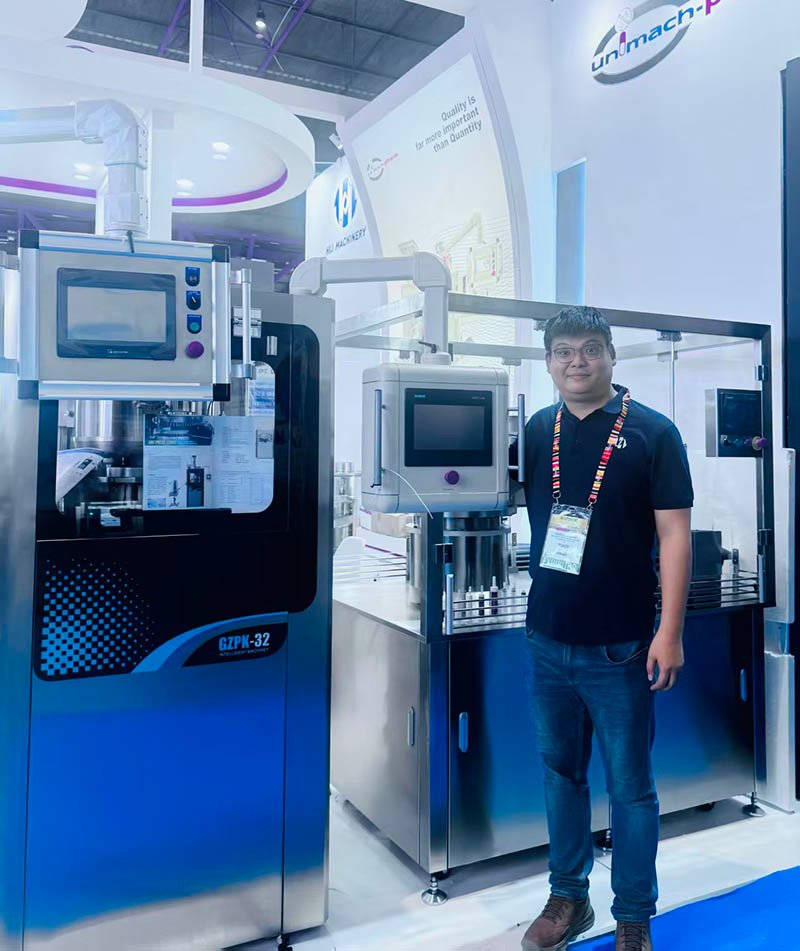
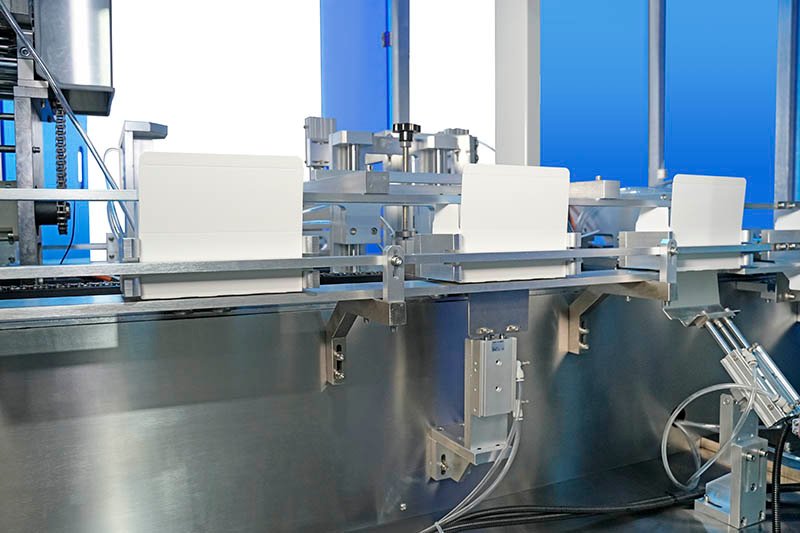
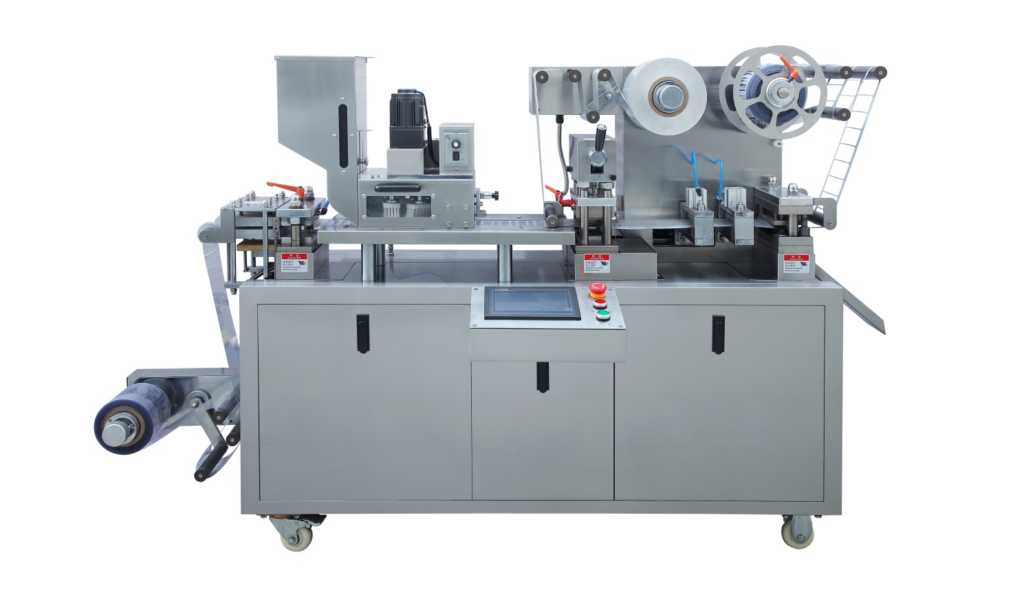
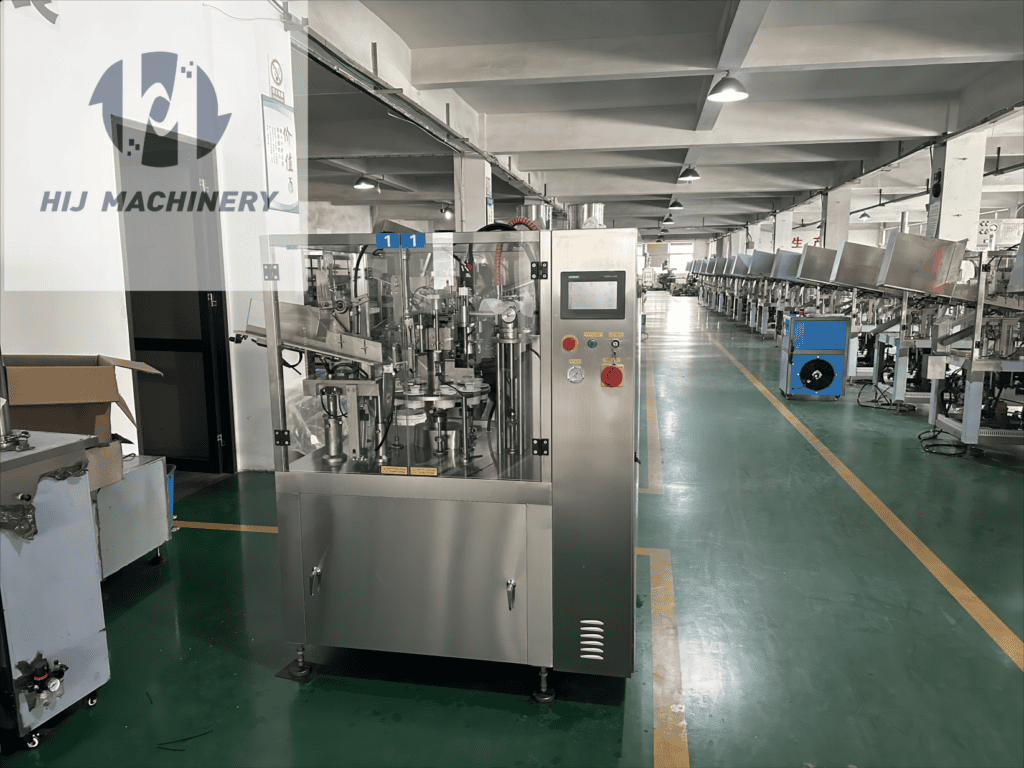
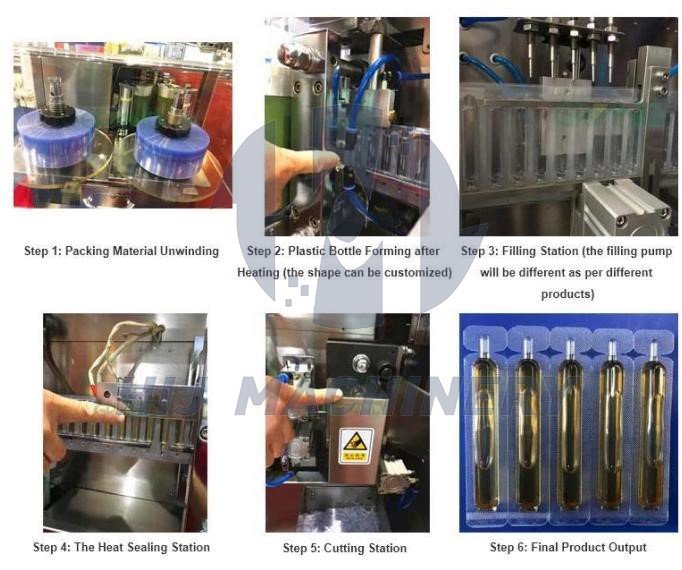
Follow the process photographs below to review each handover, then use the scope and acceptance tables to compare the complete line proposal.
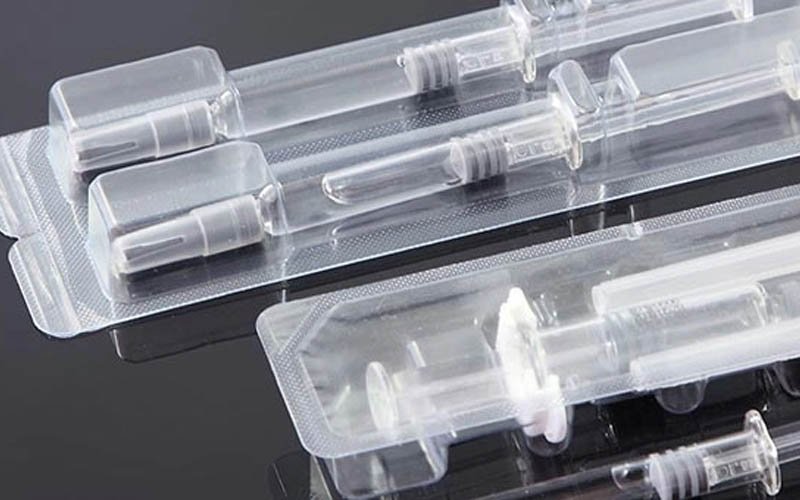
Syringe blister application reference. Define the complete pack and its intended role before selecting the line.
1. Define what “turnkey” means for this project
The word “turnkey” is useful when it describes an agreed result and a clear delivery boundary. It is incomplete when it only appears above a list of machines. Start by stating where the supplier receives the product and where the supplier hands over the accepted finished pack.
For example, a line may receive assembled syringes in an agreed orientation and discharge sealed blisters. Another may receive labeled, filled and closed syringes and discharge cartons containing a specified blister and leaflet. A broader project may also include case packing. Each can have a coordinated delivery scope; the quotation must say which result it covers.
Separate final outer packing from syringe filling, stoppering, capping and any upstream container preparation. Those activities require their own defined equipment and product-handling scope. A labeler shown beside the packing machine does not establish whether it is supplied, already installed or only an interface reference.
Nominate the lead integration contact and assign the responsibilities of the equipment supplier, other vendors and the user’s engineering and quality teams. Single-point coordination can simplify the project, but user approvals and site responsibilities still need owners. The syringe blister machine URS guide explains how to turn these boundaries into requirements.
| Boundary to define | A useful written statement |
|---|---|
| Incoming product | Finished assembly revision, incoming presentation, upstream release state and the point of supply. |
| Outgoing pack | Accepted sealed blister, complete carton or other agreed output, with its product and packaging contents. |
| Included equipment | Named stations, transfer devices, format tooling, controls and options in the delivered configuration. |
| Excluded work | User-supplied equipment, utilities, building work, materials, testing or services outside the offer. |
| Integration responsibility | Who designs, supplies, installs and verifies each physical and control interface. |
| Acceptance and support | Evidence, approvals, open-item process, training, handover documents and service commitments. |
2. Map the packing route before selecting machines
A process map makes the intended line easier to review than a brochure model list. For a formed and sealed blister route, the sequence can include base-web supply, forming, syringe loading, agreed inspection, lidding and sealing, cutting and discharge. Cartoning adds blister supply, carton opening, leaflet insertion where required, product insertion, carton closure and final checks.
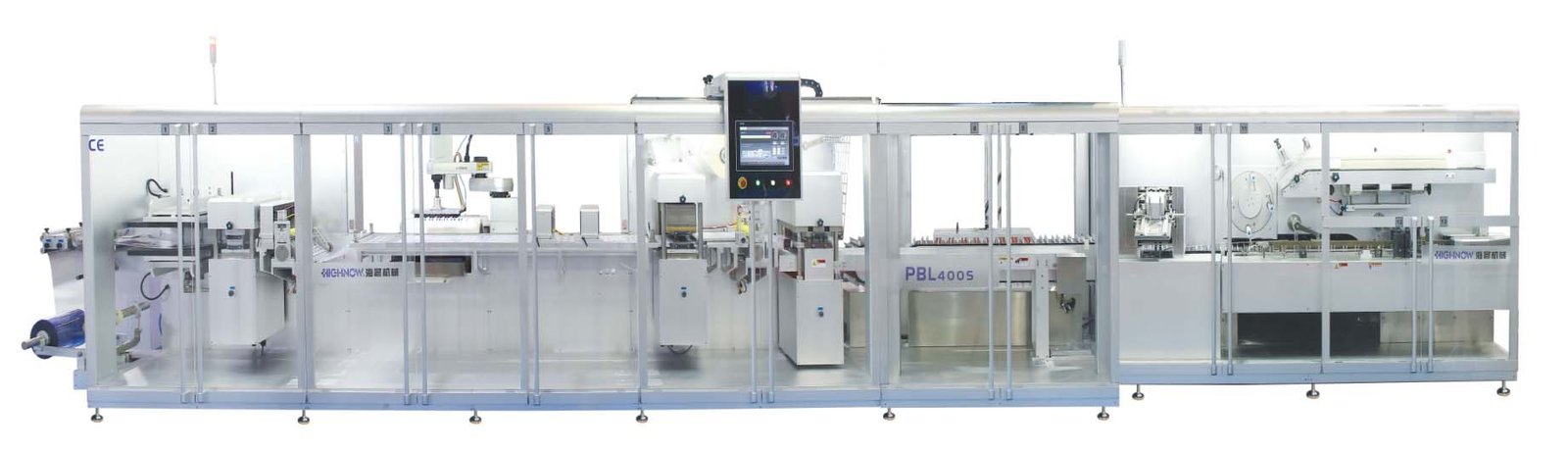
- Product infeed: receive the specified syringe presentation and establish orientation.
- Blister packing: form the cavity, load the required contents, seal and separate packs.
- Pack handover: preserve orientation, product identity and reject status during transfer.
- Cartoning, if included: combine the correct blister count, carton and leaflet, then close and check the carton.
- Agreed final output: discharge to the named downstream equipment or collection point.
This sequence is a discussion framework, not a mandatory station list for every syringe. A preformed tray route differs from web forming; an outer protective pack differs from a package with a defined sterile-barrier role. Identify that role before agreeing the materials, machinery and evidence.
Review the same process map with operations, maintenance and quality. Mark every manual replenishment, inspection point, reject collection and intervention. A line can automate the packing sequence while still requiring operators to supply products, rolls, cartons or leaflets. The map should make that operating model clear.
3. Syringe feeding: establish the product presentation and contact points
The line starts with a real handling problem: how the finished syringe arrives and how it is placed into the pack. Provide the complete assembly drawing and representative samples, including relevant cap, flange, plunger and safety-device variations. Identify the incoming orientation and whether the upstream equipment supplies individual products, an organized carrier or another presentation.
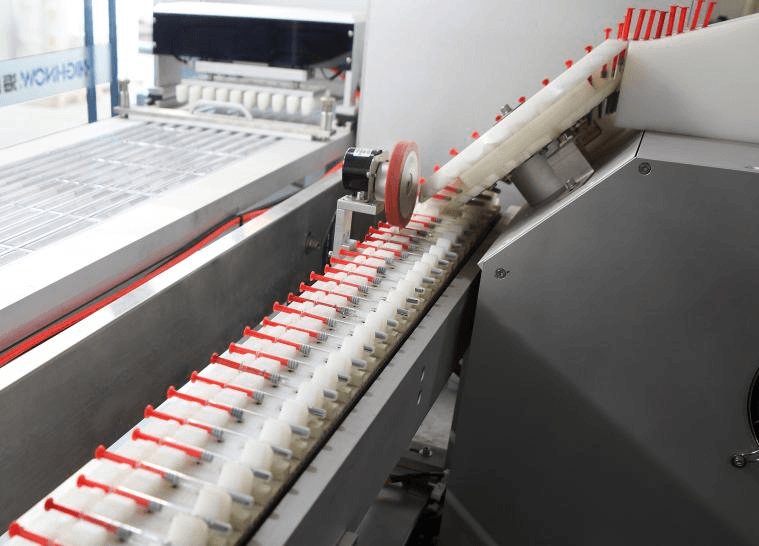
Evaluate the proposed track, supports, gripping method and loading motion against the product requirements. Define sensitive contact areas and any restrictions on compression, impacts, rubbing or unintended component movement. A demonstration with a bare barrel or a different cap is background evidence; it does not settle handling of the actual finished assembly.
Ask how the feed responds to a gap, incorrectly presented syringe, upstream stop and restart. Include the transition from an empty track to normal flow and the handling of products already inside the mechanism. The arrangement should have a defined way to recover without introducing unreviewed product to the accepted path.
The quotation should identify the feeder, orientation system, product loader, format parts, replenishment method and trial work included. Where an upstream labeler supplies products, agree its delivery height, orientation, output conditions and the stop/resume signals. The syringe feeding guide develops the loading choices, while the prefilled syringe packing guide explains why the finished assembly matters.
4. Blister forming and sealing: connect tooling to the approved package
Define the cavity around the complete syringe and any accessories, including the clearance and support needed during loading, sealing, cutting and subsequent handling. Discuss the pack count, opening method, material system and print or code areas together. A cavity that accepts a sample by hand is only one part of the process review.

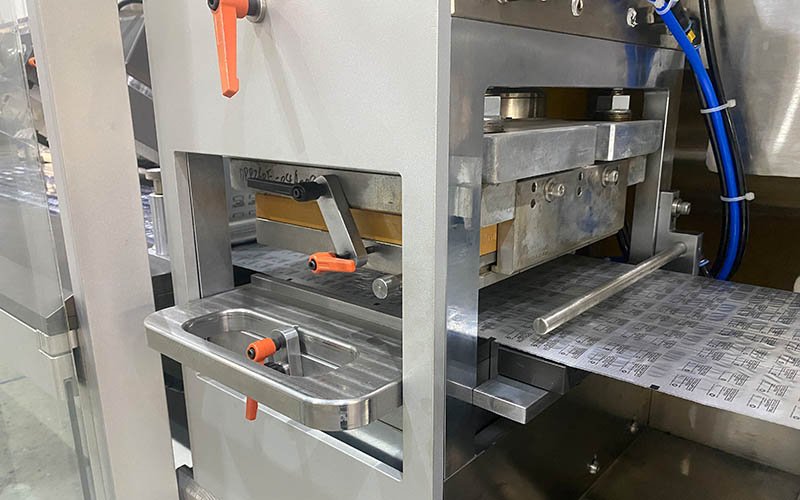
For web forming, the supplier should identify the proposed base material, tooling, forming method, indexing and the limits to be established by trials. For sealing, agree the actual base-and-lid combination, seal geometry, process controls and package test responsibilities. Relevant settings depend on the materials, equipment and package design; a universal temperature or pressure range is not a useful purchase specification.
Consider the product’s position and exposure during the complete process. The project should review potential contact with tooling, proximity to sealing surfaces and the effects of transfer and cutting. Where the product has handling or thermal limits, provide those limits and agree how the trial will assess the relevant conditions.
For terminally sterilized medical-device packaging, ISO 11607-2 covers forming, sealing and assembly process development and validation. Its public scope identifies limitations for aseptically manufactured devices and drug/device combinations. Establish the applicable project requirements instead of treating every syringe outer blister as the same type of package.
Specify the tooling supplied for each approved format and identify which pack or material decisions remain open. The syringe blister materials comparison helps structure the material discussion; the blister-versus-tray guide helps when the package route is still being selected.
5. Inspection and rejects: keep the decision connected to the pack
List the attributes the line needs to check and locate each check where the attribute can actually be observed. Depending on the project, checks may address product presence, orientation, accessories, coding, leaflet presence or carton condition. State what is covered, the limitations and how the proposed configuration will be verified.
An inspection result needs a controlled outcome. When a defective item moves from one machine to another, define how its status travels with it, where it is removed and how removal is confirmed. A camera at the loading station cannot by itself establish that the correct finished carton was rejected several stations later.
| Situation to challenge | Outcome to define and verify |
|---|---|
| Missing product or accessory | The affected pack is identified and routed according to the approved disposition. |
| Failed or unreadable required code | The decision is retained through the defined transfer and confirmed reject point. |
| Reject collection unavailable | The system follows the agreed stop, alarm and recovery response. |
| Interrupted transfer or restart | The status of work in progress is retained or reconciled using a defined procedure. |
| Uncertain inspection result | The pack follows the specified handling path rather than an assumed accepted state. |
Build the challenge plan around the required defects and operating states. Review identification, detection, tracking, rejection and recovery as a connected sequence. If a limitation needs another test or procedure, record it. Appearance checks do not automatically prove all package integrity or product-quality requirements. The inspection and rejection guide covers these responsibilities in more detail.
6. Blister transfer: agree the mechanical and control handover
The handover from the blister machine to the cartoner is a distinct engineering scope. It may include a conveyor, a pick-and-place device, a pack orientation change or a grouping step. Identify who supplies each part and which pack features it contacts.

Review the finished blister’s support, gripping surfaces, release position and the required count or arrangement at the cartoner. Use the agreed product and package revisions in the trial. A transfer arrangement that works with another blister does not establish that it preserves your pack’s clearance, seal area or orientation.
Specify the handover position, transport height, spacing, permissible accumulation and operating modes. The control description should explain what happens when the receiving station is unavailable, the supplying station stops or a transferred pack is not confirmed at the expected position. Agree how any affected work in progress is identified before restarting.
A buffer can help accommodate a defined interruption, but its useful capacity depends on the actual pack, line rate, permissible accumulation and recovery sequence. Ask what interruption it is intended to cover and how that behavior will be tested. Avoid accepting a buffer size merely because it appears in a standard layout.
Assign the complete interface, including mechanical parts, sensors, wiring or communications, software behavior and acceptance checks. Keep it on the scope matrix even if both machines are supplied by the same company.
7. Cartoning: define the contents, blanks, leaflets and closure
If cartoning is included, start with the complete carton contents. Specify the blister count and orientation, any accessories, leaflet requirement, carton drawing and closure method. Relate the cartoner output to that pack definition rather than comparing its cycle rate directly with syringe output.
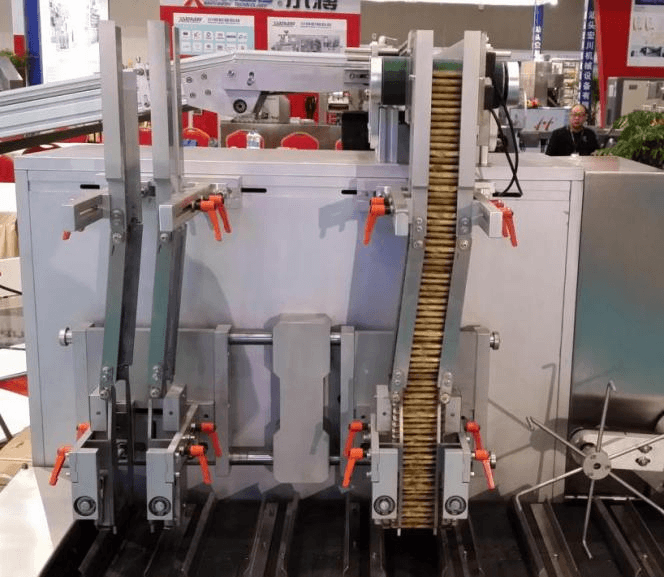
Review carton blank quality, opening and insertion behavior, guides and format parts with the proposed materials. Agree how operators replenish the magazine and how low supply, empty supply and a failed pick are handled. Check access for clearing a jam, maintenance and line clearance within the actual layout.
Product, carton and leaflet availability should lead to defined machine actions. For example, the design review should state whether an absent required component inhibits the insertion sequence, produces a reject or stops the station. The selected response needs to match the project requirements and be demonstrated during acceptance.
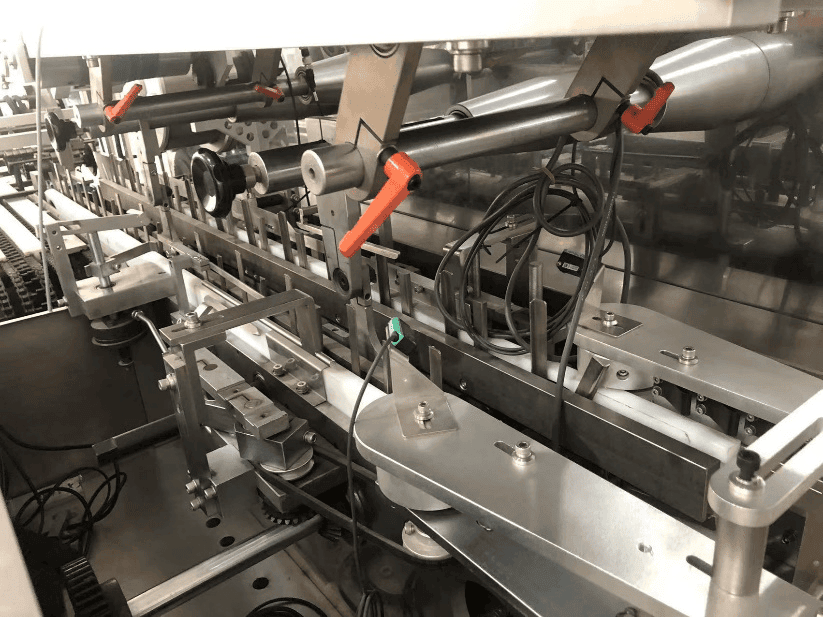
Where a leaflet is required, provide its revision, stock, printed dimensions, fold pattern and finished folded size. Include detection, the leaflet-to-carton association and recovery after an interruption in the scope. A feeder demonstration with an easier leaflet does not settle performance for the supplied production stock.
Define the final carton checks and the location of the accepted output and rejects. Confirm any batch coding or code verification separately from serialization and aggregation; they are different functions. Document what the line actually supplies rather than treating all identification functions as one option.
8. Add downstream equipment only where the agreed output requires it
Case packing, case sealing, identification, aggregation and palletizing can extend a packaging project, but they are not universal ingredients of a turnkey syringe blister line. Decide the final delivery boundary first, then identify the equipment and records required to reach it.
| Possible extension | Define before including it |
|---|---|
| Carton identification or serialization | Required code, data source, verification, record handling and rejection workflow. |
| Case packing | Carton grouping, case pattern, case specification, handling and acceptance checks. |
| Case labeling or aggregation | Identifier relationships, reconciliation, interface ownership and intended records. |
| Palletizing | Pallet pattern, load requirements, safety interfaces and agreed final handover. |
Where the user already owns downstream equipment, record its available operating modes, capacity basis and physical interface. Include its representative materials and control behavior in the integration plan. A supplied conveyor alone does not close the downstream handover.
Electronic-record requirements should follow the site’s actual record workflow. FDA’s Part 11 scope guidance connects applicability to relevant required records and their electronic use. Establish the intended records and system responsibilities before selecting or accepting software functions.
9. Measure accepted line output and define interruption behavior
Use a common unit when discussing throughput. A blister machine may report cycles or blisters; a feeder may report syringes; a cartoner may report cartons. The complete line needs an accepted-output basis that includes the agreed contents and packaging state.
For illustration, if an approved carton contains two blisters, a stated blister rate must be converted to the corresponding carton requirement before comparing capacities. That conversion does not prove sustained output. Replenishment, rejected packs, transfers, stops and the selected pack formats still affect the agreed acceptance result.
Define the trial duration and elapsed-time boundary, materials, formats, staffing, upstream supply and downstream availability. Record accepted complete packs, rejects and relevant interruptions. Agree whether planned replenishment and recovery are included in the period being evaluated, so the result can be interpreted against the quotation.
| Line state | Interface or recovery question |
|---|---|
| Normal production | Which station authorizes supply, and how is the required pack arrangement confirmed? |
| Upstream product unavailable | Which stations wait, which work in progress can continue, and how is restart coordinated? |
| Downstream blocked | Where may packs accumulate, and when must supply pause or the line stop? |
| Material replenishment | What stops, what remains controlled, and which restart checks are required? |
| Fault or protective stop | What is the approved state and recovery sequence, including affected work in progress? |
| Restart after interruption | How are pack position, reject status and required contents reconciled? |
The functional description should distinguish production coordination from safety-related functions. Define the required protective behavior through the project’s machinery safety assessment and verify it using suitable competent review. A standard production handshake is not evidence of the complete safety function.
Convert important line-state questions into demonstrations with agreed outcomes. This makes integration performance reviewable instead of leaving it inside a general claim of “smooth operation.”
10. Plan FAT, site integration and document handover together
Agree the acceptance strategy before equipment manufacture reaches the demonstration stage. Identify which checks can be performed at the supplier, which require the installed site conditions and which belong to the user’s qualification or packaging work. Each activity needs defined inputs, acceptance criteria, records and responsible review.
Factory acceptance testing can review the included configuration, representative formats, operating sequences, agreed output and challenge responses. Include the actual inter-machine interfaces where available. If an upstream or downstream machine is absent, identify the simulation and the remaining site check.
EU GMP Annex 15 allows justified use of some factory-stage checks where transport and installation do not affect the verified functionality. It also describes review of third-party documentation by appropriate site personnel. The project needs to decide what evidence is suitable and what additional work remains.
| Stage or deliverable | Scope to agree |
|---|---|
| Supplier-stage review and FAT | Approved configuration, materials and samples, tests, results, deviations and open-item closure. |
| Installation and site integration | Utility readiness, layout, access, neighboring-machine connection and installed interface checks. |
| SAT and qualification support | Applicable site tests, supplied documents, user activities and approval responsibilities. |
| Operator and maintenance handover | Training, procedures, settings, format parts, drawings, manuals and support channels. |
| Remaining packaging or product evidence | Required studies or testing, materials, methods and responsible approval outside the equipment demonstration. |
The document list should be specific: configuration and format records, drawings, operating and maintenance instructions, software or settings records where relevant, test evidence and supplied qualification-support documents. Define the revision and delivery milestone for each item.
Keep unresolved items visible with an owner and an agreed completion path. A signed equipment test does not automatically release every product or packaging process for routine production. The GMP and qualification guide helps structure the remaining responsibilities.
11. Worked example: finding a gap between two “complete line” offers
This is a hypothetical scope review, not a customer case. A user requests outer blister packing and cartoning for an agreed finished syringe assembly. The intended output is a carton containing the specified blister count and one required leaflet. Two proposals both describe a complete automatic line.
Offer A lists a blister machine and cartoner and shows a transfer conveyor in the layout. Offer B lists those machines plus a transfer device, but excludes connection to the existing upstream labeler. Neither headline establishes the full incoming-to-outgoing boundary.
| Item to normalize | Question for both proposals |
|---|---|
| Product feeding | Who receives the labeled syringe, maintains orientation and verifies handling of the final assembly? |
| Blister-to-cartoner transfer | Is the pictured device included, and who owns mechanical and control integration? |
| Leaflet and carton supply | Are the required production stocks, detection and interruption checks covered? |
| Rejected work in progress | How is the affected blister or carton tracked across the transfer and removed? |
| Installed interface | Who connects the existing labeler and verifies the complete site sequence? |
| Output demonstration | Does the proposed test measure accepted complete cartons under the same conditions? |
The review finds that a layout symbol must become a supplied item or an explicit exclusion, and that the upstream handover needs an owner in either case. The project asks for revised configuration lists, an interface description and an acceptance plan referring to the same product and material revisions.
The decision follows the reviewed scope, evidence, dependencies and support terms. It does not follow the number of machines in the headline. If an excluded interface is deliberately assigned to the user or another vendor, the project can still proceed with clear responsibility and a suitable verification plan.
12. Include format changes, access and support in the delivery boundary
Review the intended format family across the complete line. A syringe change may affect feeding, cavity tooling, product loading, inspection and transfer; a pack-count change may also affect cartoning and downstream grouping. Identify the parts and settings associated with each approved format rather than accepting a general changeover claim.
Agree the changeover boundary and restart evidence. A useful production measure can run from the last accepted pack of the outgoing format to the first accepted pack of the incoming format under stated conditions. Tool exchange time alone omits clearance, material changes, adjustments and restart checks.
The final layout should provide room for roll and magazine replenishment, format-part handling, cleaning, maintenance and safe intervention. Confirm utilities, cable routes and equipment access with the site team. A machine footprint is only one part of the installed space requirement.
State installation assistance, commissioning, operator and maintenance training, warranty terms, spare-parts identification, software support and service escalation in the offer. Where travel, labor or additional formats are separate, make those boundaries visible. The supplier ten-question guide can be used to review those commitments.
Keep the accepted drawings, format records, interface description and software configuration available for future changes. When a product, material, machine or software revision changes, assess its effect on the reviewed scope and evidence before extending earlier acceptance conclusions.
Frequently asked questions
What is a turnkey syringe blister packaging line?
Does turnkey always include cartoning, case packing and palletizing?
Is syringe filling part of a final blister packaging line?
Can one supplier coordinate machines from other vendors?
What information is needed to define the syringe feeding system?
How should line output be compared?
Why does blister-to-cartoner transfer need its own scope?
Does an inspection camera prove the complete reject sequence?
What determines the required buffer capacity?
Does FAT replace SAT and all qualification work?
Are serialization and Part 11 functions always required?
What should a complete line quotation identify?
References and scope
This guide uses a project engineering framework for defining integration and delivery responsibilities. The following primary sources support the specific points on process-validation scope and electronic-record applicability:
- ISO 11607-2: forming, sealing and assembly process-validation scope.
- European Commission: EU GMP Annex 15, qualification and validation.
- FDA: Part 11 scope and application guidance.
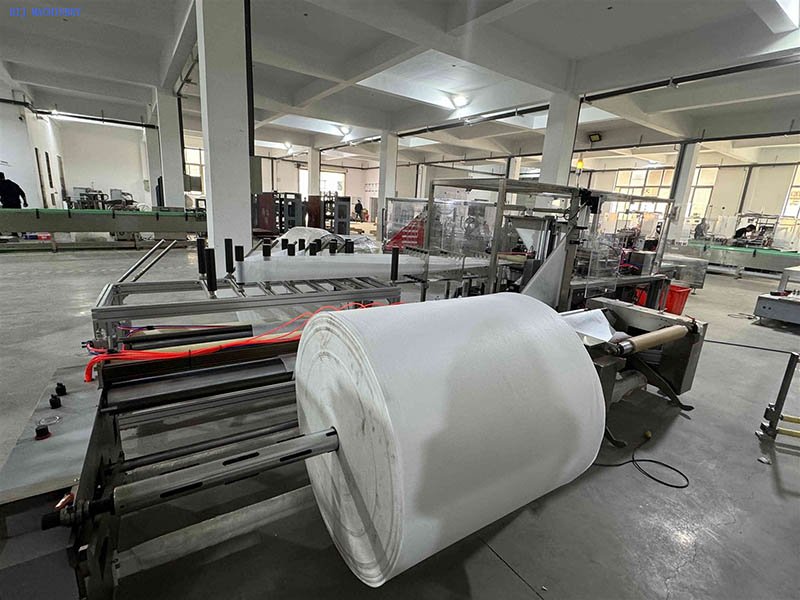
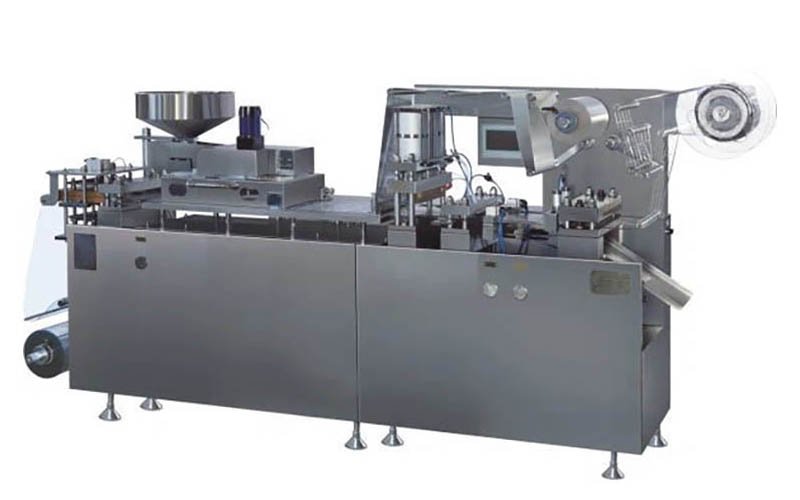
The photographs are existing equipment and application references. They illustrate the discussed operations; the delivered configuration and its performance require the agreed project evidence. The worked offer comparison is hypothetical.
Turn the line concept into a reviewable delivery scope
Define the incoming product and accepted final pack, map the included operations, assign each interface and agree the evidence for output, recovery and handover. That gives engineering, purchasing and the site team a common basis for reviewing the integrated line.
The syringe blister packing machine guide outlines the equipment inputs. For an integration discussion, prepare the finished assembly drawing, pack concept, incoming presentation, required output and neighboring-machine information.
Discuss your syringe blister line scope with HIJ →