Buyer’s guide · Equipment price, project budget and cost per accepted pack
Syringe Blister Packing Machine Cost: Budget & Quote Guide
Syringe blister packing machine cost depends on the finished syringe, pack format, required output, loading method, inspection and supplied line boundary. Build the budget from an itemized configuration, site costs and operating assumptions. A machine headline price alone cannot describe the complete investment.
This guide explains the cost drivers, compares quotation scope and works through a clearly labeled budget example. For equipment configuration and a project quotation, use the syringe blister packing machine price guide.
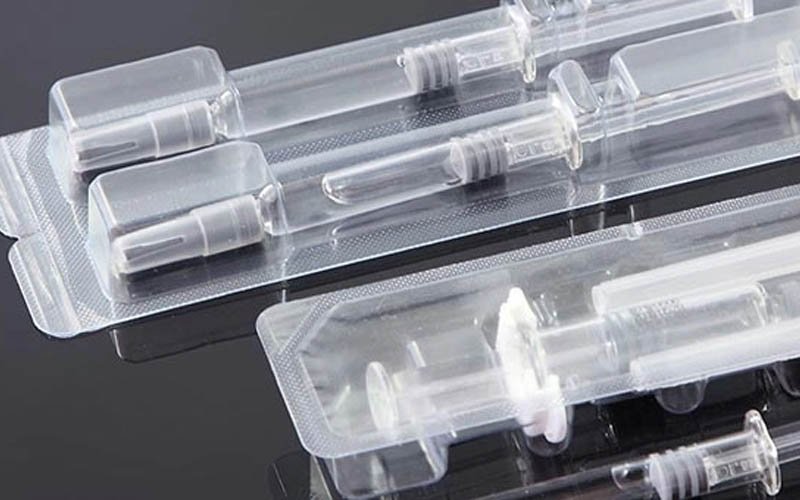
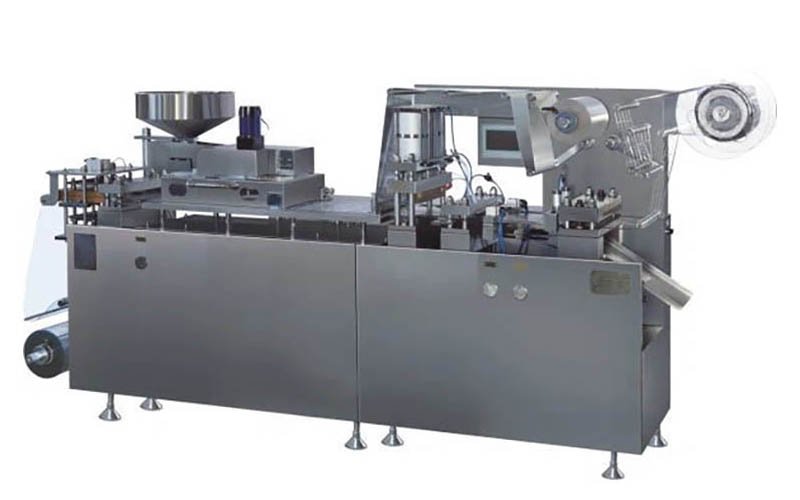
Syringe blister application reference. Define the complete pack and its intended role before selecting the line.
1. What does the quoted machine price actually include?
Begin with the input and output of the proposed equipment. One offer may receive manually presented syringes and discharge sealed blisters. Another may include automatic feeding, inspection, transfer and cartoning. Their totals can only be compared after the scope is made equivalent.
Define the finished assembly and incoming presentation. Empty assembled disposable syringes, filled and closed syringes, and devices with accessories can create different handling and format requirements. Syringe filling and stoppering are separate activities unless the proposal explicitly includes them.
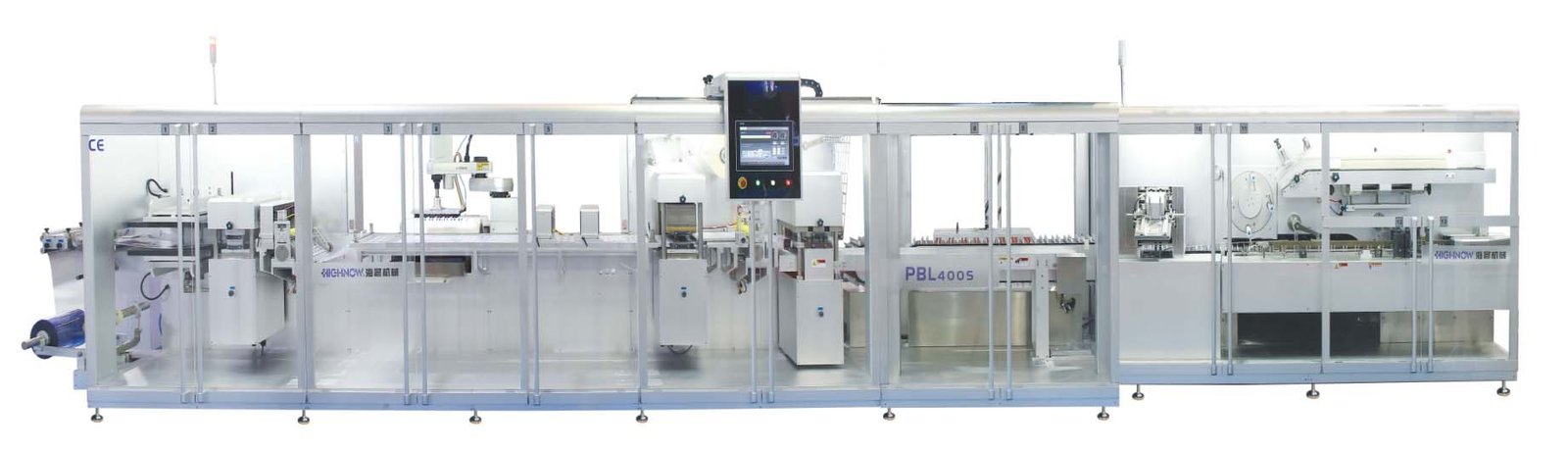
Also define the outgoing pack: units per blister, accessories, opening method and any carton or leaflet requirement. Identify the package role and the approved material system, or state which decisions still require development. These inputs shape tooling, process trials, handling and the acceptance plan.
A useful budget separates three views: the supplier’s equipment scope, the additional work required to install and accept the project, and the recurring costs of running it. An item may already be included in the base price, be separately priced, or be supplied by the user. Record that status before adding amounts, so the same work is not counted twice.
| Budget view | Items to identify | Evidence to obtain |
|---|---|---|
| Equipment quotation | Base machine, loading, inspection, format parts, transfer, controls and selected options. | Itemized configuration with inclusions and exclusions. |
| Delivery and startup | Transport, site preparation, installation, trials, training and agreed document support. | Written scope, site estimate and responsible owner. |
| Recurring operation | Materials, labor, utilities, routine maintenance, consumables and support. | Production assumptions and local or supplier cost inputs. |
The turnkey syringe blister line guide explains how to define the integrated boundary. There is no universal rule that the full project must cost a fixed multiple of the machine price.
2. Which equipment decisions change the cost?
Ask the supplier to explain each proposed configuration change against a product or production requirement. This helps purchasing distinguish necessary scope from a standard option list. It also makes a revised quotation easier to evaluate when the brief changes.
Product loading and orientation
Loading depends on how the syringe arrives, the permitted contact points and how it must enter the cavity. Specify the complete assembly, cap, flange, plunger position and relevant safety-device variants. Manual presentation, assisted loading and an automatic loading system imply different equipment and operating boundaries.
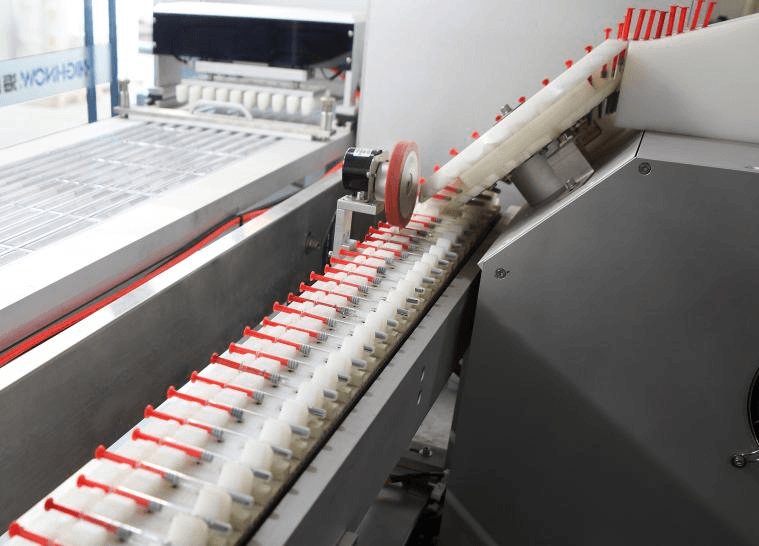
Compare the loading concept together with staffing and accepted output. An automatic loader should have a defined product trial and recovery sequence; manual loading needs a realistic operating arrangement and staffing assumption. A generic speed claim does not establish either result for your syringe.
Pack layout and accepted output
Record the units per pack, pack dimensions, agreed format family and required accepted output. Cycles per minute, syringes per minute and cartons per minute are different measures. Convert proposals to the same finished-pack unit and review the trial conditions behind the rate.
The production mix matters as well. A machine sized around one long run may have a different operating case from a line that changes formats frequently. Ask how replenishment, short stops and changeovers are treated when output is demonstrated.
Inspection, coding and control functions
Specify the attributes to inspect, the necessary coding, how an inspection result follows the affected pack and how rejection is confirmed. Price the relevant detection, tracking, reject device and challenge work as a connected function. A camera alone is not a complete description of that scope.
For controls and records, identify the site’s required functions and supplied software configuration. Confirm any interface, report, backup, access-control or support options in the offer. The inspection and rejection guide helps define the required outcome before selecting equipment options.
3. Budget for the approved formats and their change parts
A format is more than a nominal syringe volume. Two assemblies described by the same fill volume can have different overall lengths, flanges, caps or safety devices. The format matrix should refer to the finished assembly and approved pack drawing.

Ask which forming, sealing and cutting tools are included, and whether the loader, guides, transfer or downstream cartoner require their own change parts. Identify shared parts and dedicated parts separately. Add the inspection setup and recipe work associated with each format where applicable.
Agree the material system used for design and trials. A change in forming web, lidding, coating or opening requirements may affect the process work even if the outer pack dimensions look similar. The syringe blister material comparison describes the information to provide.
Request the price and delivery boundary for the initial formats and future format additions. Record drawing approval, samples, tooling manufacture, trials, adjustments and documentation separately where they are not bundled. This gives the project a way to manage an additional format without assuming the original tooling allowance covers it.
For changeover claims, agree the actual format pair, staffing and time boundary. Time from the last accepted outgoing pack to the first accepted incoming pack includes more than exchanging a tool. Line clearance, materials, adjustments and restart checks affect the operating budget.
4. Compare quotations on the same configuration and acceptance basis
Build one comparison list from the reviewed requirements, then map every offer to it. Use clear statuses: included, separately priced, user supplied, excluded or unresolved. A blank entry should remain an open question rather than quietly becoming a zero-cost assumption.
| Scope item | What to compare in each offer |
|---|---|
| Base machine and pack route | Included operations, approved package assumptions and actual delivered configuration. |
| Syringe loading | Presentation, handling method, included parts, staffing assumptions and sample trials. |
| Format tooling | Named formats, forming/sealing/cutting tools and other required change parts. |
| Inspection and rejects | Detection coverage, tracking, confirmed rejection and agreed challenge checks. |
| Transfer and neighboring equipment | Mechanical devices, control integration, owners and verification scope. |
| Acceptance and documentation | Tests, reports, drawings, manuals, qualification support and remaining user work. |
| Installation and service | Site work, commissioning, training, travel terms, warranty and support boundaries. |

Check the quantities and revisions behind the comparison. “Two formats included” only helps if both suppliers refer to the same format matrix. “Automatic inspection” only helps if the coverage and outcome match. A conveyor pictured beside a machine needs an explicit supply status.
Record the quotation date, validity, currency, payment milestones, delivery basis and assumptions that could change the price. These commercial terms belong next to the technical scope because two apparently similar totals may allocate transport, site work or timing risks differently.
Once scope is aligned, compare the complete costs and the evidence supporting performance. The supplier ten-question guide provides a practical framework for reviewing the answers. It is reasonable to keep an unresolved item outside the committed total while showing a named owner and an allowance or action to close it.
5. Include delivery, site readiness and acceptance work
Start with the actual delivery location and installation plan. Confirm the included packing, transport, insurance, unloading, positioning and commissioning arrangements. Determine applicable import and local charges with the responsible logistics and finance teams rather than using a generic regional percentage.
Site preparation can include utilities, access, supporting equipment and connections to neighboring machines. Use the reviewed layout to check roll changes, replenishment, cleaning and maintenance access. A machine footprint alone does not define the installed space or the work needed before startup.
Agree the materials, syringes, staff time and supplier attendance needed for factory and site trials. Identify who provides the samples and materials, how much trial work is included and how additional work is authorized. These are project inputs even when the supplier includes its own test labor in the offer.
Qualification support should name the deliverables and responsibilities. EU GMP Annex 15 describes site review of third-party documentation and justified reuse of some factory-stage checks where transport and installation do not affect the verified functionality. Supplier FAT, installed checks and remaining user qualification work need an agreed plan.
Budget from that plan rather than treating “validation included” as a complete cost description. List supplied documents, user review, site activities and any further product or packaging evidence. Confirm training, manuals, spare-parts identification and open-item closure before the final handover milestone.
6. Estimate operating costs using accepted packs
Use the required production mix and a realistic operating schedule. The denominator should be accepted complete packs, with the agreed contents and quality criteria. Gross machine cycles can overstate useful output when startup, rejects, replenishment and interruptions are outside the count.

Packaging materials and product loss
Account for the forming web, lidding, printing or coding consumables and any included downstream packaging. Use the actual pack layout and material specification. Review the relevant web area, trim, startup loss and rejected packs so the material cost relates to accepted output.
Keep the value of a rejected filled syringe visible if the project’s cost comparison includes product loss. A packaging-only model may deliberately exclude that value, but the boundary should be stated. Confirm that the same loss is not counted again in another production-cost model.
Labor, utilities and maintenance
Specify the people and activities in the estimate: product and material replenishment, operation, inspection tasks, changeovers, cleaning and maintenance. Use local staffing assumptions and an agreed production schedule. Equipment automation does not by itself establish a particular labor saving.
Estimate electricity, compressed air, cooling and other utilities from the supplied requirements and expected operating conditions. Identify routine consumables, spare parts and planned maintenance. State whether service subscriptions, software support or supplier visits are included in annual costs.
Output uncertainty and interruptions
Test the budget against a lower accepted volume, a different format mix or longer changeover time. Separate costs that vary with production from costs that remain over the period. Avoid applying both a lower output assumption and an additional downtime penalty for the same lost production.
Delivery and recovery behavior are especially relevant for an integrated line. The syringe feeding guide and the line integration guide help connect those assumptions to an equipment trial.
7. Worked example: build an itemized project budget
The following fictional project is used only to demonstrate budgeting arithmetic. These are not HIJ prices, supplier quotations or market benchmarks. Replace every amount with the reviewed quotation or site estimate.
Assume a project receives finished syringes and discharges accepted sealed blisters through a defined transfer. The example includes its selected loading, tooling and inspection scope. Filling, cartoning, serialization and case packing are outside this example’s boundary.
| Illustrative project item | Assumed amount (USD) |
|---|---|
| Base blister equipment | $80,000 |
| Product loading and orientation | $18,000 |
| Initial format tooling and parts | $9,000 |
| Inspection and confirmed rejection | $9,000 |
| Defined transfer interface | $7,000 |
| Agreed trials and document support | $6,000 |
| Delivery, site installation and training | $11,000 |
| Startup spares and consumables | $5,000 |
| Illustrative project subtotal | $145,000 |
The subtotal is the sum of these eight defined lines. It is not obtained by applying an assumed multiplier to the machine price. In an actual quotation, a supplier may bundle several rows; allocate the included work once and retain the same total.
This example has no separate allowance for taxes, financing, building changes or product-specific studies outside the listed support. An actual project must identify those items, state their treatment and obtain the necessary estimates. Pending items should be shown beside the subtotal with an owner rather than hidden in a claim that the budget is complete.
Agree any contingency from the project’s identified uncertainty, and keep it separate from quoted scope. An unresolved feeder trial, an additional format or a building change are different uncertainties and may need different actions. A blanket percentage cannot resolve an undefined deliverable.
8. Compare cost per accepted pack over the same period
A simple undiscounted comparison can combine the initial project cost with operating costs over an agreed evaluation period, then divide by accepted output over that same period. Define what is included before using the result to compare alternatives.
Period cost = initial project cost + operating costs over the period
Cost per accepted pack = period cost ÷ accepted complete packs over the period
Continue the fictional example with a three-year evaluation period. Assume 500,000 accepted blister packs per year, $36,000 of annual fixed operating costs and $0.12 of variable operating cost per accepted pack. The variable allowance is assumed to include relevant material and process loss for this simplified comparison.
| Illustrative calculation | Result |
|---|---|
| Annual variable operating cost | 500,000 × $0.12 = $60,000 |
| Annual total operating cost | $36,000 + $60,000 = $96,000 |
| Three-year period cost | $145,000 + (3 × $96,000) = $433,000 |
| Three-year accepted output | 3 × 500,000 = 1,500,000 packs |
| Illustrative cost per accepted pack | $433,000 ÷ 1,500,000 ≈ $0.2887 per pack |
Now change only the accepted annual volume to 250,000 packs while retaining the assumed fixed annual cost and variable cost per accepted pack. Annual operating cost becomes $66,000. The three-year total becomes $343,000, divided by 750,000 accepted packs: approximately $0.4573 per pack.
The lower-volume scenario spends less overall but carries more cost per accepted pack. That is why actual demand and utilization belong in the equipment comparison. It does not show that a larger or faster machine is automatically the better purchase.
Both scenarios exclude the syringe or drug value, financing, taxes, discounting, residual value and unlisted project costs. They demonstrate arithmetic rather than payback or a complete accounting model. A real comparison should use the same approved boundary, period and production assumptions for every alternative.
9. Where can a buyer reduce avoidable cost?
The useful cost reductions come from resolving requirements and avoiding unnecessary work while meeting the approved product and package needs. Review opportunities against evidence rather than removing a function solely because it has a separate line price.
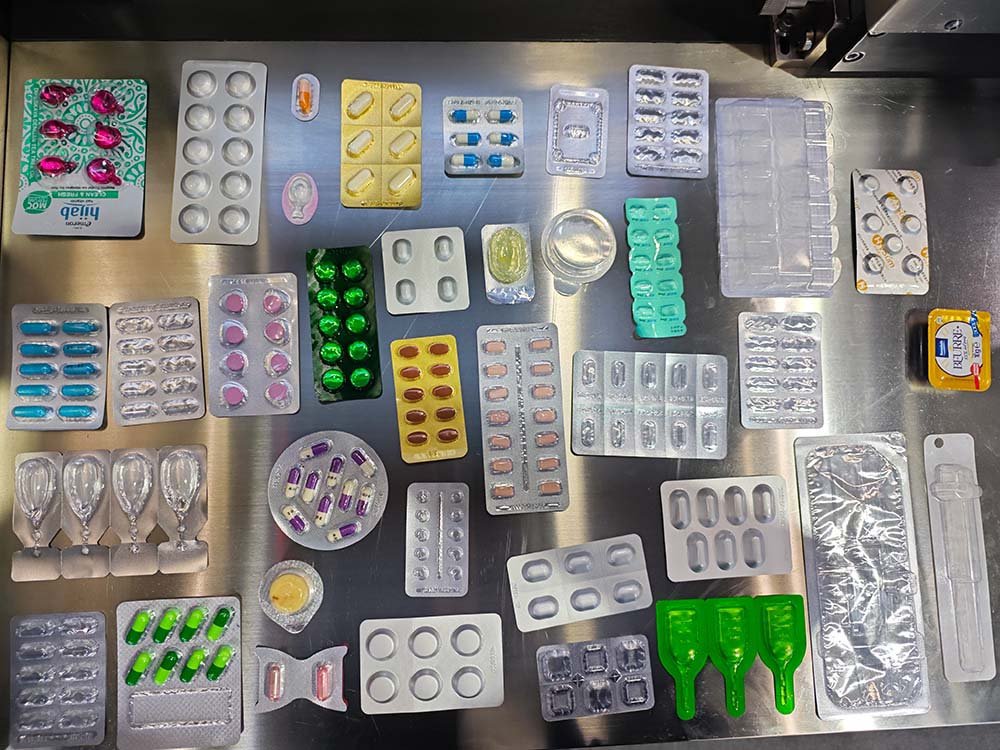
- Freeze the initial format family. Confirm the finished assemblies and pack drawings before tooling approval. Separate future additions from the formats required at startup.
- Test the proposed loading early. Use representative products and presentation conditions to identify handling changes before the configuration is committed.
- Choose required automation. Compare manual, assisted and automatic work using the same operating schedule, staffing and accepted-output basis.
- Coordinate material and tooling decisions. Review the actual web, lid, seal interface and cavity together to reduce repeat trials caused by late substitutions.
- Assign interfaces once. Make transfer and neighboring-machine responsibilities explicit so two offers do not both omit or both charge for the same work.
- Prepare the site to the agreed plan. Confirm access, utilities, samples, staffing and review responsibilities before commissioning.
Ask for the effect of each proposed scope change on output, quality, staffing, recovery and verification. A lower initial price may shift work to the user or another vendor; a higher initial price may include work that a competing offer lists separately. Keep both effects visible.
Where production will expand, compare a staged configuration with the full initial scope. Record the cost and disruption of the later extension, including interfaces, access, trials and document changes. Expansion capacity is useful only when the intended change has a defined engineering path.
10. Send the information needed for a useful cost proposal
A clear request for quotation lets the supplier price the actual project and identify what needs a trial. Include the following information in your email or project brief. Mark an unknown item as open rather than choosing a value simply to complete the list.
| Input to send | What to include |
|---|---|
| Finished syringe and samples | Assembly drawing, variants, relevant handling limits and representative samples available. |
| Incoming presentation | How syringes are supplied and any upstream equipment to connect. |
| Finished pack and materials | Units and accessories per pack, drawing, package role, web/lid specifications or open material decisions. |
| Production requirement | Accepted packs per hour or shift, annual demand, format mix and operating schedule. |
| Automation and line boundary | Requested loading, inspection, coding, transfer and any downstream operations. |
| Site and delivery | Installation country, layout, utilities, existing interfaces and target project milestones. |
| Acceptance and support | Required trials, documents, training, spare parts and site-assistance scope. |
Request an itemized reply that identifies included equipment, optional items, exclusions, trial dependencies, delivery basis and quotation validity. Ask the supplier to state the conditions supporting any accepted-output claim and the work required to close open points.
The URS writing guide helps express the requirements. Keep that brief and the cost comparison tied to the same revision as the project develops, so purchasing does not compare an old scope with a newly revised configuration.
Frequently asked questions
How much does a syringe blister packing machine cost?
Is the complete project always twice the machine price?
Does the machine price include syringe loading?
Are syringe format tools included in the quotation?
Why can two similar-looking machines have different prices?
How should I budget FAT, SAT and qualification support?
What should be counted in operating cost?
Are the dollar amounts in this article actual HIJ prices?
How do I calculate cost per accepted pack?
Does a faster machine automatically reduce unit cost?
Does a syringe blister machine quotation include cartoning?
What should I send to request an itemized quotation?
References and calculation boundaries
The budget tables are an engineering purchasing framework. All worked dollar amounts and production quantities are stated assumptions for a fictional project, not published market pricing. The period-cost model is an undiscounted illustration with the exclusions described beside it.
European Commission: EU GMP Annex 15 supports the specific discussion of third-party document review and justified use of factory-stage evidence. It does not provide the prices or cost percentages in an equipment budget.
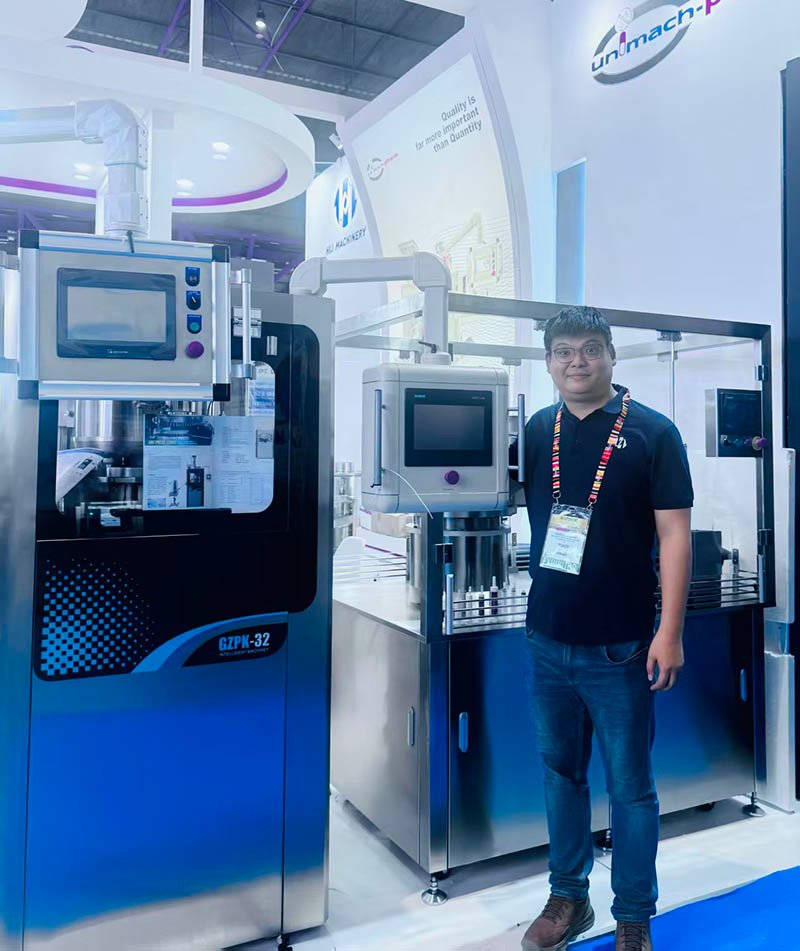
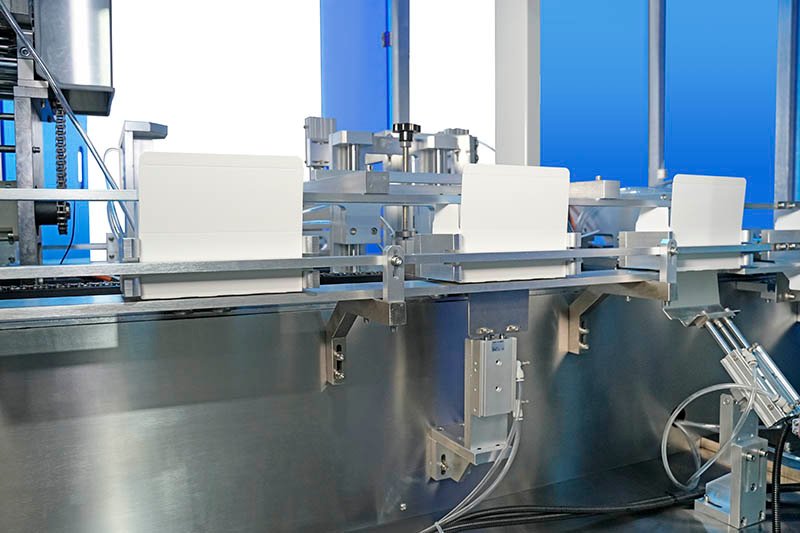
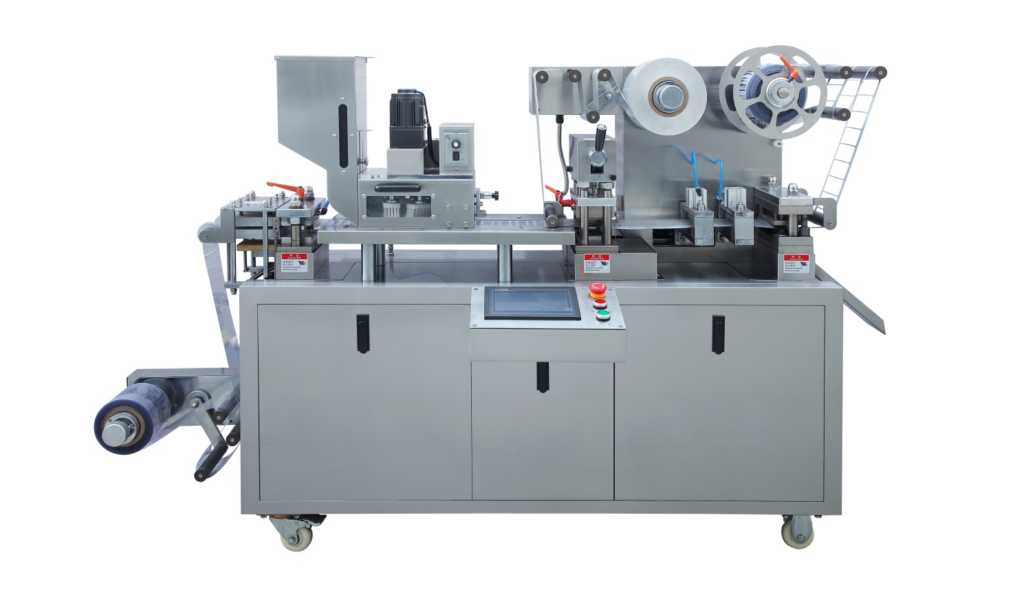
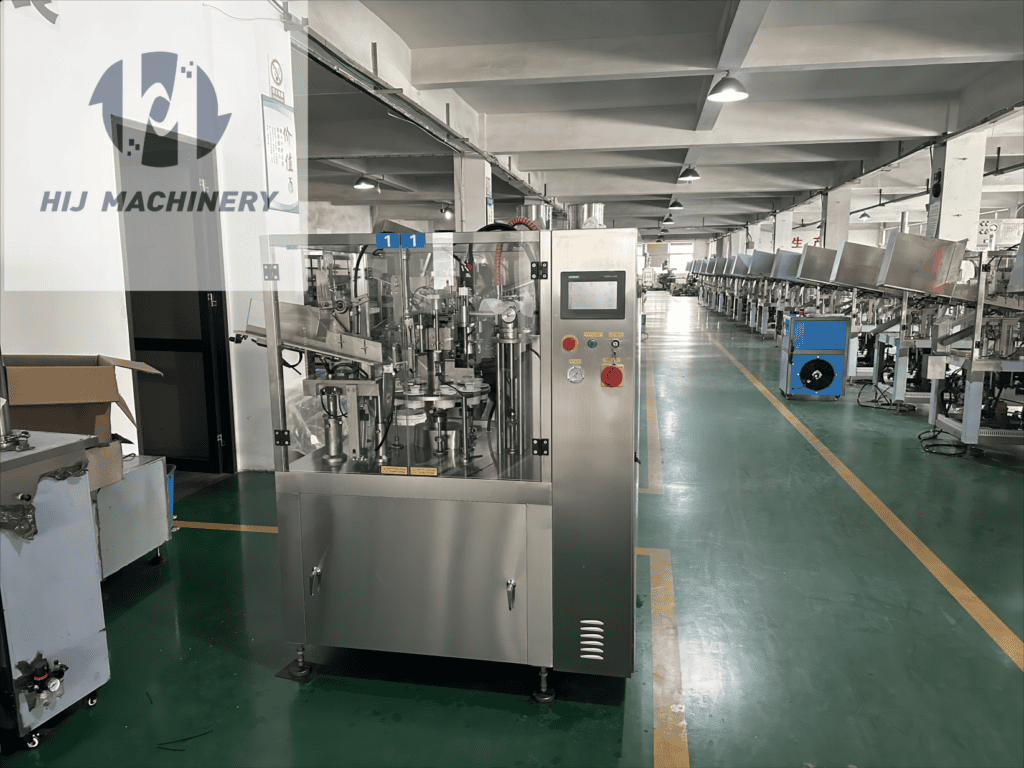
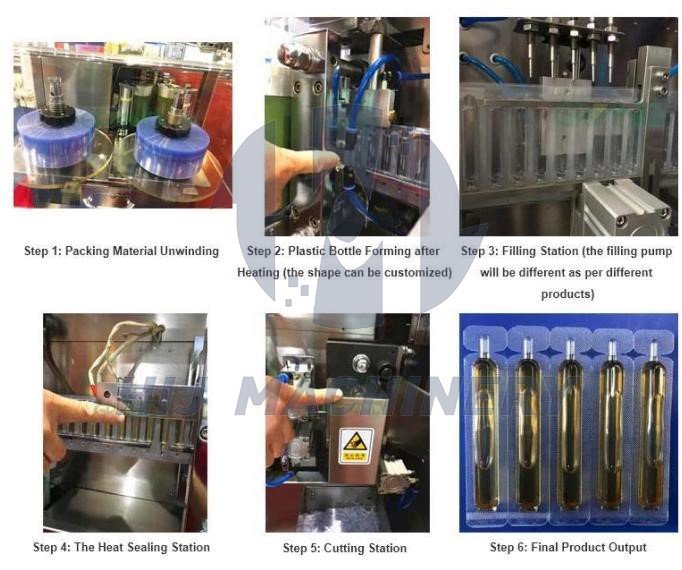
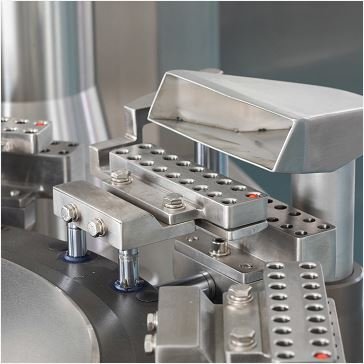
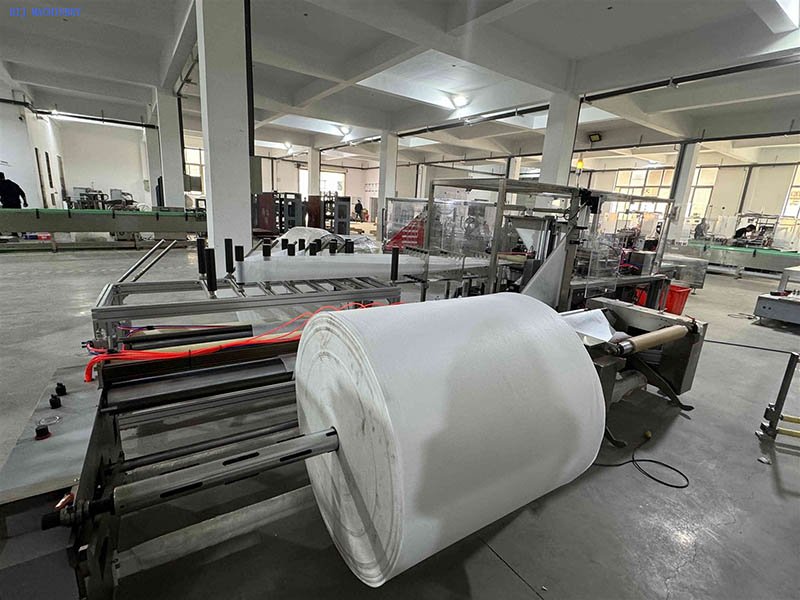
The photographs show equipment and packaging references. The delivered configuration, material suitability and performance require the agreed project review and evidence.
Request a quotation against the same product and pack brief
Define the required output, identify the included equipment and formats, and show the delivery, site and operating assumptions separately. That makes the price useful for deciding what the project will receive and how the line will be evaluated.
Prepare the syringe drawing or samples, pack concept, required output and installation country. HIJ can review the requested equipment scope and identify the configuration and trial inputs needed for a quotation.
Request an itemized syringe blister machine quotation →