Buyer’s guide · Product fit, useful output and a comparable quotation
How to Choose a Syringe Blister Packaging Machine
To choose a syringe blister packaging machine, define the finished syringe and package first, then compare loading, materials, accepted output, format changes and line interfaces. Shortlist configurations that can demonstrate those requirements with representative inputs. Compare price after the supplied scope and acceptance basis are clear.
This guide turns those decisions into a practical selection sequence, including a worked output example and a quotation comparison. For equipment configuration, start with the syringe blister packing machine overview.
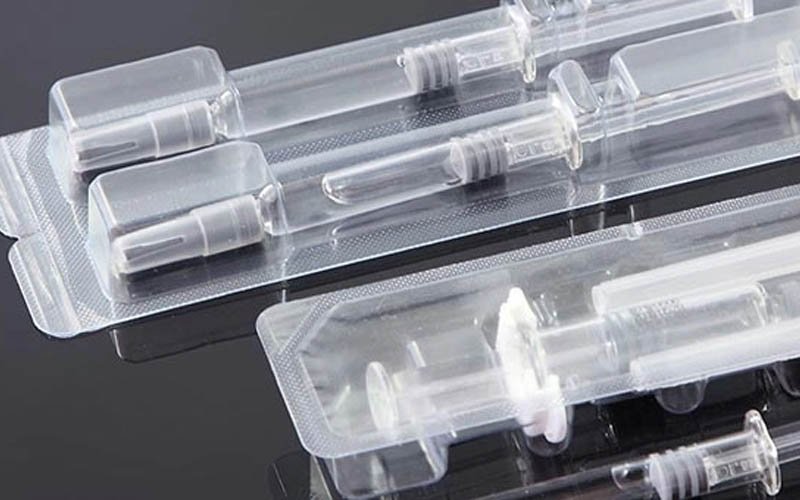
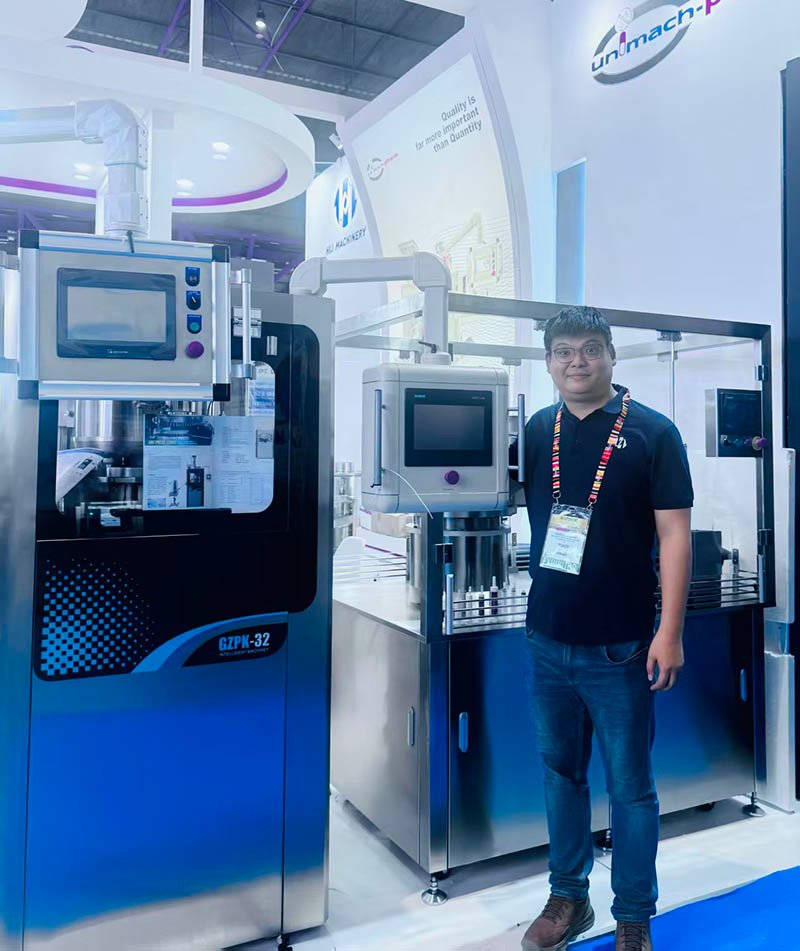
Syringe blister application reference. Define the complete pack and its intended role before selecting the line.
1. Describe the complete syringe before selecting the machine
Begin with the assembly that will actually enter the packaging line. State whether it is an assembled empty syringe, a filled and closed syringe, or a presentation with accessories. Include the cap, needle shield, flange, plunger position and any safety-device components in the drawing or representative sample.
Nominal syringe volume is not a complete format specification. Assemblies with the same nominal volume can have different external geometry and handling needs. Ask the product owner for the controlled drawing and relevant tolerances rather than using a generic diameter range from a buying guide.
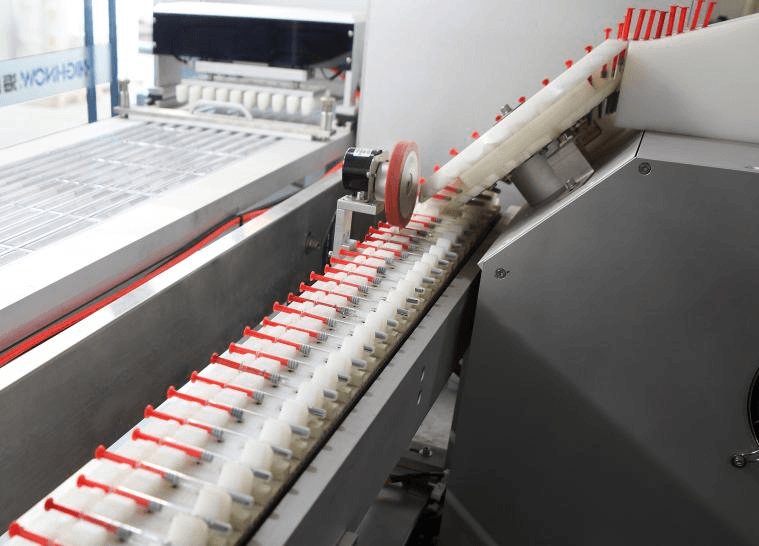
Record how the product arrives: bulk, trays, nests, an upstream conveyor or another arrangement. Identify permitted contact points, orientation and handling restrictions. Do not assume that a cap or needle shield may be removed to suit a feeder; the approved product and process requirements govern what handling is allowed.
| Selection input | What to provide | Why it changes the review |
|---|---|---|
| Finished assembly | Drawing revision, overall geometry, accessories and representative samples. | Defines the cavity, guides and handling clearances to assess. |
| Product state | Empty or filled/closed, relevant handling limits and process boundary. | Clarifies which operations belong to the packaging project. |
| Incoming presentation | Container or conveyor arrangement, orientation and replenishment method. | Defines the loading task and any upstream interface. |
| Format family | Every initial assembly and the future variants to evaluate. | Shows which parts and trials belong in the quoted scope. |
Separate confirmed inputs from open decisions. An approximate drawing can support an initial discussion if it is clearly identified as provisional. Final tooling and acceptance criteria need the reviewed product definition. Keep the owner of each unresolved input visible so the supplier does not quietly turn a guess into a design assumption.
2. Define the finished blister and its intended role
Specify what the accepted pack contains: syringes per blister, accessory positions, cavity arrangement, overall pack dimensions, opening method and downstream carton requirements. Include how the syringe should be supported and presented when the user opens the pack.
Establish the packaging function with the product and packaging teams. A protective outer blister around an already closed syringe is not automatically the drug-contact container or a sterile barrier. The function determines which package performance questions need evidence.

ISO 11607-1 addresses packaging intended to maintain the sterility of terminally sterilized medical devices. Its published scope also identifies limitations for aseptically manufactured devices and possible additional requirements for drug/device combinations. The product name alone does not decide its applicability.
Ask for a proposed pack drawing that can be reviewed alongside the product drawing. Identify cavity fit, support, clearance, sealing area, opening features and the relationship between adjacent packs. A machine photograph cannot confirm that these details suit the specified assembly.
It is also reasonable to revisit the packaging route before committing to equipment. If the requirement is still being developed, compare the handling, presentation and package-performance needs of a blister with the proposed alternative. The syringe blister versus tray packaging guide explains how to frame that comparison.
3. Assess the material and forming route as one package system
Provide the forming-web and lidding specifications, or identify the material decisions still open. A polymer name alone leaves out relevant details such as grade, structure, thickness, coating and the intended sealing combination. Ask what inputs the equipment supplier needs to evaluate the proposed route.

Thermoforming and cold forming are different process routes, and the machine proposal must explicitly identify which is supplied. Do not assume that a machine described as “blister” can run every route or that a universal material ranking selects the right package. Evaluate the actual geometry, material system, protection requirement and production evidence together.
| Question to resolve | Evidence to request |
|---|---|
| Is the proposed forming route included? | Named machine configuration, applicable material system and forming concept. |
| Does the cavity suit the complete assembly? | Reviewed pack drawing and representative formed samples. |
| Can the chosen web and lid be sealed as required? | Defined material pairing and the development or trial work supporting the process. |
| Does the pack meet its protection and opening requirements? | The relevant package studies, methods and responsibility boundaries. |
| What remains provisional? | Open material decisions, sample needs and the effect on tooling or delivery scope. |
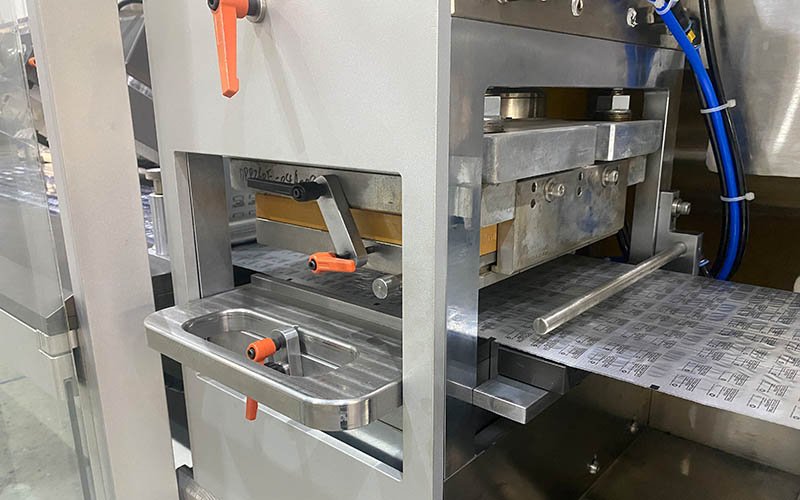
Keep machine trials and package studies connected without merging their conclusions. A machine may produce a visually acceptable pack during a short demonstration while further work remains on integrity, handling, opening or distribution. Agree which question each trial is intended to answer.
The syringe blister material comparison provides a more detailed brief. Use the reviewed specification and trial outcome to select the route; do not transfer settings or performance claims from an unrelated package simply because the material names look similar.
4. Choose the loading concept from presentation and product handling
Compare how each proposal moves the actual assembly from its incoming presentation into the cavity. The important boundary includes replenishment, orientation, transfer, seating and recovery. An automatic loader description should explain that sequence and the work remaining for operators.
| Loading concept to discuss | Useful selection question | Evidence boundary |
|---|---|---|
| Manual presentation or loading | Can the proposed staffing and work arrangement support the required accepted output? | Demonstrate the operating arrangement with the specified pack and realistic replenishment. |
| Tray- or nest-assisted handling | How is product located, presented and transferred from the supplied carrier? | Identify carrier dimensions, change parts, operator tasks and recovery behavior. |
| Automatic loading | How are the nominated assemblies oriented, handled and seated? | Trial the actual product family and identify detection, reject and interruption coverage. |
These are discussion categories, not a ranking from worst to best. A plant with a frequently changing product mix may evaluate the trade-offs differently from one producing long runs of a single established format. Use the actual schedule, staffing and handling restrictions in the comparison.
Separate web transport from product loading. A servo-driven web system does not describe the syringe feeder, its contact points or its method of detecting a misloaded assembly. Ask for the loading architecture rather than treating the word “servo” as a complete performance specification.
For delicate or restricted-contact assemblies, agree the trial observations with the product owner. Examine the condition of the syringe after the relevant handling steps and identify which attributes need another method or specialist review. The servo versus pneumatic syringe feeding guide helps separate motion choices from the complete loading task.
5. Compare accepted output using the same counting boundary
Ask whether a quoted rate means machine cycles, syringe pieces, blister cards or completed cartons. State the units per pack and the number of packs made per cycle when a conversion is used. Otherwise two numerically similar quotations may describe different amounts of finished product.
Next define the observation period and the point where output is counted. Include the staffing, materials, replenishment and interruption conditions relevant to the acceptance plan. A short uninterrupted demonstration does not describe an entire shift with format changes and routine operating tasks.
Suppose a proposed layout makes four single-syringe blisters per cycle at 30 cycles per minute. Its nominal conversion is 30 × 4 = 120 blisters per minute. That calculation does not establish accepted production output.
In a separate fictional ten-minute observation, assume 1,200 completed blisters reach the counting boundary and 60 are rejected. The accepted count is 1,140 blisters. Dividing by the same ten elapsed minutes gives 114 accepted blisters per minute. There are no held or unclassified packs in this example.
| Illustrative measure | Calculation or count |
|---|---|
| Nominal layout conversion | 30 cycles/min × 4 blisters/cycle = 120 blisters/min. |
| Observed completed packs | 1,200 blisters over 10 elapsed minutes. |
| Rejected packs in that observation | 60 blisters. |
| Accepted output | (1,200 − 60) ÷ 10 = 114 accepted blisters/min. |
The arithmetic explains the measurement boundary; it does not specify a required trial duration or an acceptable reject rate. Actual criteria, run duration and sampling need an agreed justification. Record held or unresolved product separately instead of quietly counting it as accepted.
For shift planning, account for the intended product mix, changeovers, cleaning and operating interruptions. Avoid subtracting the same lost time twice. Compare configurations at the required useful output and schedule, then examine the consequences of a different product mix or lower demand.
6. Review the complete format set and changeover work
List every initial syringe and package combination. For each format, ask which forming, sealing and cutting tools change, and whether the loader, guides, transfer, inspection or cartoner require their own format parts. Identify shared parts separately from dedicated ones.
Check the claimed platform range against the whole pack drawing. A stated maximum forming dimension does not independently establish acceptable loading, sealing, cutting and discharge for every layout within that dimension. Each operation must suit the proposed configuration.
Define changeover by a useful time boundary. For example, the project may evaluate the work from the last accepted pack of one format to the first accepted pack of the next, under agreed staffing and procedures. This differs from measuring only the time to remove a forming tool.
Include line clearance, material changes, part identification, recipe selection and restart checks in the scope discussion where relevant. Ask how tools are identified and stored, what adjustments remain manual, and which tasks require maintenance support.
Future formats should have their own assessment and quotation boundary. Identify the samples, drawing work, parts, trials and documentation involved. A spare recipe slot or a general “multi-format” claim does not establish that a future assembly will run on the purchased loading and tooling system.
7. Define the line boundary and the owner of each interface
State whether the project ends at a sealed blister or includes transfer, inspection, cartoning or another downstream operation. Identify upstream activities separately. Packaging an already filled syringe does not mean the proposal includes filling and closing it.

For a connected line, review the mechanical handoff and operating sequence together. Define pack orientation, transfer method, accumulation or buffer behavior, accepted and rejected routes, and which machine requests a stop. Assign the owner who will demonstrate the complete sequence.
A PLC brand or a shared communication protocol is only part of the interface description. The proposal also needs the agreed signals, states, fault responses and responsibilities. Ask how the line behaves when one station is ready and its neighbor is stopped or unavailable.
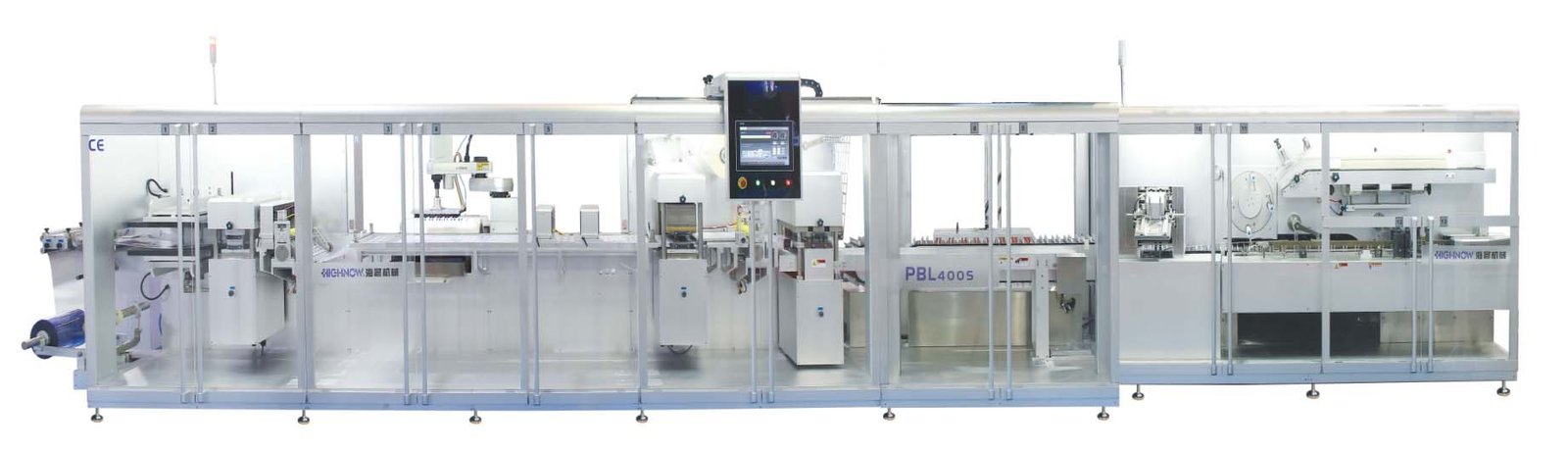
Agree how affected product is tracked through an interruption and restart. A detected defect must remain associated with the correct pack until the specified outcome is confirmed. The inspection and rejection guide explains the questions behind that equipment scope.
Use the reviewed layout to assess access for replenishment, cleaning, service and format changes. Confirm the actual site utilities and connection responsibilities. The turnkey syringe blister packaging line guide expands the interface and acceptance checklist for integrated projects.
If part of the final line is unavailable during factory testing, identify any simulation and the functions it can demonstrate. Keep the remaining installed-line checks visible. A successful simulated handoff should not be presented as evidence that every final interface has already been tested.
8. Agree the acceptance evidence and document responsibilities
Turn the shortlisted requirements into an agreed verification plan before they become contract assumptions. Name the products, materials, formats, criteria, methods and records needed to evaluate the delivered configuration. Identify who supplies samples and who reviews the results.
EU GMP Annex 15 describes site review of third-party qualification documents and justified reuse of some factory evidence where transport and installation do not affect the verified function. This supports an explicit division of factory and site work, rather than assuming that a vendor document package completes every user obligation.
Ask whether the quoted support consists of templates, executed factory records, installation assistance, site execution or another defined service. Request the proposed deliverable list and review schedule. Keep contractual machine acceptance distinct from the site’s authorization for routine production.
Electronic-record requirements should come from the site’s intended use and applicable quality assessment. Discuss which records, access controls, reports, backup functions and interfaces are required for the supplied configuration. A broad software compliance label cannot replace that description.
The syringe blister GMP and validation guide provides an evidence matrix and handover checklist. Use the URS writing guide to connect the selected functions to requirement IDs, owners and acceptance evidence.
9. Compare shortlisted offers on the same scope
Begin with requirements that are essential to the project. A proposal with an unresolved mandatory product, package or site requirement should remain conditional; a low total or a high score elsewhere does not close that gap. Record the evidence needed before treating it as an acceptable option.
| Comparison item | What a useful supplier response identifies |
|---|---|
| Product and pack fit | The drawing revisions, supported initial formats and outstanding sample trials. |
| Accepted output | The finished unit, counting point, observation conditions and proposed acceptance method. |
| Loading and staffing | Included loading functions, replenishment tasks, staffing assumptions and restrictions. |
| Tools and changeover | Named change parts, format scope and the agreed changeover boundary. |
| Line integration | Supplied stations, transfer devices, control interfaces and complete-line test owner. |
| Documents and service | Deliverables, review responsibilities, installation, training, spares and support terms. |
| Commercial scope | Included, optional, excluded and user-supplied items with price and delivery assumptions. |
Use a simple status for each response: supported by reviewed evidence, awaiting a defined trial, proposed but unverified, or outside the offered scope. Keep the supplier’s explanation and the required next action beside the status. This is more informative than an unexplained green tick.
Example: when the same headline speed describes different offers
Imagine two fictional quotations showing the same nominal blister rate. Offer A includes manual product presentation and discharge at the blister machine. Offer B includes a proposed automatic loader and transfer to a separately supplied cartoner. These are not equivalent equipment boundaries.
First assess whether each route can meet the product and operating requirements. Then identify staffing, parts, interfaces, trial work and excluded equipment. Compare the total reviewed scope and unresolved risks. The example does not establish that the more automated offer is always preferable.
For budgeting, follow the syringe blister machine cost breakdown. For supplier discussions, use the ten supplier evaluation questions. Keep both linked to the same project brief so that a revised quotation can be compared fairly.
10. Prepare a short, useful first inquiry
You do not need every final specification to begin an equipment discussion. Send enough information to identify the assembly, package concept, useful output and project boundary. Clearly label open decisions so they can become review actions.
- Product: a finished syringe drawing or clear photographs, approximate external dimensions and accessories.
- Presentation: how the assembly arrives, its product state and any known handling restrictions.
- Pack: units per blister, cavity/layout concept, materials and intended package role, or the questions still open.
- Production: target accepted packs per minute, format mix, changeover needs and available staffing.
- Site and scope: installation location, utilities, neighboring machines and whether cartoning is included.
- Evidence: the product trials, acceptance records and document support your team expects to review.
Ask for the proposed configuration, assumptions, exclusions and the next samples or drawings needed. If a supplier cannot yet confirm a requirement, request a defined route to resolve it rather than a general assurance.
Once the brief is reviewed, develop the formal URS and acceptance scope with the responsible teams. That keeps the initial inquiry manageable while preserving the detail needed for a defensible purchasing decision.
Frequently asked questions
What should I decide first when choosing a syringe blister machine?
Is nominal syringe volume enough to quote the format?
Should I always choose automatic syringe loading?
Does servo web transport describe the syringe feeder?
How do I compare cycles per minute with packs per minute?
Are the worked output figures HIJ machine specifications?
Can every blister machine run thermoforming and cold forming?
Does an outer blister always provide a sterile barrier?
Can one machine cover all future syringe formats?
Does a matching PLC protocol guarantee line integration?
What does validation support included mean in a quotation?
What is enough information for an initial machine inquiry?
References and example boundaries
ISO 11607-1 supports the stated terminally sterilized medical-device packaging scope. EU GMP Annex 15 supports the discussion of third-party document review and justified reuse of factory evidence.
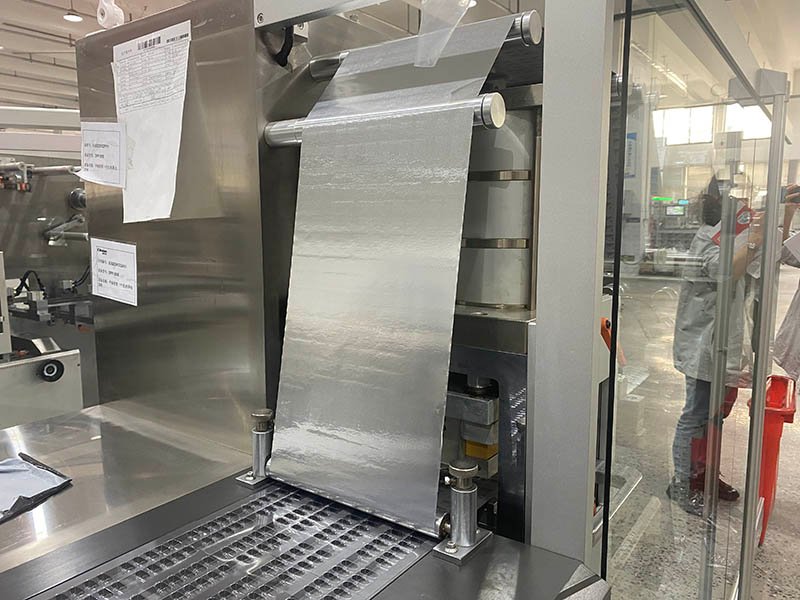
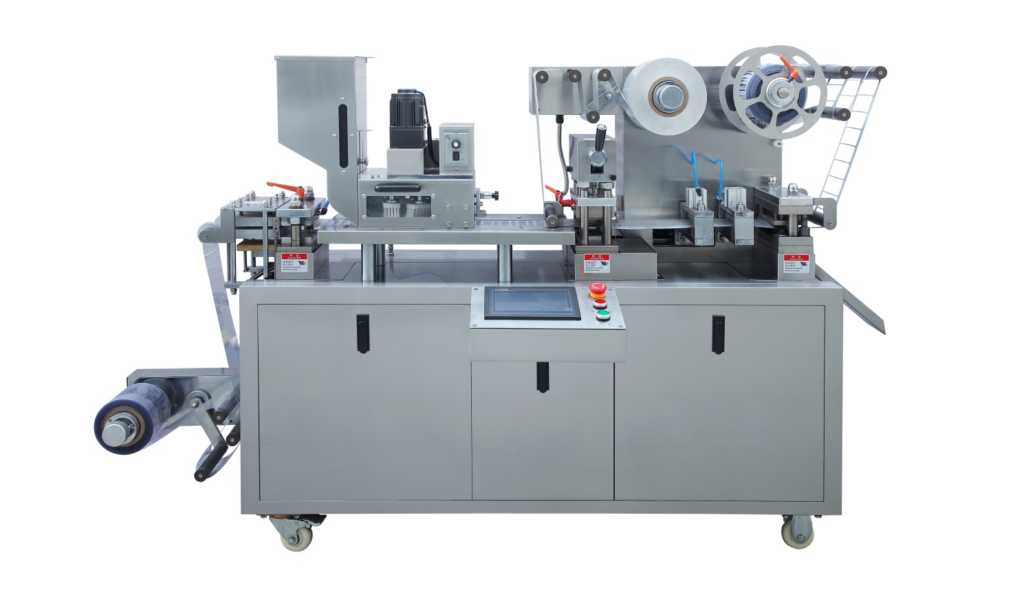
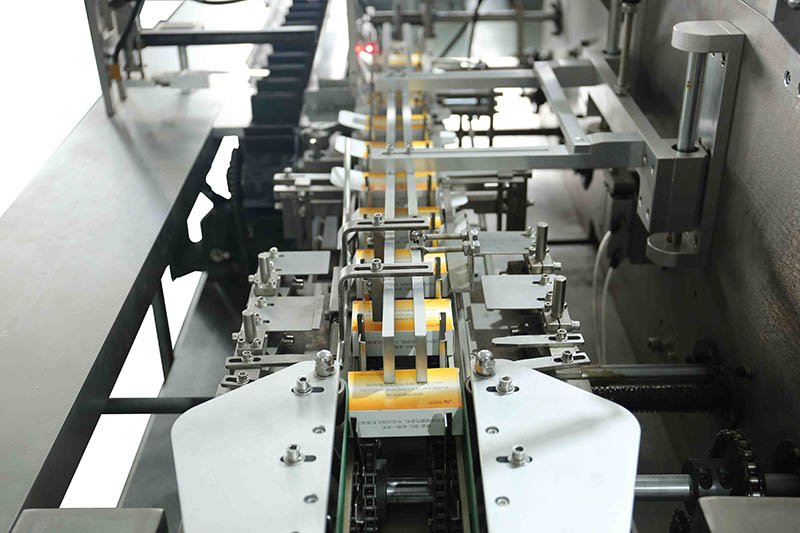
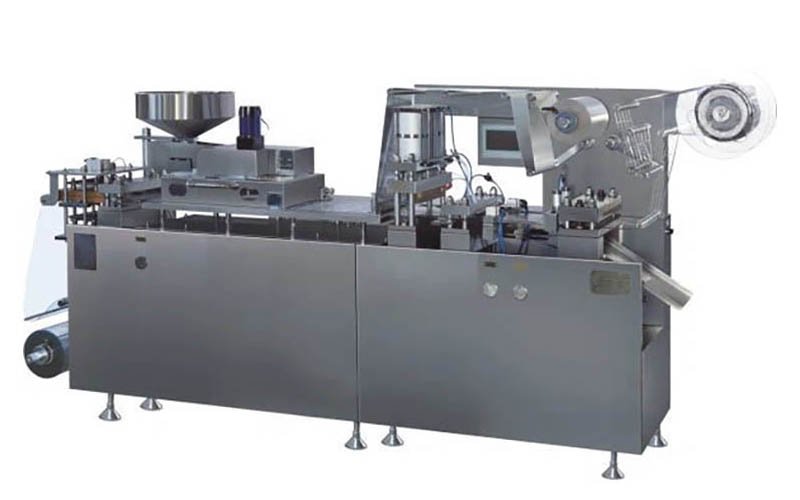
The selection tables are practical purchasing prompts. The output arithmetic and Offer A/Offer B comparison are clearly labeled fictional examples, not customer results, machine specifications or market averages. Equipment photographs illustrate configurations and functions; the approved proposal and project evidence define what is supplied.
Discuss a configuration for your syringe and pack
Share the finished assembly, pack concept and required accepted output with HIJ. Include the scope you want to evaluate and the questions still open, so the discussion can identify the proposed equipment and the next evidence needed.
Discuss my syringe blister machine selection →